
Maximize Serenity and Style in Your Tiny Balcony Haven with Minimalist Design

Living in urban areas often means limited outdoor space. Balconies, when available, offer a breath of fresh air where one can create a sanctuary of calm amidst the city bustle. Minimalism, with its focus on simplicity, functionality, and negative space, is a design philosophy that can help transform even the smallest balcony into a serene and stylish retreat.
Creating a minimalist balcony garden involves embracing negative space by minimizing clutter and choosing essential furniture. Neutral colors and textures add to the sense of serenity, while vertical gardening techniques maximize space. Thoughtful plant selection and mindful accessories complete the minimalist look, resulting in a balcony garden that is both aesthetically pleasing and relaxing.
1. Embrace Negative Space
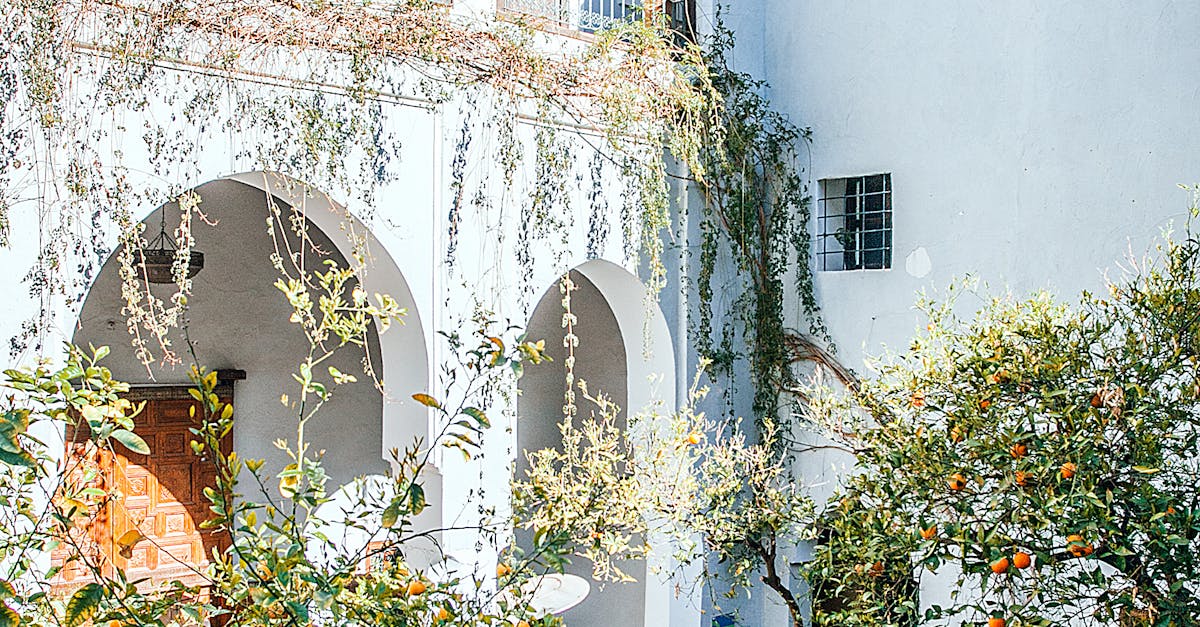
Negative space, also known as white space, is an essential design element that contributes to the overall balance and harmony of a space. In interior design, negative space refers to the areas around and between objects, such as the empty space on a wall, the distance between furniture pieces, and the space above a table. By incorporating negative space into your balcony garden design, you can create a sense of spaciousness, serenity, and calm.
Embracing negative space in a balcony garden involves decluttering and minimizing unnecessary items. This means removing any objects that do not serve a functional or aesthetic purpose. For example, instead of having multiple small planters scattered around the balcony, opt for a few larger planters that can accommodate multiple plants. Instead of using bulky furniture, choose compact pieces that are proportionate to the size of the balcony. By creating more negative space, you allow the remaining elements of your garden to breathe and become more visually impactful.
In addition to decluttering, you can also create negative space by using neutral colors and textures. Light-colored walls and flooring help to create a sense of spaciousness, while natural materials such as wood and stone add warmth and texture without overwhelming the space. By incorporating negative space into your balcony garden design, you can create a serene and inviting outdoor oasis that promotes relaxation and well-being.
Minimize Clutter
Clutter can be defined as any unnecessary items that accumulate in a space and create a sense of disorder and chaos. In a balcony garden, clutter can take the form of unused pots, empty planters, broken tools, and other miscellaneous items. Minimizing clutter is essential for creating a more spacious and calming sanctuary.
Decluttering a balcony garden involves removing any items that are not essential to the functionality and beauty of the space. This means getting rid of anything that is broken, unused, or simply does not bring you joy. Be ruthless in your decluttering efforts, and do not hesitate to discard or donate anything that you do not need. By reducing the amount of clutter in your balcony garden, you will create a more open and inviting space that is conducive to relaxation and enjoyment.
In addition to removing unnecessary items, you can also minimize clutter by organizing the remaining items in a neat and tidy manner. Use shelves, hooks, and other storage solutions to keep your belongings off the floor and out of sight. By keeping your balcony garden organized, you will create a more spacious and calming environment that is both visually appealing and functional.
Choose Essential Furniture
When choosing furniture for your minimalist balcony garden, it is important to opt for pieces that are both functional and compact. This will help to maximize space and create a sense of openness and tranquility. Avoid bulky or ornate furniture, and instead choose pieces that are simple, clean-lined, and made from natural materials such as wood, metal, or stone.
One essential piece of furniture for any balcony garden is a seating area. This could be a small bistro set, a couple of chairs and a table, or even just a cozy bench. When choosing seating, opt for pieces that are comfortable and proportionate to the size of your balcony. You may also want to consider multifunctional furniture, such as a bench with built-in storage or a table that can be used for both dining and working.
In addition to seating, you may also want to add a few other pieces of furniture to your balcony garden, such as a small side table, a plant stand, or a storage cabinet. Again, when choosing furniture, opt for pieces that are functional, compact, and made from natural materials. By carefully selecting your furniture, you can create a minimalist balcony garden that is both stylish and inviting.
2. Neutral Colors and Textures

Neutral colors are a great choice for creating a minimalist balcony garden that exudes serenity. They create a sense of calm and tranquility, and they can help to make a small space feel larger. When choosing neutral colors for your balcony garden, opt for shades that are inspired by nature, such as white, beige, gray, and green. These colors will help to create a cohesive and inviting space that is perfect for relaxation.
In addition to neutral colors, you can also incorporate natural textures into your balcony garden design. Natural textures, such as wood, stone, and jute, add warmth and depth to a space. They can also help to create a connection between your balcony garden and the natural world. When choosing natural textures, opt for pieces that are simple and understated. Avoid using too many different textures, as this can create a cluttered and busy look.
By incorporating neutral colors and textures into your balcony garden design, you can create a space that is both stylish and relaxing. Neutral colors and textures will help to create a sense of calm and tranquility, and they will make your balcony garden feel like a true oasis.
Subtle Hues and Shades
Subtle hues and shades are a great way to create a calming and cohesive look in your minimalist balcony garden. These colors are easy on the eyes, and they can help to create a sense of peace and tranquility. When choosing subtle hues and shades for your balcony garden, opt for colors that are inspired by nature, such as white, beige, gray, and green. These colors will help to create a natural and inviting space that is perfect for relaxation.
White is a classic color choice for a minimalist balcony garden. It is a versatile color that can be paired with any other color, and it helps to create a sense of openness and space. Beige is another great option for a minimalist balcony garden. It is a warm and inviting color that can help to create a cozy and comfortable space. Gray is a cool and sophisticated color that can help to create a sense of calm and tranquility. Green is a refreshing and revitalizing color that can help to bring the outdoors in. It is a great choice for a balcony garden that is located in an urban area.
By incorporating subtle hues and shades into your balcony garden design, you can create a space that is both stylish and relaxing. Subtle hues and shades will help to create a sense of calm and tranquility, and they will make your balcony garden feel like a true oasis.
Natural Materials
Natural materials are a great way to introduce warmth and texture into your minimalist balcony garden. They can help to create a connection between your balcony garden and the natural world, and they can also add a touch of rustic charm. When choosing natural materials for your balcony garden, opt for pieces that are simple and understated. Avoid using too many different materials, as this can create a cluttered and busy look.
Wood is a classic choice for a minimalist balcony garden. It is a versatile material that can be used to create a variety of different structures, such as planters, benches, and trellises. Stone is another great option for a minimalist balcony garden. It is a durable and weather-resistant material that can be used to create a variety of different features, such as pathways, fountains, and sculptures. Jute is a natural fiber that is often used to make rugs, baskets, and other home decor items. It is a strong and durable material that adds a touch of texture and warmth to any space.
By incorporating natural materials into your balcony garden design, you can create a space that is both stylish and inviting. Natural materials will help to create a connection between your balcony garden and the natural world, and they will make your balcony garden feel like a true oasis.
3. Vertical Gardening Techniques
Vertical gardening techniques are a great way to maximize space and create a dynamic vertical oasis in your minimalist balcony garden. By growing plants vertically, you can create a lush and beautiful garden without taking up too much floor space. There are a variety of different vertical gardening techniques that you can use, such as hanging planters, trellises, and wall-mounted planters.
Hanging planters are a great way to add a touch of greenery to your balcony garden without taking up any floor space. You can hang planters from the ceiling, from walls, or even from the railings of your balcony. Trellises are another great way to grow plants vertically. Trellises can be used to support climbing plants, such as ivy, morning glories, and clematis. Wall-mounted planters are a great option for small балконы. Wall-mounted planters can be used to grow a variety of different plants, including herbs, flowers, and vegetables.
By using vertical gardening techniques, you can create a beautiful and lush garden in even the smallest of spaces. Vertical gardening is a great way to add a touch of nature to your balcony and to enjoy the beauty of plants without taking up too much floor space.
Hang Planters
Trellises and Wall-Mounted Planters
Trellises and wall-mounted planters are a great way to create a living wall in your minimalist balcony garden. A living wall is a vertical garden that is attached to a wall. Living walls are a great way to add greenery to your balcony without taking up any floor space. They are also a great way to create a unique and eye-catching focal point.
You can create a living wall by attaching trellises or planters to walls. Trellises are a great option for supporting climbing plants, such as ivy, morning glories, and clematis. Wall-mounted planters are a great option for growing a variety of different plants, including herbs, flowers, and vegetables. When choosing trellises or wall-mounted planters for your living wall, opt for pieces that are made from durable materials, such as metal, plastic, or wood. You should also choose trellises or planters that have drainage holes to prevent the roots of your plants from rotting.
Living walls are a great way to add a touch of nature to your balcony garden and to enjoy the beauty of plants without taking up too much floor space. By using trellises or wall-mounted planters, you can create a lush and beautiful living wall that is both stylish and functional.
4. Simplicity in Plant Selection
Simplicity in plant selection is key to creating a minimalist balcony garden. A well-curated plant collection will help to create a cohesive and stylish look, and it will also make it easier to care for your plants. When choosing plants for your minimalist balcony garden, opt for a limited number of species that are well-suited to container gardening. You should also choose plants that have a variety of textures and colors to add visual interest to your garden.
One way to create a cohesive plant collection is to choose plants that have a similar color scheme. For example, you could choose plants with all-green foliage, or you could choose plants with a mix of green, white, and pink flowers. Another way to create a cohesive plant collection is to choose plants that have a similar growth habit. For example, you could choose plants that are all upright growers, or you could choose plants that are all trailing growers.
By carefully selecting your plants, you can create a minimalist balcony garden that is both beautiful and easy to care for. A well-curated plant collection will help you to create a serene and inviting space that you can enjoy for years to come.
Fewer Species, Bold Impact
When choosing plants for your minimalist balcony garden, it is best to focus on a few well-chosen species that thrive in container gardens. This will help to create a cohesive and stylish look, and it will also make it easier to care for your plants. Some good choices for container gardens include succulents, herbs, and flowering plants.
Succulents are a great choice for container gardens because they are low-maintenance and drought-tolerant. They come in a variety of shapes and sizes, so you can find the perfect succulent to fit your space. Herbs are another good choice for container gardens because they are easy to grow and can be used to add flavor to your cooking. Flowering plants can add a touch of color and beauty to your balcony garden. When choosing flowering plants for containers, opt for varieties that are compact and well-suited to small spaces.
By focusing on a few well-chosen species, you can create a minimalist balcony garden that is both beautiful and easy to care for. A well-curated plant collection will help you to create a serene and inviting space that you can enjoy for years to come.
Succulents and Ornamental Grasses
Succulents and ornamental grasses are both great choices for minimalist balcony gardens because they are low-maintenance and drought-tolerant. Succulents come in a variety of shapes and sizes, so you can find the perfect succulent to fit your space. They are also very forgiving plants, and they can tolerate a wide range of conditions. Ornamental grasses add a touch of texture and movement to your balcony garden. They are also very easy to care for, and they can tolerate a variety of conditions.
When choosing succulents and ornamental grasses for your balcony garden, opt for varieties that are compact and well-suited to small spaces. You should also choose plants that have a variety of textures and colors to add visual interest to your garden. By carefully selecting your plants, you can create a minimalist balcony garden that is both beautiful and easy to care for.
A well-curated plant collection will help you to create a serene and inviting space that you can enjoy for years to come. Succulents and ornamental grasses are a great way to add beauty and interest to your balcony garden without a lot of hassle.
5. Mindful Accessories
Mindful accessories can add a touch of personality to your minimalist balcony garden without overwhelming the space. When choosing accessories, opt for pieces that are simple, understated, and made from natural materials. Avoid using too many accessories, as this can create a cluttered and busy look.
One way to add a touch of style to your balcony garden is to use geometric shapes. Geometric shapes can be found in a variety of accessories, such as planters, sculptures, and wind chimes. By using geometric shapes, you can create a sense of order and balance in your garden. Another way to add a touch of personality to your balcony garden is to use thoughtful focal points. A focal point is an object that draws the eye and creates a sense of interest. A well-chosen focal point can help to create a cohesive and inviting space.
By carefully selecting your accessories, you can create a minimalist balcony garden that is both stylish and inviting. Mindful accessories can help you to add a touch of personality to your garden without overwhelming the space. By using geometric shapes and thoughtful focal points, you can create a garden that is both beautiful and serene.
Geometric Shapes
Geometric shapes can be used to add a touch of modern style to your minimalist balcony garden. Geometric shapes can be found in a variety of accessories, such as planters, sculptures, and wind chimes. By using geometric shapes, you can create a sense of order and balance in your garden.
One way to incorporate geometric shapes into your balcony garden is to use planters with geometric designs. Geometric planters can be found in a variety of materials, such as concrete, metal, and wood. You can also use geometric shapes to create a focal point in your garden. For example, you could place a large geometric sculpture in the center of your garden, or you could hang a geometric wind chime from the ceiling.
By using geometric shapes in your minimalist balcony garden, you can create a space that is both stylish and inviting. Geometric shapes can help to add a touch of personality to your garden without overwhelming the space.
Thoughtful Focal Points
Thoughtful focal points can be used to create a visual interest in your minimalist balcony garden. A focal point is an object that draws the eye and creates a sense of intrigue. A well-chosen focal point can help to create a cohesive and inviting space.
One way to create a focal point in your balcony garden is to use a water feature. Water features can be found in a variety of styles and sizes, so you can find the perfect water feature to fit your space. The sound of flowing water can also be very calming and relaxing, making it a great addition to any balcony garden.
Another way to create a focal point in your balcony garden is to use an eye-catching sculpture. Sculptures can be made from a variety of materials, such as metal, stone, and wood. When choosing a sculpture for your focal point, opt for a piece that is unique and interesting. A well-chosen sculpture can add a touch of personality to your garden and help to create a conversation starter.
By creating a thoughtful focal point in your minimalist balcony garden, you can create a space that is both stylish and inviting. A well-chosen focal point can help to draw the eye and create a sense of interest. By using a water feature or an eye-catching sculpture, you can create a focal point that is both beautiful and functional.
Quiz
Multiple Choice
- What is the main principle of minimalist design in a balcony garden?
(a) Incorporating as many plants as possible (b) Embracing negative space (c) Using bright and bold colors (d) Filling the space with various accessories
- What is a key benefit of using neutral colors and textures in a minimalist balcony garden?
(a) It creates a sense of spaciousness and serenity (b) It adds a pop of color and excitement (c) It makes the plants stand out more (d) It reflects more sunlight
True/False
-
Vertical gardening techniques can only be used on walls.
-
Succulents are generally high-maintenance plants.
-
Geometric shapes can add a touch of modern style to a minimalist balcony garden.
Answer Key
Multiple Choice
- (b)
- (a)
True/False
- False
- False
- True
Answer Key
Multiple Choice
- (b) Embracing negative space
- (a) It creates a sense of spaciousness and serenity
True/False
- False
- False
- True
Mirror Magic: Transforming Your Balcony Garden into an Illusion of Space Unlock the secrets of mirror tricks and transform your Read more
Transform Your Balcony into a Themed Oasis: A Comprehensive Guide to Tropical and Desert Gardens Balcony gardens offer a unique Read more
Discover the Art of DIY Decor: Transform Your Balcony Into a Flourishing Paradise [DIY Projects To Elevate Your Balcony Garden: Read more
Unveiling the Secrets to Balcony Privacy: A Guide to Creating Your Own Oasis Transform your balcony into a private sanctuary Read more