
The Ultimate Guide to Choosing and Caring for Low-Maintenance Plants for Your Balcony

If you’re a busy gardener with a balcony, choosing the right plants is essential. Low-maintenance plants are a great option for those who don’t have a lot of time to spend on their garden. They require minimal watering, fertilizing, and pruning, and they can tolerate a wide range of conditions.
In this article, we’ll provide you with a comprehensive guide to choosing and caring for low-maintenance plants for your balcony garden. We’ll cover everything from understanding the concept of low-maintenance plants to recommending specific plant species and providing tips for maintaining a thriving balcony garden.
Whether you’re a beginner gardener or you’re just looking for ways to make your balcony garden more manageable, this article has something for you.
1. Understanding the Concept of Low-Maintenance Plants
Low-maintenance plants are plants that require minimal care and attention. They are ideal for busy gardeners who don’t have a lot of time to spend on their garden. Low-maintenance plants typically have the following characteristics:
- They are drought-tolerant and can go for long periods of time without being watered.
- They are not heavy feeders and do not require frequent fertilizing.
- They are relatively pest- and disease-resistant.
- They have a slow growth habit and do not require frequent pruning.
There are many different types of low-maintenance plants that are suitable for balcony gardens. Some popular choices include succulents, flowering plants, and foliage plants. When selecting low-maintenance plants for your balcony garden, it is important to consider the following factors:
- The amount of sunlight your balcony receives.
- The size of your balcony.
- Your personal preferences.
Once you have considered these factors, you can start to choose the low-maintenance plants that are right for your balcony garden.
2. Recommended Plant Species for Busy Gardeners
Succulents
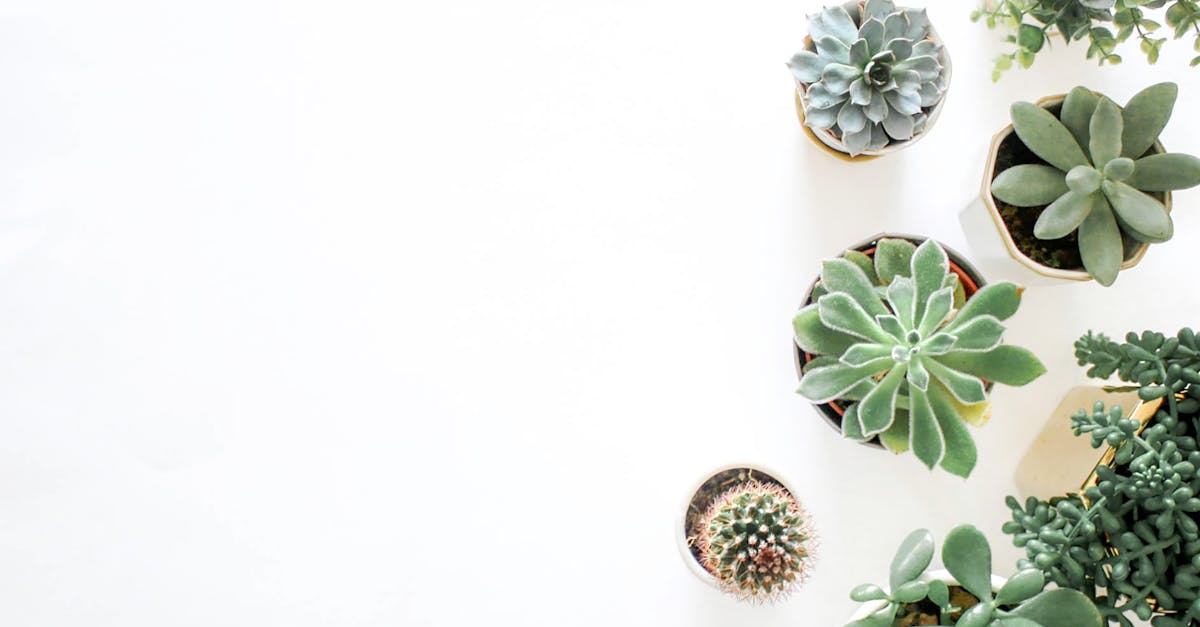
Succulents are a great choice for busy gardeners because they are very low-maintenance. They store water in their leaves and stems, so they can go for long periods of time without being watered. Succulents also come in a wide variety of shapes and sizes, so you can find one that fits your balcony garden perfectly.
Some popular succulent species for balcony gardens include:
- Aloe vera
- Echeveria
- Haworthia
- Sedum
- Sempervivum
Flowering Plants
Flowering plants can add a splash of color to your balcony garden. However, it is important to choose flowering plants that are relatively low-maintenance. Some good choices include:
- Geraniums
- Petunias
- Impatiens
- Begonias
- Marigolds
Foliage Plants
Foliage plants can add interest and texture to your balcony garden. They are also a good choice for busy gardeners because they do not require a lot of care. Some popular foliage plant species for balcony gardens include:
- Ferns
- Hostas
- Ivy
- Pothos
- Snake plants
3. Factors to Consider When Choosing Plants
When choosing plants for your balcony garden, it is important to consider the following factors:
- Sunlight requirements: Different plants have different sunlight requirements. Some plants, such as succulents, can tolerate full sun, while others, such as ferns, prefer shade. It is important to choose plants that are suited to the amount of sunlight your balcony receives.
- Water needs: Some plants, such as succulents, are drought-tolerant and can go for long periods of time without being watered. Others, such as ferns, require more frequent watering. It is important to choose plants that have water needs that are compatible with your lifestyle.
- Size considerations: The size of your balcony will also affect the type of plants you can choose. If you have a small balcony, you will need to choose plants that are relatively small. If you have a large balcony, you can choose larger plants or even a small tree.
In addition to these factors, you may also want to consider the following:
- Your personal preferences: Ultimately, the best plants for your balcony garden are the ones that you enjoy the most. So take some time to browse different plant catalogs and websites to find plants that you find attractive and interesting.
- The climate in your area: If you live in a cold climate, you will need to choose plants that are hardy in your USDA plant hardiness zone.
- The presence of pets or children: If you have pets or children, you will need to choose plants that are non-toxic.
Once you have considered all of these factors, you can start to choose the plants that are right for your balcony garden.
4. Tips for Maintaining a Thriving Balcony Garden
Watering schedules: The frequency with which you water your plants will depend on the type of plants you have, the climate you live in, and the size of your containers. A good rule of thumb is to water your plants when the top inch of soil is dry. You can also use a moisture meter to check the moisture level of the soil.
Fertilizing techniques: Fertilizing your plants regularly will help them to grow healthy and strong. You can use a liquid fertilizer or a slow-release fertilizer. If you are using a liquid fertilizer, be sure to follow the instructions on the package. If you are using a slow-release fertilizer, you can apply it to the soil once a month.
Pest management: Pests can be a problem for balcony gardeners, but there are a number of things you can do to prevent and control them. Some tips for pest management include:
- Inspect your plants regularly for pests.
- Remove any pests that you find by hand.
- Use insecticidal soap or neem oil to control pests.
- Keep your balcony clean and free of debris.
By following these tips, you can help to maintain a thriving balcony garden all season long.
5. Additional Resources for Balcony Gardening
Online resources:
Books:
- 阳台花园 The Complete Guide to Balcony Gardening
- 阳台花园 Balcony Gardening: The Ultimate Guide to Growing Food and Flowers in Small Spaces
- 阳台花园 Gardening on a Balcony: A Practical Guide to Growing Plants in Small Spaces
Videos:
- 阳台花园 How to Create a Balcony Garden
- 阳台花园 Balcony Gardening for Beginners
- 阳台花园 Balcony Gardening Tips and Tricks
Quiz
Multiple choice:
- Which of the following is NOT a benefit of choosing low-maintenance plants for a balcony garden?
(a) They require less watering. (b) They are more resistant to pests and diseases. (c) They need to be fertilized more frequently. (d) They can tolerate a wide range of conditions.
- Which type of plant is NOT suitable for a balcony garden that receives full sun?
(a) Succulents (b) Flowering plants (c) Ferns (d) Foliage plants
- How often should you water your balcony plants?
(a) Every day (b) Once a week (c) When the top inch of soil is dry (d) Only when the plants are wilting
True/false:
- All succulents are drought-tolerant.
- You should only use a liquid fertilizer on your balcony plants.
- It is important to keep your balcony clean and free of debris to prevent pests.
Answer key:
Multiple choice:
- (c)
- (c)
- (c)
True/false:
- True
- False
- True
Answer key:
Multiple choice:
- (c)
- (c)
- (c)
True/false:
- True
- False
- True
Balcony Habitats: A Lifeline for Urban Wildlife As urban sprawl encroaches on natural habitats, balconies can become refuges for wildlife. Read more
Discover the Secret to Transforming Your Shaded Balcony into a Lush Oasis Shaded balconies can be a challenge for plant Read more
The Ultimate Guide to Bringing the Wonder of Nature to Your Balcony: Small Trees for a Thriving Container Garden With Read more
Fruitful Endeavors: A Guide to Selecting Fruit Plants for Small Balconies If you are excited about the prospect of harvesting Read more