
Discover the Secrets of Balcony Privacy: A Botanical Guide to Climbing Plants
Transform Your Balcony into a Private Oasis: The Ultimate Guide to Climbing Plants for Privacy
Enhance the tranquility and seclusion of your balcony with the verdant beauty of climbing plants. This comprehensive guide will empower you to select the ideal climbers for your space, ensuring a natural and effective privacy screen that will transform your balcony into a serene and inviting haven.
From the lush foliage of ivy to the vibrant blooms of clematis and jasmine, discover the top-performing climbing plants that will provide exceptional privacy coverage. Learn essential planting and care techniques to nurture these botanical wonders, maximizing their growth and longevity. Embrace the transformative power of climbing plants and elevate your balcony into a private sanctuary where you can relax, unwind, and immerse yourself in the beauty of nature.
1. Benefits of Climbing Plants for Balcony Privacy
Embrace the transformative power of climbing plants and unlock a world of privacy and aesthetic enhancement for your balcony. Verdant climbers offer a myriad of benefits, creating a natural and effective screen that shields you from prying eyes and unsightly views, while adding a touch of botanical beauty to your outdoor space.
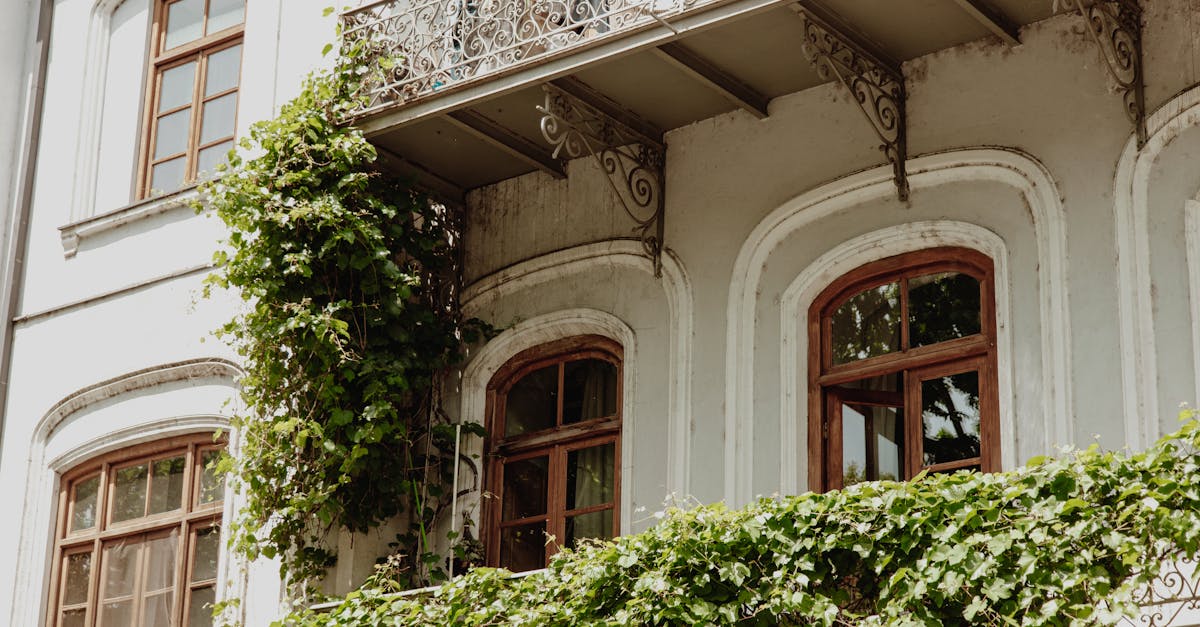
Climbing plants, with their innate ability to cling to structures, can be strategically placed to create a living privacy screen, transforming your balcony into a secluded sanctuary. Their dense foliage acts as a natural barrier, effectively blocking unwanted views and providing a sense of seclusion. Whether you seek to conceal a neighboring building, unsightly rooftops, or simply create a more intimate atmosphere, climbing plants are the perfect solution.
Moreover, climbing plants are not merely functional; they are also aesthetically pleasing, adding a touch of greenery and vibrancy to your balcony. Their diverse forms, textures, and colors create a captivating visual display that complements any décor. From the cascading tendrils of ivy to the vibrant blooms of clematis, climbing plants offer a wide range of options to suit your personal style and preferences.
2. Choosing the Right Climbing Plants for Your Balcony
Selecting the right climbing plants for your balcony is crucial to ensure their health, longevity, and effectiveness as a privacy screen. Several key factors need to be considered to make informed choices:
Sunlight conditions play a vital role in determining which climbing plants will thrive on your balcony. Observe the amount of sunlight your balcony receives throughout the day and choose plants that are adapted to those conditions. Some climbers, like jasmine and passionflower, prefer full sun, while others, such as ivy and clematis, can tolerate partial shade.
The size of your balcony also influences the choice of climbing plants. If you have a small balcony, opt for compact climbers that won’t overwhelm the space. Consider vertical trellises or hanging baskets to maximize vertical growth. For larger balconies, you can choose more vigorous climbers that can cover a wider area.
Consider the desired growth rate of the plants. Fast-growing climbers, such as passionflower and honeysuckle, can quickly provide coverage, but they may require more maintenance and pruning. Slower-growing climbers, like ivy and clematis, take more time to establish but require less frequent attention.
3. The Most Effective Climbing Plants for Balcony Privacy
Transform your balcony into a private haven with these top-performing climbing plants, renowned for their exceptional privacy coverage:
-
Ivy: A classic choice for balcony privacy, ivy is a versatile and low-maintenance climber. Its dense foliage can quickly cover walls, trellises, or balconies, creating an effective natural screen. Ivy is adaptable to various sunlight conditions and can tolerate neglect, making it an ideal choice for beginner gardeners.
-
Clematis: Known for its stunning blooms, clematis is a beautiful and effective privacy climber. It produces a profusion of flowers in a range of colors, adding a touch of elegance to your balcony. Clematis prefers well-drained soil and moderate sunlight to thrive.
-
Jasmine: With its fragrant blooms and evergreen foliage, jasmine is a delightful choice for balcony privacy. Its sweet scent fills the air, creating a relaxing and inviting atmosphere. Jasmine prefers full sun to partial shade and requires regular watering to maintain its lush growth.
Ivy
Ivy, a quintessential climbing plant, is highly valued for its versatility and low-maintenance nature. Its dense foliage, composed of small, glossy leaves, effectively covers walls, trellises, and balconies, creating a lush and private screen. Ivy’s adaptability to various sunlight conditions makes it a suitable choice for balconies with varying degrees of sun exposure.
The tendrils of ivy possess a remarkable ability to cling to surfaces, allowing the plant to grow vertically without the need for extensive support. This characteristic makes ivy an excellent option for covering unsightly walls or creating a living privacy screen on a balcony. Its low-maintenance nature is another advantage, as ivy can tolerate occasional neglect and does not require frequent pruning or watering.
With its hardiness and ability to thrive in diverse conditions, ivy is an ideal choice for beginner gardeners and those seeking a hassle-free way to enhance their balcony’s privacy. Its dense foliage not only provides visual screening but also helps reduce noise and dust, creating a more serene and comfortable outdoor space.
Clematis
Clematis: Known for its Beautiful Blooms, Clematis Attracts Pollinators and Creates a Colorful Privacy Screen.
Clematis is a beautiful flowering climbing plant that can add a touch of color and fragrance to your balcony. It produces large, showy flowers in a variety of colors, including purple, pink, white, and blue. Clematis prefers partial shade to full sun and requires regular watering and fertilizing.
One of the main advantages of clematis is its ability to attract pollinators, such as bees and butterflies. This makes clematis a great choice for balconies that are visited by pollinators. Clematis can also help to create a colorful and fragrant privacy screen on your balcony.
Clematis is a relatively easy plant to grow, but it does require some regular care. Clematis needs to be watered regularly, especially during hot and dry weather. It also needs to be fertilized monthly during the growing season. With proper care, clematis can thrive on your balcony for many years.
Jasmine
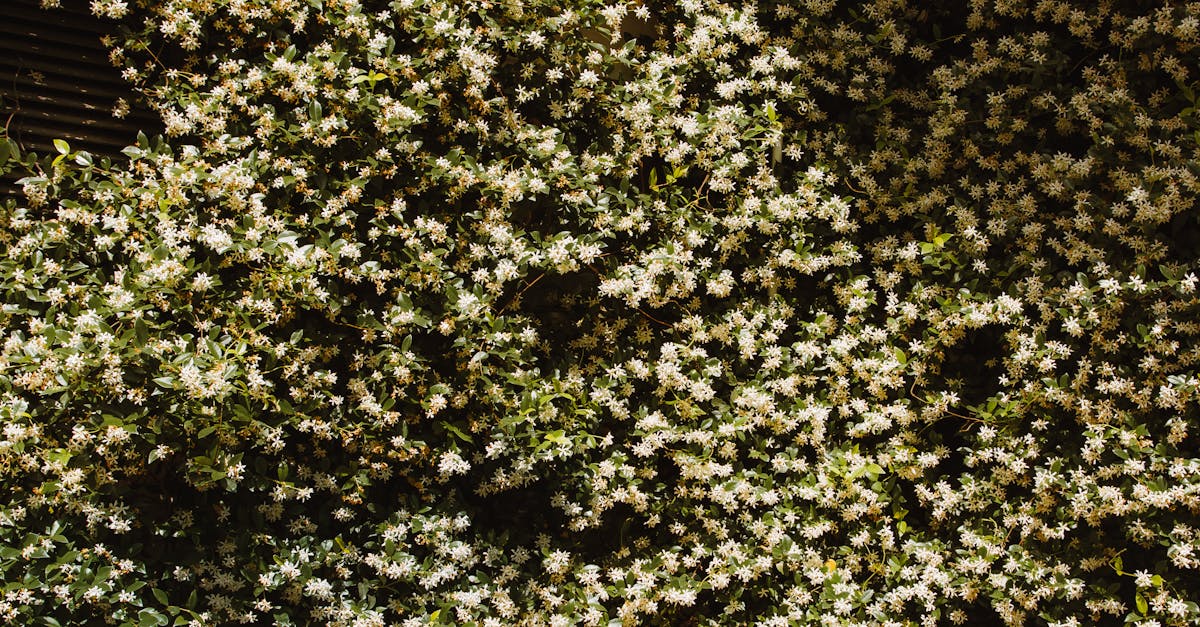
Indulge your senses with the enchanting jasmine, a fragrant and evergreen climber that transforms balconies into private and aromatic havens. Its delicate, star-shaped flowers, often white or yellow in color, release a sweet and captivating scent that permeates the air, creating a relaxing and inviting atmosphere. Beyond its aesthetic charm, jasmine is also an effective privacy screen, with its dense foliage providing ample coverage.
Jasmine is a vigorous climber, with some varieties reaching heights of over 10 feet. Its twining stems can be trained to grow up trellises, walls, or other structures, forming a lush and impenetrable barrier. The plant’s foliage, composed of glossy, compound leaves, adds to the coverage and helps reduce noise and dust.
While jasmine prefers well-drained soil and moderate sunlight, it can tolerate a range of conditions and is relatively low-maintenance. Regular watering and occasional pruning are recommended to maintain its health and encourage abundant flowering. With its delightful fragrance, privacy-enhancing capabilities, and ease of care, jasmine is an exceptional choice for balcony gardeners seeking a touch of beauty, tranquility, and natural elegance.
Honeysuckle
Welcome the sweet allure of honeysuckle to your balcony garden, a captivating climber renowned for its attractive flowers and intoxicating fragrance. Honeysuckle’s trumpet-shaped blooms, often in shades of white, pink, or yellow, add a touch of vibrant color and delicate beauty to any outdoor space. Beyond its visual appeal, honeysuckle also releases a sweet and heady scent that attracts pollinators, such as hummingbirds and butterflies, creating a lively and enchanting atmosphere.
Honeysuckle is a vigorous climber, with some varieties reaching heights of over 20 feet. Its twining stems can be trained to grow up trellises, walls, or other structures, forming a dense and effective privacy screen. The plant’s foliage, composed of oval-shaped leaves, provides additional coverage and helps reduce noise and dust.
While honeysuckle prefers well-drained soil and full sun to partial shade, it can tolerate a range of conditions and is relatively low-maintenance. Regular watering and occasional pruning are recommended to maintain its health and encourage abundant flowering. With its attractive flowers, sweet scent, and ability to create a private and inviting outdoor space, honeysuckle is a top choice for balcony gardeners seeking a touch of beauty, fragrance, and natural elegance.
Passionflower
Discover the captivating beauty and rapid growth of passionflower, a unique climbing plant that adds a touch of the exotic to balcony gardens. Its showy flowers, often in shades of purple, pink, or white, are adorned with intricate and mesmerizing patterns that resemble miniature works of art. Beyond its ornamental value, passionflower is also a fast-growing climber, with some varieties reaching heights of over 30 feet in a single season. Its vigorous growth habit and dense foliage make it an excellent choice for creating a private and visually stunning screen.
Passionflower’s tendrils readily cling to trellises, walls, or other structures, allowing it to climb vertically and cover large areas quickly. The plant’s foliage, composed of deeply lobed leaves, provides additional coverage and helps reduce noise and dust. Passionflower prefers well-drained soil and full sun to partial shade, but it can tolerate a range of conditions.
While passionflower is relatively low-maintenance, regular watering and occasional pruning are recommended to maintain its health and encourage abundant flowering. With its unique and showy flowers, fast growth rate, and ability to create a dense and private screen, passionflower is an exceptional choice for balcony gardeners seeking a touch of beauty, drama, and natural elegance.
4. Planting and Care for Balcony Climbing Plants
Ensure the health and longevity of your balcony climbing plants by following these essential planting and care tips:
-
Planting: Choose a suitable container with drainage holes and fill it with well-drained potting mix. Dig a hole twice the width of the plant’s root ball and place the plant in the hole, ensuring the top of the root ball is level with the soil surface. Backfill the hole with soil and gently firm it around the plant. Water thoroughly after planting.
-
Watering: Water your climbing plants regularly, especially during hot and dry weather. Allow the soil to dry out slightly between waterings to prevent overwatering. Avoid getting the foliage wet, as this can promote disease.
-
Fertilizing: Fertilize your climbing plants monthly during the growing season with a balanced liquid fertilizer. Follow the instructions on the fertilizer label for proper dilution and application.
Planting
When planting climbing plants on your balcony, careful selection of soil, containers, and location is crucial for their health and success:
-
Soil: Choose a well-draining potting mix specifically formulated for container gardening. Avoid using garden soil, as it can become compacted and waterlogged in containers.
-
Containers: Select containers with drainage holes to prevent waterlogging. The size of the container should be appropriate to the size of the plant and its root system. Consider using self-watering containers to ensure consistent moisture levels.
-
Location: Choose a location on your balcony that provides the right amount of sunlight for the specific climbing plant you have chosen. Some climbers, like jasmine, prefer full sun, while others, like clematis, prefer partial shade.
Watering
Regular watering is essential for the health and growth of your balcony climbing plants. Follow these guidelines:
-
Frequency: Water your plants thoroughly during the growing season, especially during hot and dry weather. Allow the top inch or two of soil to dry out slightly between waterings to prevent overwatering. In cooler months, reduce watering frequency.
-
Amount: The amount of water you give your plants will vary depending on the size of the plant, the container size, and the weather conditions. A good rule of thumb is to water until water begins to drain from the drainage holes in the bottom of the container.
-
Method: Water your plants slowly and deeply, allowing the water to penetrate the root zone. Avoid getting the foliage wet, as this can promote disease.
Fertilizing
Fertilizing your balcony climbing plants regularly during the growing season is essential for promoting healthy growth and abundant flowering:
-
Frequency: Fertilize your plants monthly during the growing season, using a balanced liquid fertilizer diluted to half strength.
-
Method: Apply the fertilizer to the soil around the base of the plant, avoiding the foliage. Water the plant thoroughly after fertilizing.
-
Type: Choose a fertilizer that is specifically formulated for climbing plants or flowering plants. These fertilizers will contain the right balance of nutrients to support the growth and flowering of your plants.
Supporting
Providing support for your balcony climbing plants is crucial to guide their growth, maximize their privacy screening effectiveness, and enhance their overall health:
-
Structures: Choose the right support structures for your climbing plants, such as trellises, lattices, or obelisks. These structures should be sturdy enough to support the weight of the plants as they grow.
-
Placement: Position the support structures securely in the containers or on the balcony railings. Ensure that the structures are tall enough to provide adequate support for the plants’ desired height.
-
Training: Train the climbing plants to grow along the support structures by gently tying or weaving their stems. This will encourage the plants to grow vertically and create a dense screen.
5. Additional Tips for Balcony Privacy with Climbing Plants
Unlock the full privacy-enhancing potential of climbing plants on your balcony with these additional tips and creative ideas:
-
Mix and match: Combine different types of climbing plants with varying growth habits and foliage textures to create a visually appealing and effective privacy screen. This diversity will add depth and interest to your balcony garden.
-
Maximize vertical space: Train your climbing plants to grow upwards and cover as much vertical space as possible. This will create a more effective privacy barrier and make the most of your limited balcony space.
-
Use greenery as an accent: Incorporate climbing plants into your balcony décor to add a touch of greenery and enhance the overall aesthetics. Place potted climbing plants on tables or hang them from hooks to create a welcoming and private ambiance.
Combine Plants
Elevate the privacy and visual appeal of your balcony by combining different climbing plants. This creative approach offers numerous benefits:
-
Visual interest: Mixing climbing plants with varying growth habits and foliage textures creates a dynamic and visually engaging privacy screen. The contrasting colors, shapes, and textures add depth and character to your balcony garden.
-
Enhanced privacy: By combining climbers with different growth patterns, you can create a more effective and comprehensive privacy barrier. Some plants can grow densely, covering large areas, while others can reach higher, providing additional coverage.
-
Year-round interest: Choose a mix of evergreen and deciduous climbing plants to ensure year-round privacy and visual interest. Evergreen climbers will provide a lush screen throughout the year, while deciduous climbers will add seasonal color and texture.
Maximize Vertical Space
Maximize the privacy and space-saving benefits of climbing plants by training them to grow vertically. This strategic approach offers several advantages:
-
Increased privacy: By encouraging climbing plants to grow upwards, you can create a taller and denser privacy screen. This is especially useful on balconies with limited horizontal space.
-
Space optimization: Training climbing plants vertically allows you to make the most of your balcony’s vertical space. This is particularly beneficial for smaller balconies where every square foot is valuable.
-
Visual impact: A vertical arrangement of climbing plants can create a stunning and dramatic visual effect. The lush greenery and cascading foliage can transform your balcony into a private and inviting oasis.
Use Greenery as an Accent
Incorporate climbing plants into your balcony décor to enhance the overall aesthetics and create a welcoming ambiance. This versatile approach offers several benefits:
-
Aesthetic appeal: Climbing plants can add a touch of natural beauty and color to your balcony. Their lush foliage and delicate blooms can complement your existing décor and create a more inviting atmosphere.
-
Vertical gardening: Climbing plants can be used as vertical gardening elements, adding greenery to balconies that may have limited horizontal space. This is a great way to maximize space and create a lush and visually appealing environment.
-
Focal point: Climbing plants can serve as focal points on your balcony. By placing them in strategic locations, you can draw attention to specific areas and create a more dynamic and interesting space.
Quiz
1. Which of the following is NOT an advantage of using climbing plants for balcony privacy?
(a) Creating a natural screen (b) Blocking unsightly views (c) Increasing noise levels (d) Enhancing aesthetics
2. True or False: Ivy is a high-maintenance climbing plant that requires frequent pruning and watering.
(a) True (b) False
3. Which type of climbing plant is known for its beautiful blooms and ability to attract pollinators?
(a) Jasmine (b) Honeysuckle (c) Clematis (d) Passionflower
4. What is an important factor to consider when choosing climbing plants for your balcony?
(a) Sunlight conditions (b) Balcony size (c) Desired growth rate (d) All of the above
5. Which technique can be used to maximize the privacy-enhancing potential of climbing plants?
(a) Combining plants with different growth habits (b) Training plants to grow vertically (c) Using greenery as an accent (d) All of the above
Answer Key
- (c)
- (b)
- (c)
- (d)
- (d)
Balcony Habitats: A Lifeline for Urban Wildlife As urban sprawl encroaches on natural habitats, balconies can become refuges for wildlife. Read more
The Ultimate Guide to Choosing and Caring for Low-Maintenance Plants for Your Balcony If you're a busy gardener with a Read more
Discover the Secret to Transforming Your Shaded Balcony into a Lush Oasis Shaded balconies can be a challenge for plant Read more
The Ultimate Guide to Bringing the Wonder of Nature to Your Balcony: Small Trees for a Thriving Container Garden With Read more