
Transforming Your Balcony into a Pollinator Haven

Gardens brimming with vibrant life, where the air buzzes with the harmonious hum of pollinators, their delicate wings fluttering from bloom to bloom – this is the essence of a balcony oasis for these vital creatures. Whether your balcony is a modest urban haven or a sprawling green haven, you can transform it into a pollinator paradise with the right container plants.
Welcoming pollinators to your balcony is not just a whimsical notion; it’s an act of profound importance. Pollinators form the cornerstone of our ecosystem, diligently shuttling pollen from flower to flower, ensuring the very lifeline of our plant kingdom. Without their tireless efforts, our world would be a far less verdant and fruitful place.
Harnessing your balcony’s potential as a pollinator sanctuary offers a wealth of benefits. Not only will you be contributing to the preservation of these invaluable creatures, but you’ll also be rewarded with a breathtaking display of vibrant flowers, a symphony of colors and fragrances that will transform your balcony into a captivating outdoor haven.
1. Understanding Pollinator Importance
Pollinators, the unsung heroes of our natural world, play an indispensable role in maintaining the delicate balance of our ecosystem. These dedicated ecosystem engineers tirelessly flit from flower to flower, carrying the vital pollen grains that allow plants to reproduce. Without their diligent efforts, the very foundation of our food chain would crumble, and our planet would be a far less vibrant and fruitful place.
While all pollinators are essential, bees, butterflies, and other insects are particularly crucial. They pollinate over 90% of the world’s flowering plants, including many of the fruits, vegetables, and nuts that we rely on for sustenance. These tiny creatures are responsible for ensuring the reproduction of wildflowers, supporting countless animal species that depend on these blooms for food and shelter.
Attracting pollinators to your balcony is not just a whimsical notion; it’s an act of profound ecological importance. By providing them with a welcoming habitat, you’re not only beautifying your own space but also contributing to the preservation of these invaluable creatures. Moreover, observing the intricate dance of pollinators as they go about their essential work is a captivating and educational experience, offering a glimpse into the wonders of the natural world right at your doorstep.
2. Essential Factors for Pollinator-Friendly Container Plants

Creating a pollinator-friendly haven on your balcony requires careful consideration of the essential factors that will attract and support these vital creatures. Among the most important elements to consider are sunlight, water requirements, and plant height.
Sunlight: Pollinator-friendly plants thrive in ample sunlight, as it provides the energy they need to fly and forage. Aim for plants that require at least 6 hours of direct sunlight per day. If your balcony receives less sunlight, consider choosing plants that can tolerate partial shade, such as impatiens, begonias, or ferns.
Water requirements: Pollinators need access to water to regulate their body temperature and hydrate themselves. Ensure that your container plants have well-draining soil and water them regularly, especially during hot and dry weather. However, avoid overwatering, as soggy soil can lead to root rot.
Plant height: The height of your container plants will impact the accessibility of nectar and pollen for pollinators. A variety of plant heights is beneficial, as it allows pollinators of different sizes and flight patterns to access your blooms. Taller plants, such as sunflowers or lavender, can provide a visual beacon for pollinators, while shorter plants, such as thyme or creeping jenny, can create a welcoming groundcover.
By carefully considering these essential factors, you can create a thriving pollinator-friendly environment on your balcony, providing these invaluable creatures with the resources they need to flourish.
3. Top Container Plants for Attracting Pollinators
Transforming your balcony into a pollinator paradise is as simple as selecting the right container plants. Here’s a curated list of some of the most beloved blooms that are guaranteed to attract a symphony of bees, butterflies, and other pollinators to your urban oasis:
Lavender: With its captivating purple blooms and heady fragrance, lavender is a magnet for pollinators of all kinds. Its nectar is particularly rich in nutrients, making it an irresistible treat for these hardworking creatures.
Rosemary: This aromatic herb not only adds a touch of culinary delight to your balcony but also serves as a pollinator haven. Its vibrant blue flowers are a beacon for bees and butterflies, who adore its sweet nectar and pollen.
Sunflowers: These cheerful giants are a must-have for any pollinator garden. Their sunny yellow blooms are a feast for pollinators, offering an abundance of both nectar and pollen. Sunflowers also have the added benefit of attracting birds, adding another layer of biodiversity to your balcony ecosystem.
Other pollinator-friendly container plants to consider:
- Cosmos: These cheerful daisy-like flowers come in a range of vibrant hues and are adored by butterflies and bees alike.
- Coneflower: With its striking purple blooms and long blooming period, coneflower is a valuable addition to any pollinator garden.
- Zinnia: These easy-to-grow flowers are available in a wide variety of colors and shapes, providing a continuous source of nectar and pollen for pollinators throughout the growing season.
By incorporating these pollinator-friendly plants into your balcony garden, you’ll create a vibrant and welcoming habitat for these essential creatures, while simultaneously beautifying your outdoor space with a kaleidoscope of colors and fragrances.
4. Creating a Balcony Oasis for Pollinators
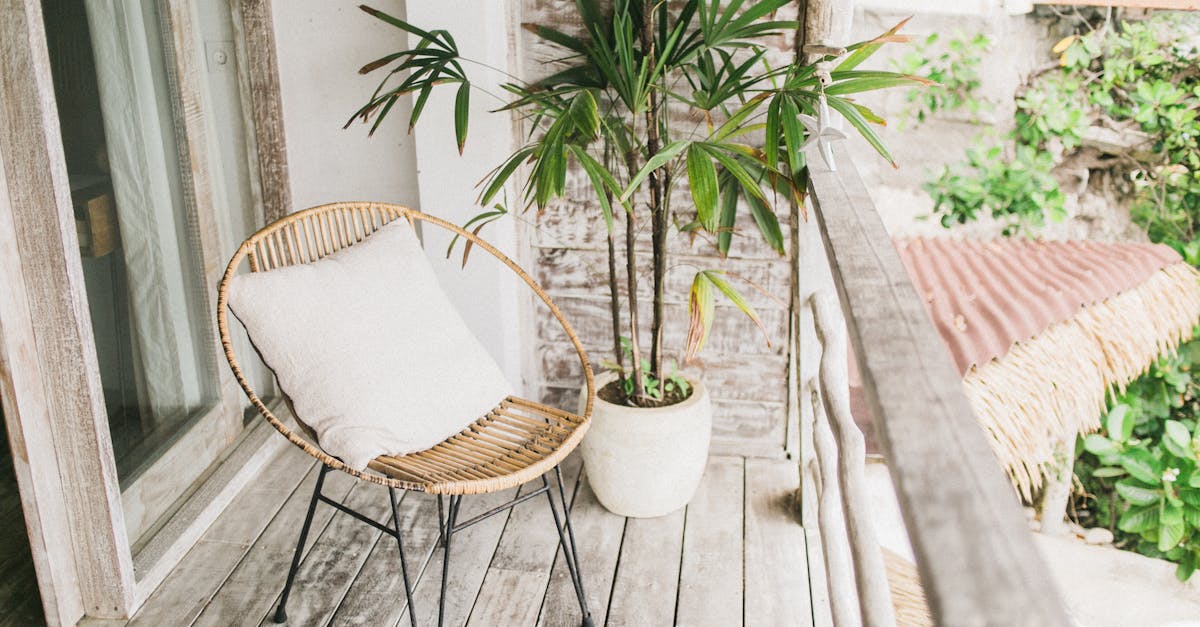
Transforming your balcony into a pollinator oasis requires careful consideration of plant arrangement to maximize their attractiveness to these vital creatures. Here are some expert tips to guide you:
Create clusters: Pollinators are more likely to visit areas with a concentration of blooms, so group your container plants together in clusters rather than scattering them around your balcony. This creates a more visible and inviting target for pollinators, increasing the likelihood that they’ll stop by for a visit.
Vary heights: Incorporating plants of varying heights adds visual interest to your balcony garden while also accommodating pollinators of different sizes and flight patterns. Taller plants, such as sunflowers or lavender, serve as visual beacons, while shorter plants, such as thyme or creeping jenny, create a welcoming groundcover that attracts ground-dwelling pollinators like bees and beetles.
Provide a water source: Pollinators need access to water to regulate their body temperature and hydrate themselves. Consider placing a shallow dish filled with water and pebbles in your balcony garden. The pebbles will provide a landing spot for pollinators, preventing them from drowning.
Additional tips for creating a pollinator-friendly balcony oasis:
- Choose a variety of plant species with different bloom times to ensure a continuous source of nectar and pollen throughout the growing season.
- Avoid using pesticides and herbicides, as these chemicals can be harmful to pollinators.
- Consider planting native species, as they are typically well-adapted to your local climate and provide sustenance for native pollinators.
By following these tips, you can create a thriving pollinator-friendly haven on your balcony, providing these essential creatures with the resources they need to flourish and bringing a touch of nature’s magic to your urban oasis.
5. Additional Tips for Supporting Balcony Pollinators
Creating a welcoming habitat for pollinators on your balcony extends beyond planting the right flowers. Here are a few additional tips to provide these essential creatures with the support they need to thrive:
Provide a water source: Pollinators need access to water to regulate their body temperature and hydrate themselves. Placing a shallow dish filled with water and pebbles in your balcony garden provides a safe and convenient water source for these hardworking creatures. The pebbles will give them a landing spot to prevent them from drowning.
Avoid pesticides and herbicides: Pesticides and herbicides can be extremely harmful to pollinators, so it’s crucial to avoid using them on your balcony garden. Opt for natural pest control methods instead, such as companion planting, beneficial insects, or organic pesticides derived from plant-based materials.
Consider planting native species: Native plants are well-adapted to your local climate and provide a valuable source of nectar and pollen for native pollinators. They also support the local ecosystem by providing food and shelter for other wildlife. When selecting plants for your balcony garden, consider incorporating some native species to enhance the biodiversity and ecological value of your urban oasis.
By implementing these additional tips, you can create a truly supportive environment for pollinators on your balcony, ensuring that these vital creatures have everything they need to flourish. Remember, every little effort makes a difference in supporting the delicate balance of our ecosystem.
Quiz: Test Your Pollinator-Friendly Balcony Gardening Knowledge
1. Which of the following is NOT an essential factor to consider when choosing pollinator-friendly container plants?
(a) Sunlight (b) Water requirements (c) Soil pH (d) Plant height
2. True or False: Pollinators prefer plants that are arranged in scattered, isolated locations.
3. Which of the following is a benefit of providing a water source for pollinators on your balcony?
(a) Regulates their body temperature (b) Prevents them from drowning (c) Attracts more pollinators (d) All of the above
4. Why is it important to avoid using pesticides and herbicides in your pollinator-friendly balcony garden?
(a) They can harm pollinators (b) They can contaminate the water source (c) They can damage the plants (d) Both (a) and (c)
5. True or False: Native plant species are not suitable for pollinator gardens on balconies.
Answer Key:
- (c) Soil pH
- False
- (d) All of the above
- (d) Both (a) and (c)
- False
Balcony Habitats: A Lifeline for Urban Wildlife As urban sprawl encroaches on natural habitats, balconies can become refuges for wildlife. Read more
The Ultimate Guide to Choosing and Caring for Low-Maintenance Plants for Your Balcony If you're a busy gardener with a Read more
Discover the Secret to Transforming Your Shaded Balcony into a Lush Oasis Shaded balconies can be a challenge for plant Read more
The Ultimate Guide to Bringing the Wonder of Nature to Your Balcony: Small Trees for a Thriving Container Garden With Read more