
Essential Tools to Kick-Start Your Balcony Oasis

Balcony gardening is a great way to bring nature into your home, even if you don’t have a lot of space. With a few essential tools, you can create a thriving garden that will provide you with fresh produce, beautiful flowers, and a sense of peace.
The most important tool for any balcony gardener is a good set of containers. Containers come in all shapes and sizes, so you can choose ones that fit your space and style. Just be sure to choose containers with drainage holes to prevent the roots of your plants from rotting.
Another essential tool is good soil. Soil provides nutrients and support for your plants, so it’s important to choose the right type of soil for your plants. There are many different types of soil available, so be sure to do some research to find the best one for your needs.
Finally, you’ll need some basic gardening tools to help you care for your plants. A hand trowel is essential for digging, planting, and transplanting. Pruning shears are used to trim dead or overgrown leaves, stems, and flowers. Gloves will protect your hands from dirt and thorns.
1. Essential Tool 1: Containers
Containers are an essential tool for any balcony gardener. They provide a home for your plants and come in a variety of shapes, sizes, and materials. When choosing containers, it is important to consider the following factors:
1. Material
Containers can be made from a variety of materials, including plastic, terracotta, wood, and fabric. Each material has its own advantages and disadvantages.
- Plastic containers are lightweight and durable, and they are available in a wide range of colors and styles. However, plastic containers can be more prone to cracking and fading than other materials.
- Terracotta containers are made from clay, and they are porous, which allows air and water to circulate around the roots of your plants. However, terracotta containers are heavy and can be easily broken.
- Wood containers are durable and stylish, but they can be more expensive than other materials. Wood containers also need to be treated with a sealant to protect them from rot and decay.
- Fabric containers are lightweight and portable, and they are a good option for gardeners who want to grow plants in a vertical space. However, fabric containers can dry out quickly, so they need to be watered more frequently than other types of containers.
2. Size
The size of the container you choose will depend on the type of plant you are growing. Small containers are suitable for herbs and other small plants, while larger containers are needed for vegetables and flowers. It is important to choose a container that is large enough to accommodate the root system of your plant.
3. Drainage
Containers must have drainage holes to allow excess water to drain out. Without drainage holes, water can build up in the container and drown the roots of your plants.
Once you have considered these factors, you can choose the right containers for your balcony garden. With the right containers, you can create a beautiful and thriving garden that will provide you with fresh produce, beautiful flowers, and a sense of peace.
Choosing the Right Material
When choosing containers for your balcony garden, it is important to consider the material they are made from. The most common container materials are plastic, terracotta, wood, and fabric. Each material has its own advantages and disadvantages.
Plastic containers are lightweight and durable, and they are available in a wide range of colors and styles. Plastic containers are also relatively inexpensive, which makes them a good option for budget-minded gardeners. However, plastic containers can be more prone to cracking and fading than other materials. They can also leach chemicals into the soil, which can be harmful to plants.
Terracotta containers are made from clay, and they are porous, which allows air and water to circulate around the roots of your plants. Terracotta containers are also relatively heavy, which can make them difficult to move. They are also more expensive than plastic containers. However, terracotta containers are durable and can last for many years.
Wood containers are durable and stylish, but they can be more expensive than other materials. Wood containers also need to be treated with a sealant to protect them from rot and decay. Untreated wood can also leach chemicals into the soil.
Fabric containers are lightweight and portable, and they are a good option for gardeners who want to grow plants in a vertical space. Fabric containers are also relatively inexpensive. However, fabric containers can dry out quickly, so they need to be watered more frequently than other types of containers. They are also not as durable as other materials and may need to be replaced more often.
Ultimately, the best material for your balcony garden containers will depend on your individual needs and preferences. Consider the factors discussed above to make the best choice for your garden.
Size and Drainage
When choosing containers for your balcony garden, it is important to select ones that are the right size and have adequate drainage holes.
The size of the container you choose will depend on the type of plant you are growing. Small containers are suitable for herbs and other small plants, while larger containers are needed for vegetables and flowers. It is important to choose a container that is large enough to accommodate the root system of your plant. If the container is too small, the roots will become cramped and the plant will not be able to grow properly.
Drainage holes are essential for preventing water from building up in the container and drowning the roots of your plants. Without drainage holes, excess water can also lead to root rot. Make sure that the containers you choose have several drainage holes in the bottom.
Here are some tips for choosing the right size and drainage for your balcony garden containers:
- For small plants, such as herbs and flowers, choose containers that are at least 6 inches in diameter and have at least one drainage hole.
- For larger plants, such as vegetables and shrubs, choose containers that are at least 12 inches in diameter and have several drainage holes.
- If you are unsure about the size of container you need for a particular plant, consult with a gardening expert at your local nursery or garden center.
By following these tips, you can choose the right containers for your balcony garden and help your plants thrive.
2. Essential Tool 2: Soil
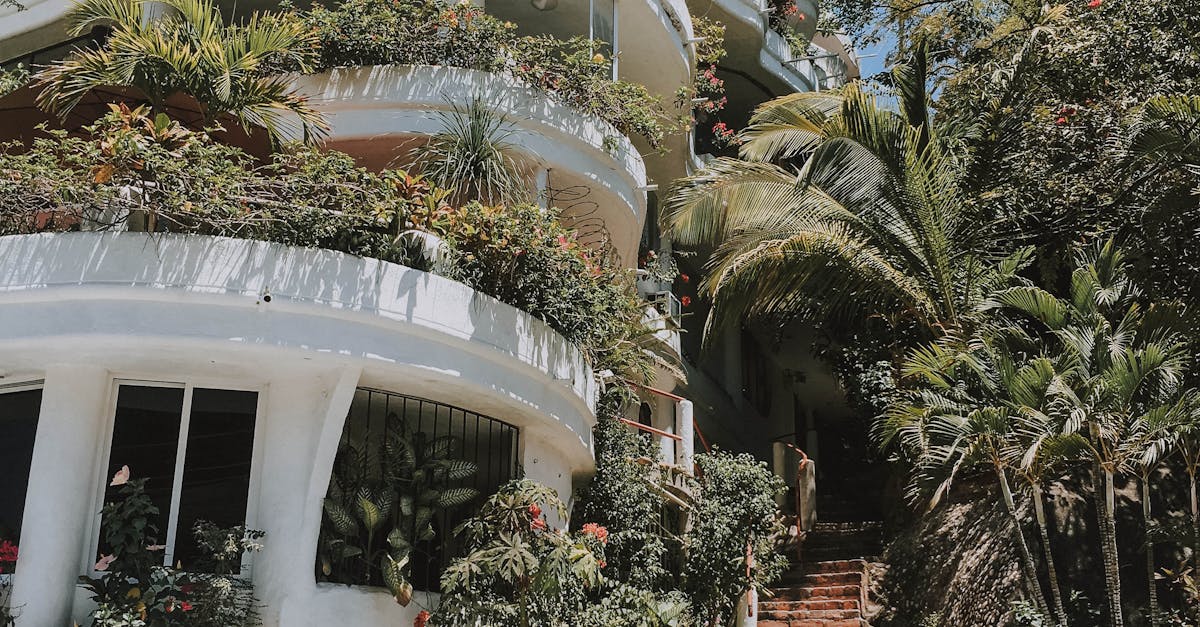
Soil is an essential component of any balcony garden. It provides nutrients and support for your plants, and it helps to regulate water and temperature. When choosing soil for your balcony garden, it is important to select a type that is well-draining and rich in organic matter.
There are many different types of soil available, so it is important to do some research to find the best one for your needs. Some of the most common types of soil for balcony gardens include:
- Potting mix is a general-purpose soil that is suitable for most plants. It is made from a combination of peat moss, compost, and perlite or vermiculite.
- Raised bed mix is a type of soil that is specifically designed for raised bed gardens. It is made from a combination of compost, peat moss, and other organic materials.
- Cactus/succulent mix is a type of soil that is designed for cacti and succulents. It is made from a combination of sand, gravel, and organic matter.
Once you have chosen a type of soil, it is important to prepare it before planting. This involves mixing in compost or other organic matter to improve drainage and fertility. You may also need to add lime to the soil if it is too acidic.
Once the soil is prepared, you can begin planting your plants. Be sure to plant them at the correct depth and spacing. After planting, water the plants deeply and regularly to help them establish a strong root system.
Types of Soil
Different types of plants require different soil types. This is because different plants have different nutrient needs and preferences for drainage and aeration.
Potting mix is a general-purpose soil that is suitable for most plants. It is made from a combination of peat moss, compost, and perlite or vermiculite. Potting mix is well-draining and has a good amount of organic matter, which helps to retain moisture and nutrients.
Raised bed mix is a type of soil that is specifically designed for raised bed gardens. It is made from a combination of compost, peat moss, and other organic materials. Raised bed mix is well-drained and has a high nutrient content, which makes it ideal for growing vegetables and flowers.
Cactus/succulent mix is a type of soil that is designed for cacti and succulents. It is made from a combination of sand, gravel, and organic matter. Cactus/succulent mix is well-draining and has a low nutrient content, which is ideal for these types of plants.
When choosing a soil type for your balcony garden, it is important to consider the type of plants you are growing. If you are growing a variety of plants, you may want to use a general-purpose potting mix. If you are growing vegetables or flowers, you may want to use a raised bed mix. And if you are growing cacti or succulents, you will need to use a cactus/succulent mix.
By choosing the right soil type for your plants, you can help them thrive and produce abundant blooms and harvests.
Fertilizers
Fertilizers are an important part of any balcony garden. They enrich the soil with nutrients that are essential for plant growth. Without fertilizer, plants will not be able to reach their full potential and may even become stunted or diseased.
There are many different types of fertilizers available, so it is important to choose one that is right for your plants. Some of the most common types of fertilizers include:
- Organic fertilizers are made from natural materials, such as compost, manure, and bone meal. Organic fertilizers release nutrients slowly over time, which is beneficial for plants.
- Inorganic fertilizers are made from synthetic materials. Inorganic fertilizers release nutrients quickly, which can be beneficial for plants that need a boost of nutrients.
- Liquid fertilizers are dissolved in water and applied to the soil or foliage. Liquid fertilizers are easy to apply and can be quickly absorbed by plants.
- Granular fertilizers are applied to the soil and release nutrients slowly over time. Granular fertilizers are less likely to burn plants than liquid fertilizers.
When choosing a fertilizer, it is important to consider the type of plants you are growing, the stage of growth, and the nutrient needs of your soil. You should also follow the instructions on the fertilizer package carefully to avoid over-fertilizing your plants.
Fertilizing your balcony garden regularly will help your plants grow healthy and strong. Fertilizers provide plants with the nutrients they need to produce abundant blooms and harvests.
3. Essential Tool 3: Watering Equipment
Regular watering is crucial for plant health. Plants need water to survive and to grow properly. Without water, plants will wilt, turn brown, and eventually die.
The amount of water that your plants need will vary depending on the type of plant, the size of the plant, the temperature, and the humidity. As a general rule, you should water your plants when the soil feels dry to the touch.
There are many different ways to water your plants. Some of the most common methods include:
- Hand watering is the most basic method of watering plants. It involves using a watering can or a hose to water the plants at the base. Hand watering is a good option for small gardens or for plants that need special care.
- Watering cans are a convenient way to water plants. They come in a variety of sizes and shapes, so you can choose one that is the right size for your needs. Watering cans are also easy to use, simply fill them up with water and pour it over the plants.
- Hoses are a good option for watering larger gardens or for plants that are difficult to reach. Hoses can be attached to a faucet or to a spigot. When using a hose, be sure to use a nozzle to control the flow of water.
- Self-watering systems are a good option for people who are away from home frequently or who do not have time to water their plants regularly. Self-watering systems use a reservoir of water to water the plants automatically.
No matter which method you choose, it is important to water your plants regularly and deeply. Deep watering encourages the roots of the plants to grow deep into the soil, which makes them more drought-tolerant.
By following these tips, you can help your balcony garden thrive.
Manual Watering vs. Self-Watering Systems
When it comes to watering your balcony garden, you have two main options: manual watering or self-watering systems. Manual watering involves using a watering can or a hose to water your plants by hand. Self-watering systems, on the other hand, use a reservoir of water to water your plants automatically.
Manual watering is a good option for small gardens or for plants that need special care. It is also a more budget-friendly option than self-watering systems. However, manual watering can be time-consuming, especially if you have a large garden.
Self-watering systems are a good option for people who are away from home frequently or who do not have time to water their plants regularly. Self-watering systems can also be beneficial for plants that need consistent moisture, such as tomatoes and cucumbers. However, self-watering systems can be more expensive than manual watering, and they may not be suitable for all types of plants.
When choosing between manual watering and self-watering systems, it is important to consider your needs and budget. If you have a small garden and are willing to water your plants by hand, then manual watering is a good option. If you have a large garden or are away from home frequently, then a self-watering system may be a better choice.
Here is a table that summarizes the pros and cons of manual watering and self-watering systems:
| Watering Method | Pros | Cons | |—|—|—| | Manual watering | Budget-friendly, allows for more control over watering | Time-consuming, can be difficult to water large gardens | | Self-watering systems | Convenient, provides consistent moisture | More expensive, may not be suitable for all types of plants |
Ultimately, the best way to water your balcony garden is the way that works best for you and your plants.
Water Quality
The quality of the water you use to water your plants is important. Chlorine and other chemicals in tap water can damage plants, especially young plants and seedlings. Rainwater is the best choice for watering plants, as it is free of chlorine and other harmful chemicals. However, if you do not have access to rainwater, you can use filtered tap water.
To filter tap water, you can use a water filter pitcher or a reverse osmosis system. Water filter pitchers are less expensive than reverse osmosis systems, but they do not remove as many contaminants. Reverse osmosis systems are more expensive, but they remove a wider range of contaminants, including chlorine.
If you are using tap water to water your plants, be sure to let it sit out for 24 hours before using it. This will allow the chlorine to evaporate. You can also boil tap water for 5 minutes to remove chlorine.
Here are some tips for watering your plants with rainwater or filtered tap water:
- Water your plants at the base of the plant, avoiding the leaves.
- Water your plants deeply and regularly, especially during hot weather.
- Do not overwater your plants, as this can lead to root rot.
- If you are using rainwater, be sure to collect it from a clean source.
By following these tips, you can help your balcony garden thrive.
4. Essential Tool 4: Sun Exposure Assessment Tools
Plants need sunlight to thrive, but too much sunlight can be harmful. Too much sunlight can cause leaves to burn, wilt, and even die. It can also slow down plant growth and reduce yields.
To avoid these problems, it is important to assess the amount of sunlight that your balcony garden receives. You can do this using a light meter or a smartphone app.
Light meters are devices that measure the intensity of light in lux or foot-candles. Light meters are relatively inexpensive and easy to use. Simply hold the light meter near the plants you are interested in measuring and it will give you a reading.
Smartphone apps are another option for measuring light intensity. There are many different light meter apps available, so you can choose one that is right for your needs. Once you have installed a light meter app on your smartphone, simply open the app and hold your phone near the plants you are interested in measuring. The app will give you a reading in lux or foot-candles.
Once you have assessed the amount of sunlight that your balcony garden receives, you can take steps to protect your plants from too much sun. This may involve moving your plants to a shadier location, or providing them with shade using a shade cloth or umbrella.
Here are some tips for assessing the sun exposure of your balcony garden:
- Observe the sun’s movement over several days to determine the areas that receive the most and least sunlight.
- Use a light meter or smartphone app to measure the light intensity in different areas of your balcony.
- Consider the type of plants you are growing and their sunlight requirements.
- Take steps to protect your plants from too much sun, such as moving them to a shadier location or providing them with shade.
By following these tips, you can help your balcony garden thrive.
Light Meters and Apps
Light meters and smartphone apps are two tools that can be used to measure light intensity in lux or foot-candles. Light meters are dedicated devices that are specifically designed for measuring light intensity, while smartphone apps are software applications that can be installed on a smartphone.
Light meters are relatively inexpensive and easy to use. They typically have a sensor that is used to measure light intensity, and a display that shows the reading in lux or foot-candles. Some light meters also have additional features, such as the ability to measure temperature and humidity.
Smartphone apps are another option for measuring light intensity. There are many different light meter apps available, so you can choose one that is right for your needs. Once you have installed a light meter app on your smartphone, simply open the app and hold your phone near the light source you are interested in measuring. The app will give you a reading in lux or foot-candles.
Both light meters and smartphone apps can be used to measure the light intensity in your balcony garden. This information can be helpful for determining the amount of sunlight that your plants are receiving, and for making decisions about how to protect your plants from too much or too little sun.
Here are some tips for using light meters and smartphone apps to measure light intensity:
- Hold the light meter or smartphone app near the light source you are interested in measuring.
- Make sure that the sensor is not blocked by anything.
- Take multiple readings in different areas of your balcony garden to get a good average.
- Compare the readings to the sunlight requirements of the plants you are growing.
By following these tips, you can use light meters and smartphone apps to help your balcony garden thrive.
Observing Sun Patterns
Observing the sun’s movement over several days is a great way to determine the optimal placement for your plants. By observing the sun’s path, you can identify the areas of your balcony that receive the most and least sunlight. This information can be helpful for making decisions about where to place your plants, and for protecting them from too much or too little sun.
To observe the sun’s movement, simply spend some time outside on your balcony at different times of the day. Pay attention to where the sun is in the sky, and how the light changes throughout the day. You may also want to take note of the time of day when the sun is at its highest point in the sky.
Once you have observed the sun’s movement, you can start to think about where to place your plants. Plants that need full sun should be placed in areas that receive the most sunlight. Plants that need partial shade can be placed in areas that receive some sun, but also some shade. And plants that need full shade should be placed in areas that receive very little sunlight.
In addition to observing the sun’s movement, you should also consider the following factors when choosing a location for your plants:
- The size of the plant
- The type of plant
- The direction of the balcony
- The amount of wind and rain that the balcony receives
By considering all of these factors, you can choose the best possible location for your plants and help them thrive.
Here are some tips for observing the sun’s movement on your balcony:
- Spend some time outside on your balcony at different times of the day.
- Pay attention to where the sun is in the sky, and how the light changes throughout the day.
- Take note of the time of day when the sun is at its highest point in the sky.
- Observe the sun’s movement over several days to get a good understanding of how the light changes throughout the day.
By following these tips, you can make the most of the sunlight on your balcony and help your plants thrive.
5. Essential Tool 5: Basic Gardening Tools
A few simple gardening tools will assist you in various gardening tasks, making it easier to care for your plants and keep your balcony garden looking its best. Some of the most essential gardening tools include:
Hand trowel
A hand trowel is a small, handheld tool with a blade that is used for digging, planting, and transplanting. Hand trowels are also useful for weeding and loosening soil.
Pruning shears
Pruning shears are used to trim and shape plants. They can be used to remove dead or overgrown leaves, stems, and flowers. Pruning shears are also useful for shaping hedges and topiaries.
Gloves
Gardening gloves protect your hands from dirt, thorns, and other hazards. They are also helpful for keeping your hands clean when working with plants.
In addition to these essential tools, there are a number of other gardening tools that can be helpful, depending on your specific needs. Some of the most common gardening tools include:
- Watering can or hose
- Rake
- Hoe
- Shovel
- Wheelbarrow
- Compost bin
With the right tools, you can make gardening on your balcony a breeze. You’ll be able to easily care for your plants and keep your garden looking its best.
Hand Trowel
A hand trowel is a small, handheld tool with a blade that is used for digging, planting, and transplanting. It is one of the most essential gardening tools, and can be used for a variety of tasks in the balcony garden.
The blade of a hand trowel is typically made of metal, and is designed to be sharp enough to cut through soil, but not so sharp that it damages plant roots. The handle of a hand trowel is usually made of wood or plastic, and is designed to be comfortable to hold.
Hand trowels come in a variety of sizes and shapes, so you can choose one that is the right size for your needs. Small hand trowels are ideal for working in small spaces, such as when planting seeds or transplanting seedlings. Large hand trowels are better for digging larger holes, such as when planting shrubs or trees.
To use a hand trowel, simply insert the blade into the soil and twist it to create a hole. You can then use the trowel to scoop up soil, plant seeds or seedlings, or transplant plants.
Here are some tips for using a hand trowel:
- Choose the right size trowel for the task at hand.
- Insert the blade of the trowel into the soil at a 45-degree angle.
- Twist the trowel to create a hole.
- Use the trowel to scoop up soil, plant seeds or seedlings, or transplant plants.
With a little practice, you’ll be able to use a hand trowel to quickly and easily perform a variety of gardening tasks.
Pruning Shears
Pruning shears are a type of gardening tool that is used to trim and shape plants. They are used to remove dead or overgrown leaves, stems, and flowers, and can also be used to shape hedges and topiaries. Pruning shears come in a variety of sizes and shapes, so you can choose a pair that is the right size for your needs.
Pruning shears typically have two blades that are made of metal. The blades are sharp and are designed to cut through branches and stems without crushing them. The handles of pruning shears are usually made of plastic or metal, and are designed to be comfortable to hold.
To use pruning shears, simply hold the shears in one hand and the branch or stem that you want to cut in the other hand. Position the blades of the shears around the branch or stem, and squeeze the handles to cut.
Here are some tips for using pruning shears:
- Choose the right size pruning shears for the task at hand.
- Hold the shears in one hand and the branch or stem that you want to cut in the other hand.
- Position the blades of the shears around the branch or stem.
- Squeeze the handles to cut.
With a little practice, you’ll be able to use pruning shears to quickly and easily trim and shape your plants.
Gloves
Gardening gloves are an essential piece of gardening equipment that can protect your hands from a variety of hazards, including soil, thorns, and other sharp objects. They can also help to keep your hands clean and dry.
Gardening gloves come in a variety of materials, including leather, rubber, and fabric. Leather gloves are the most durable and offer the best protection, but they can be more expensive than other types of gloves. Rubber gloves are waterproof and can be used for wet or dirty tasks. Fabric gloves are lightweight and breathable, but they offer less protection than leather or rubber gloves.
When choosing a pair of gardening gloves, it is important to consider the type of gardening you will be doing and the level of protection you need. If you are working with thorny plants or other sharp objects, you will need a pair of gloves that offer good puncture resistance. If you are working with wet or dirty materials, you will need a pair of gloves that are waterproof and can be easily cleaned.
Here are some tips for using gardening gloves:
- Choose the right size gloves. Gloves that are too small will be uncomfortable and restrict your movement. Gloves that are too large will be floppy and may not provide adequate protection.
- Put on your gloves before you start gardening. This will help to protect your hands from the start.
- Keep your gloves clean. Dirty gloves can harbor bacteria and other contaminants. Wash your gloves regularly with soap and water.
- Replace your gloves when they become worn or damaged. Worn or damaged gloves will not provide adequate protection.
By following these tips, you can help to protect your hands while you enjoy gardening.
Quiz: Test Your Balcony Gardening Knowledge
- What is the most important factor to consider when choosing containers for your balcony garden?
(a) Material (b) Size (c) Drainage (d) All of the above
-
True or False: Plastic containers are the most durable type of container for balcony gardening.
-
What type of soil is best for growing vegetables and flowers in balcony gardens?
(a) Potting mix (b) Raised bed mix (c) Cactus/succulent mix (d) Any type of soil will do
-
True or False: Fertilizers are only necessary for plants that are struggling to grow.
-
Which of the following is NOT a method for watering plants in a balcony garden?
(a) Hand watering (b) Watering cans (c) Hoses (d) Sprinklers
-
True or False: It is important to assess the amount of sunlight that your balcony garden receives before planting.
-
What type of gardening tool is used for digging, planting, and transplanting?
(a) Hand trowel (b) Pruning shears (c) Gloves (d) Watering can
-
True or False: Gardening gloves are only necessary when working with thorny plants.
-
What is the purpose of pruning shears in balcony gardening?
(a) To remove dead or overgrown leaves, stems, and flowers (b) To shape hedges and topiaries (c) To cut branches and stems (d) All of the above
-
True or False: It is important to keep your gardening gloves clean to prevent the spread of bacteria.
-
(d)
-
False
-
(b)
-
False
-
(d)
-
True
-
(a)
-
False
-
(d)
-
True
Give Your Balcony Garden a Fresh Start: Updating Your Plant Arrangement for a Vibrant Outdoor Space Living in an urban Read more
A Comprehensive Guide to Selecting the Perfect Containers for Your Balcony Oasis Container gardening is an excellent way to bring Read more
Balcony Orchards: Growing Fruit Trees in Your Urban Oasis Growing a mini fruit tree on your balcony is an increasingly Read more
Unlocking the Potential of Your Balcony: A Weighty Consideration for Gardeners Assessing Balcony Weight Capacity for Gardening: A Comprehensive Guide Read more