
Creating a Thriving Oasis: A Guide to Establishing a Balcony Garden
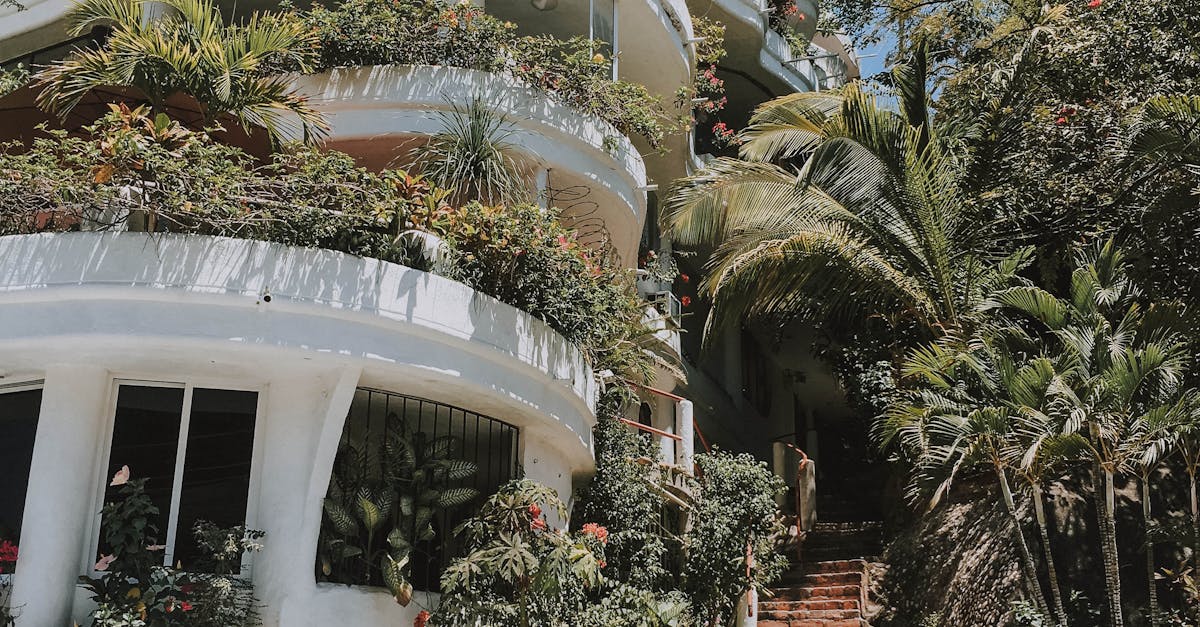
Transforming a small balcony into a vibrant green space is a rewarding endeavor, offering a touch of nature amidst urban living. Embarking on this journey requires careful planning and preparation to create an environment that fosters thriving plants. This article will guide you through the essential steps of setting up a successful balcony garden, transforming your modest outdoor space into an oasis of greenery and beauty.
Before delving into the practicalities of gardening, it’s crucial to assess your balcony’s unique conditions. Evaluate the amount of sunlight it receives, measure its size and weight capacity, and consider any potential wind exposure. These factors will influence the choice of plants and containers, ensuring the best possible growing environment.
Selecting suitable plants for a small balcony garden is essential. Compact, vertical, and low-maintenance varieties are ideal, making the most of limited space. Herbs, leafy greens, and dwarf fruit trees can thrive in containers, offering a variety of culinary and aesthetic benefits. Research different plant species to find those best suited to your balcony’s conditions and your personal preferences.
1. Plan and Prepare Your Small Balcony Garden
Planning and preparing your small balcony garden is essential for its success. Here are some key steps to consider:
Assess Balcony Space and Conditions:
Before selecting plants and containers, evaluate your balcony’s unique conditions. Determine the amount of sunlight it receives throughout the day, as this will influence the types of plants you can grow. Measure the size of your balcony and consider its weight capacity, especially if you plan on having larger plants or heavy containers. Additionally, assess the exposure to wind and privacy concerns.
Choosing Suitable Plants for Small Spaces:
When selecting plants for your balcony garden, opt for compact, vertical, and low-maintenance varieties. Herbs, leafy greens, and dwarf fruit trees are excellent choices for small spaces. Consider plants that can grow vertically, such as trellises or hanging baskets, to maximize space. Also, choose plants that are well-suited to container gardening and have good resistance to pests and diseases.
Assessing Balcony Space and Conditions
Assessing your balcony space and conditions is crucial for planning a successful balcony garden. Here’s a closer look at key factors to consider:
Sunlight Exposure: Sunlight is essential for plant growth, so determine the amount of sunlight your balcony receives throughout the day. Observe the sun’s path and note the duration and intensity of sunlight exposure in different areas of your balcony. This will help you select plants that are well-suited to your balcony’s specific light conditions.
Size and Weight Capacity: Measure the size of your balcony to determine how much space you have for plants and containers. Consider the weight capacity of your balcony, especially if you plan on having larger plants or heavy containers. Overloading your balcony can pose safety hazards, so it’s important to stay within the weight limits.
Other Crucial Factors: In addition to sunlight and space, assess other factors that may affect your balcony garden. These include: * Wind exposure: Balconies can be exposed to strong winds, which can damage plants. Choose plants that are wind-tolerant or provide protection from the wind using trellises or windbreaks. * Privacy concerns: If your balcony is overlooked by neighbors or passersby, consider privacy screening using plants or curtains. * Drainage: Ensure your balcony has proper drainage to prevent waterlogging, which can damage plants and attract pests.
Choosing Suitable Plants for Small Spaces
When choosing plants for your small balcony garden, it’s essential to select varieties that are well-suited to limited space and require minimal maintenance. Here are key considerations:
Compact Plants: Opt for plants that have a compact growth habit and won’t outgrow your balcony space. Look for dwarf varieties of vegetables, fruits, and herbs that are bred to stay small. Consider plants that can be grown in hanging baskets or vertically to save space.
Vertical Plants: Maximize vertical space by choosing plants that can grow upwards, such as trellised tomatoes, climbing beans, or hanging strawberries. Vertical gardening techniques allow you to grow more plants in a limited area and add visual interest to your balcony.
Low-Maintenance Plants: Select plants that are relatively low-maintenance and can tolerate the unique conditions of a balcony garden. Choose drought-tolerant plants that don’t require frequent watering, and consider self-pollinating varieties that don’t need insects for pollination.
2. Selecting the Right Containers and Soil

Choosing the right containers and soil is essential for the success of your balcony garden. Here are key factors to consider:
Container Types and Materials: Select containers that are appropriate for the size and type of plants you plan to grow. Consider materials such as terracotta, plastic, or fabric grow bags. Each material has its own advantages and disadvantages, so choose the ones that best suit your needs and preferences.
Drainage Holes: Ensure that your containers have adequate drainage holes to prevent waterlogging, which can lead to root rot and other plant problems. If your containers don’t have drainage holes, you can drill them yourself or use a raised platform to elevate the containers and allow for proper drainage.
Soil for Balcony Gardens: Choose a high-quality potting mix specifically formulated for container gardening. It should be well-draining, aerated, and contain essential nutrients for plant growth. Avoid using garden soil, as it can be too heavy and compact for containers.
Container Types and Materials
When selecting containers for your balcony garden, there are various types and materials to choose from. Here’s a closer look at some popular options:
Pots: Traditional pots come in a wide range of sizes, shapes, and materials. Choose pots with drainage holes to prevent waterlogging. Popular materials for pots include terracotta, plastic, and ceramic.
Hanging Baskets: Hanging baskets are a great way to save space and add a vertical element to your balcony garden. They are ideal for trailing plants, such as strawberries, petunias, and cascading herbs.
Vertical Planters: Vertical planters are designed to maximize vertical space, allowing you to grow more plants in a limited area. They can be wall-mounted or freestanding and come in various sizes and styles.
Choosing the Right Soil for Balcony Gardens
Choosing the right soil for your balcony garden is crucial for plant growth and overall success. Here are key factors to consider:
Soil Composition: Opt for a potting mix specifically formulated for container gardening. It should contain a blend of organic matter, such as peat moss or compost, and inorganic materials, such as perlite or vermiculite. These components provide essential nutrients, drainage, and aeration for healthy root development.
Drainage: Proper drainage is vital to prevent waterlogging, which can lead to root rot. Ensure your potting mix drains well by checking for the presence of drainage holes in your containers and avoiding overwatering.
Nutrient Requirements: Balcony plants require a balanced supply of nutrients for optimal growth. Choose a potting mix that contains essential macronutrients (nitrogen, phosphorus, and potassium) and micronutrients (such as iron, calcium, and magnesium). Consider using organic fertilizers to provide a slow-release of nutrients over time.
3. Watering and Fertilizing Balcony Plants
Watering and fertilizing your balcony plants are essential for maintaining their health and vigor. Here’s a closer look at effective strategies:
Developing a Watering Schedule: Determine the watering needs of your plants based on factors such as plant type, pot size, and weather conditions. Allow the top inch of soil to dry out between waterings to avoid overwatering. Consider using a moisture meter to accurately gauge soil moisture levels.
Fertilizing Balcony Plants: Fertilizing provides essential nutrients for plant growth and development. Choose a balanced fertilizer that contains nitrogen, phosphorus, and potassium. Follow the instructions on the fertilizer label and avoid over-fertilizing, as it can damage plants.
Developing a Watering Schedule
Developing a watering schedule is crucial for maintaining healthy balcony plants. Here are key factors to consider:
Plant Needs: Different plant species have varying water requirements. Research the specific needs of your plants and group them accordingly. Drought-tolerant plants, such as succulents, need less frequent watering, while moisture-loving plants, such as ferns, require more frequent watering.
Pot Size: The size of the pot influences watering frequency. Smaller pots dry out more quickly than larger pots. Adjust your watering schedule based on the pot size to prevent overwatering or underwatering.
Fertilizing Balcony Plants
Fertilizing your balcony plants provides essential nutrients for optimal growth and development. Here are key considerations:
Types of Fertilizers: Choose a balanced fertilizer that contains nitrogen, phosphorus, and potassium (NPK). Organic fertilizers, such as compost or manure, release nutrients slowly over time. Synthetic fertilizers provide a quick boost of nutrients but need to be applied more frequently.
Application Methods: Fertilizers can be applied through watering, foliar feeding, or slow-release granules. Watering with a diluted fertilizer solution is a common method. Foliar feeding involves spraying fertilizer directly onto the leaves. Slow-release granules provide a steady supply of nutrients over time.
4. Maintaining a Balcony Garden
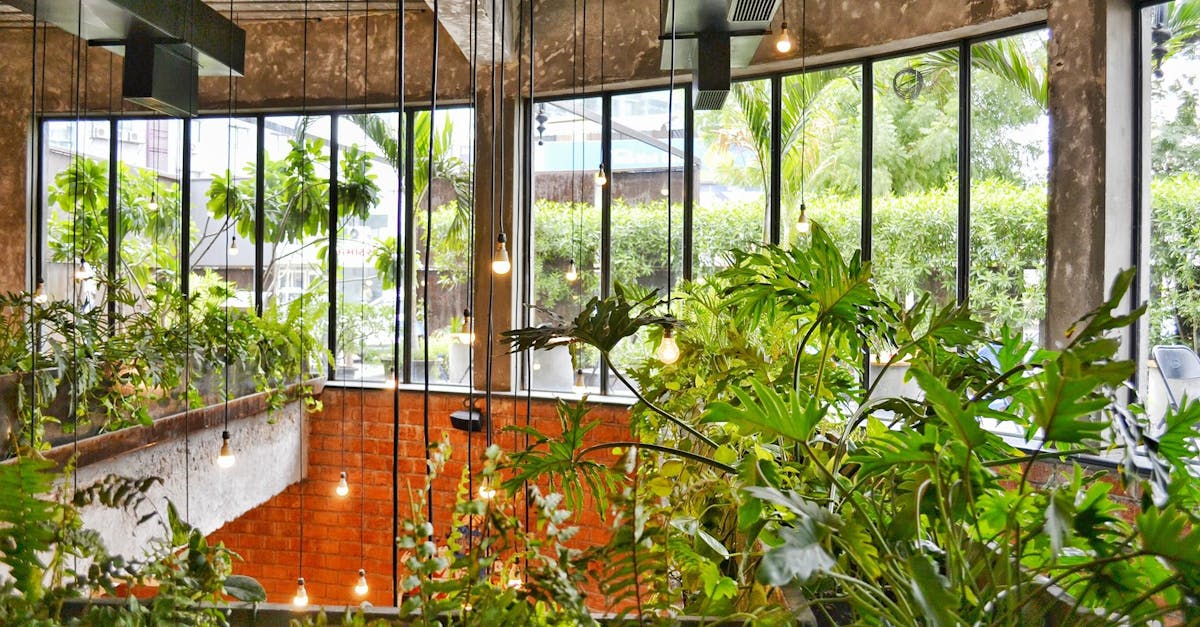
Maintaining a balcony garden requires ongoing care and attention to ensure the health and productivity of your plants. Here are some helpful tips and tricks:
Pruning and Trimming Techniques: Regular pruning and trimming promote healthy plant growth, improve air circulation, and enhance the overall appearance of your balcony garden. Remove dead or diseased leaves, stems, and flowers to encourage new growth and prevent the spread of disease.
Pest and Disease Management: Monitor your plants regularly for pests and diseases. Early detection and treatment are crucial to prevent serious damage. Use organic pest control methods whenever possible, such as neem oil or insecticidal soap. If necessary, consider using chemical pesticides according to the manufacturer’s instructions.
Pruning and Trimming Techniques
Pruning and trimming are essential techniques for maintaining the health and appearance of your balcony garden. Here are key methods to consider:
Shaping Plants: Pruning can be used to shape plants and control their size and form. By selectively removing branches and stems, you can encourage bushier growth, improve air circulation, and enhance the overall aesthetic appeal of your plants.
Removing Dead or Diseased Foliage: Regularly removing dead or diseased leaves, stems, and flowers is crucial for plant health. This prevents the spread of disease and promotes new, healthy growth. Cut away any affected parts using sharp, clean shears or pruners.
Pest and Disease Management
Identifying and managing pests and diseases is essential for maintaining healthy balcony plants. Here are key strategies:
Early Detection: Regularly inspect your plants for signs of pests or diseases. Early detection and treatment can prevent serious damage and the spread of disease.
Organic Pest Control: Whenever possible, opt for organic pest control methods. Neem oil, insecticidal soap, and companion planting are effective and environmentally friendly ways to manage pests.
5. Additional Tips and Inspiration
To further enhance your balcony garden, consider these additional tips and ideas:
Vertical Gardening and Trellising: Maximize space and add visual interest by utilizing vertical gardening techniques. Trellises and hanging baskets allow plants to grow upwards, creating a lush and vibrant display.
Creating a Balcony Herb Garden: Herbs are a great choice for balcony gardens due to their compact size and culinary versatility. Create a dedicated herb garden to have fresh herbs readily available for cooking and garnishing.
Vertical Gardening and Trellising
Vertical gardening is a space-saving and visually appealing technique that allows you to maximize the potential of your balcony garden. By utilizing trellises, hanging baskets, and other vertical structures, you can create a lush and vibrant display while optimizing the limited space available.
Benefits of Vertical Gardening:
-
Increased growing space: Trellises and hanging baskets provide additional growing area, allowing you to cultivate more plants in a smaller footprint.
-
Improved air circulation: Vertical gardening promotes better air flow around plants, reducing the risk of disease and encouraging healthy growth.
-
Adds visual interest: Vertical gardens create a visually striking and dynamic display, transforming your balcony into an eye-catching outdoor space.
Creating a Balcony Herb Garden
Creating a balcony herb garden is a rewarding way to enjoy fresh, homegrown herbs while maximizing the potential of your outdoor space. Here are some tips and ideas to help you get started:
Space-Saving Techniques:
- Vertical gardening: Utilize trellises, hanging baskets, or wall-mounted planters to grow herbs vertically, saving valuable floor space.
- Compact varieties: Choose compact or dwarf varieties of herbs that are well-suited for container gardening, such as parsley, basil, and thyme.
Culinary Uses:
- Enhance dishes: Fresh herbs add flavor and aroma to a wide range of dishes, from salads and soups to grilled meats and pasta sauces.
- Medicinal benefits: Many herbs have medicinal properties and can be used for teas, tinctures, and other natural remedies.
- Creative garnishes: Use herbs as colorful and flavorful garnishes to elevate the presentation of your culinary creations.
Quiz: Test Your Balcony Gardening Knowledge
-
True or False: When choosing plants for your balcony garden, it’s best to opt for large, fast-growing varieties.
-
Which of the following is NOT a benefit of vertical gardening?
(a) Increased growing space (b) Improved drainage (c) Reduced risk of pests
- What type of fertilizer is recommended for balcony plants?
(a) Slow-release granules (b) Liquid fertilizer (c) Chemical fertilizer
-
True or False: Overwatering is the most common mistake made when caring for balcony plants.
-
Which of the following is a space-saving technique for growing herbs on a balcony?
(a) Vertical gardening (b) Using large pots (c) Planting herbs directly in the ground
- False
- (b) Improved drainage
- (a) Slow-release granules
- True
- (a) Vertical gardening
Give Your Balcony Garden a Fresh Start: Updating Your Plant Arrangement for a Vibrant Outdoor Space Living in an urban Read more
A Comprehensive Guide to Selecting the Perfect Containers for Your Balcony Oasis Container gardening is an excellent way to bring Read more
Balcony Orchards: Growing Fruit Trees in Your Urban Oasis Growing a mini fruit tree on your balcony is an increasingly Read more
Unlocking the Potential of Your Balcony: A Weighty Consideration for Gardeners Assessing Balcony Weight Capacity for Gardening: A Comprehensive Guide Read more