
Unveiling the Secrets of Balcony Gardening: A Haven of Greenery on High

Take your passion for gardening to new heights by venturing into the realm of balcony gardening. This comprehensive guide will equip you with the knowledge and techniques to transform your limited outdoor space into a flourishing green oasis. Whether you’re a seasoned gardener yearning to optimize your balcony garden or a curious beginner eager to embark on this urban gardening journey, this guide has something to offer.
Let’s dive into the world of aerial horticulture, where you’ll discover the tricks of the trade for overcoming the unique challenges of balcony gardening. You’ll learn how to harness the power of limited sunlight, tame the perils of excess water, and select the perfect containers for your plant companions. Each step is meticulously explained, empowering you to cultivate a thriving garden that brings joy and tranquility to your urban abode.
As you delve into the secrets of container gardening, you’ll uncover the foundational elements of soil composition, recognizing the remarkable impact of organic matter and pH balance on plant health. With the art of fertilization at your fingertips, you’ll unlock the secrets of nurturing your balcony garden to its fullest potential, utilizing both natural and synthetic fertilizers to cater to the specific needs of your plant companions.
1. Mistakes to Steer Clear Of: A Beginner’s Guide to Balcony Gardening
Venturing into the realm of balcony gardening presents unique challenges that require careful navigation to ensure the flourishing of your plant companions. One crucial aspect is avoiding common pitfalls that can hinder the success of your aerial haven.
Understanding the sunlight requirements of your chosen plants is paramount. Assess the amount of natural light your balcony receives throughout the day and select species that thrive in those conditions. Insufficient sunlight can stunt plant growth, leading to leggy, weak stems and poor flowering or fruiting.
Drainage is another critical factor to consider. Excess water can lead to root rot, a fatal condition for plants. Choose containers with adequate drainage holes and avoid overwatering. If your balcony lacks proper drainage, consider using raised planters or containers with water reservoirs to prevent waterlogging. Additionally, incorporating organic matter, such as compost or peat moss, into your potting mix can improve drainage and aeration.
Insufficient Sunlight: The Bane of Balcony Gardens
Sunlight is the lifeblood of plants, providing the energy they need for photosynthesis, the process by which they convert carbon dioxide and water into glucose and oxygen. As such, understanding the sunlight requirements of your chosen plants is paramount when embarking on a balcony gardening journey.
Assess the amount of natural light your balcony receives throughout the day. Observe the trajectory of the sun and note the periods of direct sunlight and shade. Different plants have varying sunlight needs, with some thriving in full sun, while others prefer partial shade or even full shade.
Matching your plant choices to the available sunlight conditions is crucial for their success. If your balcony receives only a few hours of direct sunlight each day, opt for plants that can tolerate low light conditions, such as ferns, hostas, and begonias. For balconies with more abundant sunlight, a wider range of plants is at your disposal, including sun-loving herbs, vegetables, and flowering plants like geraniums, petunias, and marigolds.
Drainage Dilemmas: Tackling Excess Water
Drainage is a crucial factor for the health and well-being of plants, as excess water can lead to root rot, a fatal condition caused by prolonged exposure to waterlogged conditions. Ensuring proper drainage in your balcony garden is essential to prevent this issue and promote healthy plant growth.
Choose containers with adequate drainage holes to allow excess water to escape. Avoid using containers without drainage holes, as this can lead to waterlogging and root rot. If your containers do not have drainage holes, you can drill or punch holes in the bottom to create them.
In addition to drainage holes, consider using a potting mix that drains well. A well-draining potting mix will allow excess water to pass through easily, preventing it from becoming waterlogged. You can improve drainage by adding perlite, vermiculite, or coarse sand to your potting mix.
Container Confusion: Choosing the Right Homes for Plants
Choosing the appropriate containers for your balcony garden is essential for the health and growth of your plants. Containers come in a variety of materials, sizes, and drainage features, each with its own advantages and disadvantages.
Material:
- Plastic: Plastic containers are lightweight, durable, and affordable. They are also available in a wide range of colors and styles. However, plastic containers can be susceptible to fading and cracking over time, and they do not provide as much insulation as other materials.
- Terracotta: Terracotta containers are made from clay and are porous, which allows air and water to circulate around the roots of plants. Terracotta containers are also heavy and can be prone to cracking, especially in cold climates.
- Ceramic: Ceramic containers are also made from clay, but they are glazed, which makes them non-porous. Ceramic containers are more durable than terracotta containers and are less likely to crack. However, they are also more expensive.
Size:
The size of the container you choose will depend on the size of the plant you are growing. Small plants can be grown in small containers, while larger plants will need larger containers. It is important to choose a container that is large enough to accommodate the root system of the plant, but not so large that the soil becomes waterlogged.
Drainage:
Drainage is essential for healthy plant growth. Containers should have drainage holes in the bottom to allow excess water to escape. If the container does not have drainage holes, you can drill or punch holes in the bottom yourself.
2. Soil Selection: The Foundation of a Thriving Balcony Garden
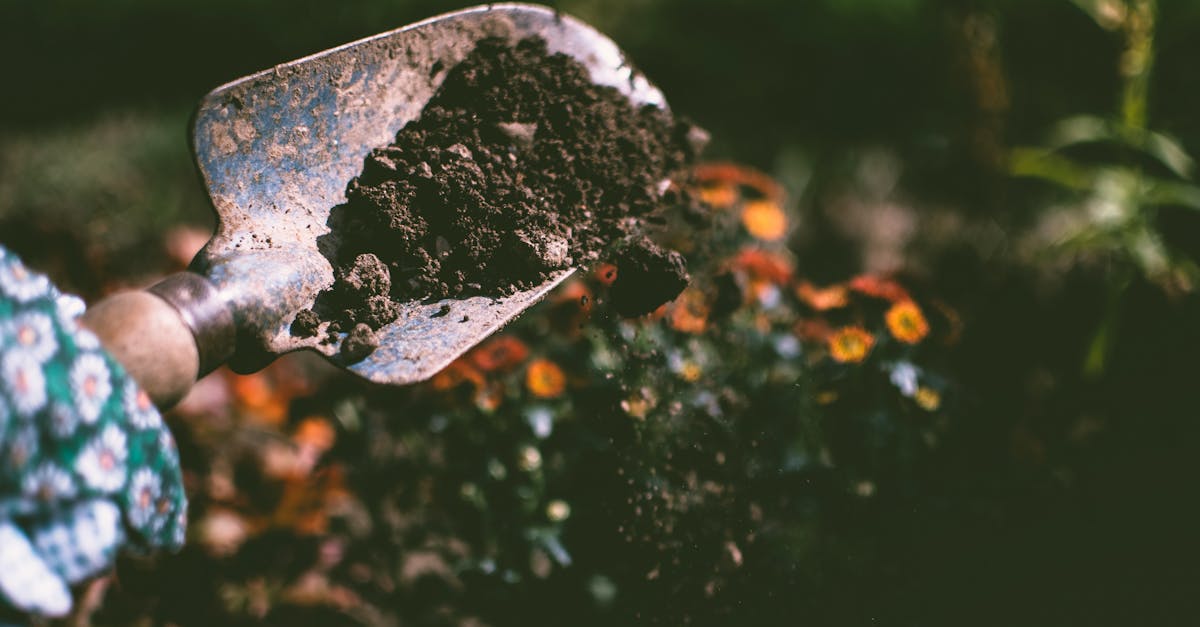
The right soil mix is essential for plant growth, providing the nutrients, moisture, and oxygen that plants need to thrive. When choosing soil for your balcony garden, there are several key factors to consider:
Drainage: Drainage is essential for healthy plant growth. Soil that is too dense or compacted can prevent water from draining properly, leading to waterlogged conditions that can damage roots and promote disease. Look for a soil mix that is well-draining, with a loose, crumbly texture.
pH: pH is a measure of the acidity or alkalinity of the soil. Different plants have different pH preferences, so it is important to choose a soil mix that is suited to the plants you are growing. Most plants prefer a slightly acidic soil with a pH between 6.0 and 6.5.
Organic matter: Organic matter, such as compost or peat moss, helps to improve soil structure, drainage, and fertility. It also provides a source of nutrients for plants. Look for a soil mix that contains plenty of organic matter.
Organic Matter: Nature’s Elixir for Healthy Soil
Organic matter is a natural soil amendment that can greatly improve the health and fertility of your balcony garden soil. Organic matter includes materials such as compost, peat moss, and manure, all of which are rich in nutrients and beneficial microorganisms.
Incorporating organic matter into your soil has a number of benefits, including:
- Improved drainage: Organic matter helps to improve soil drainage by creating air pockets and increasing the pore space between soil particles. This allows excess water to drain away more easily, preventing waterlogging and root rot.
- Increased aeration: Organic matter also helps to increase soil aeration by allowing air to circulate more easily through the soil. This is important for root growth and development, as roots need oxygen to respire.
- Enhanced nutrient content: Organic matter is a rich source of nutrients for plants. As it decomposes, organic matter releases nutrients into the soil, which can be taken up by plant roots. This helps to promote healthy plant growth and development.
pH Balance: Striking the Right Note for Plants
pH is a measure of the acidity or alkalinity of the soil. It is an important factor to consider when growing plants, as different plants have different pH preferences. Most plants prefer a slightly acidic soil with a pH between 6.0 and 6.5. However, some plants, such as rhododendrons and azaleas, prefer a more acidic soil, while others, such as alfalfa and asparagus, prefer a more alkaline soil.
You can test the pH of your soil using a soil test kit. These kits are available at most garden centers. Once you know the pH of your soil, you can adjust it if necessary to make it more suitable for the plants you are growing.
There are a number of ways to adjust soil pH. If your soil is too acidic, you can add lime to raise the pH. If your soil is too alkaline, you can add sulfur to lower the pH. You should always follow the instructions on the product label when adjusting soil pH.
3. Fertilizing for Success: Nurturing Your Balcony Garden
Fertilizing is an essential part of balcony gardening. Fertilizers provide plants with the nutrients they need to grow and thrive. There are two main types of fertilizers: organic and synthetic.
Organic fertilizers are made from natural materials, such as compost, manure, and fish emulsion. Organic fertilizers are slow-release fertilizers, which means that they release nutrients over a period of time. This makes them a good choice for balcony gardens, as they provide a steady supply of nutrients without the risk of over-fertilizing.
Synthetic fertilizers are made from chemical compounds. Synthetic fertilizers are fast-release fertilizers, which means that they release nutrients quickly. This makes them a good choice for plants that need a quick boost of nutrients, such as during the growing season.
When choosing a fertilizer for your balcony garden, it is important to consider the type of plants you are growing. Some plants, such as tomatoes and peppers, are heavy feeders and require more fertilizer than others. It is also important to follow the instructions on the fertilizer label. Over-fertilizing can damage plants, so it is always better to err on the side of caution.
Natural Fertilizers: Harnessing Nature’s Bounty
Natural fertilizers are an excellent way to provide your balcony garden plants with the nutrients they need to grow and thrive. Natural fertilizers are made from organic materials, such as compost, manure, and fish emulsion. They are slow-release fertilizers, which means that they release nutrients over a period of time. This makes them a good choice for balcony gardens, as they provide a steady supply of nutrients without the risk of over-fertilizing.
Compost is a great source of organic matter and nutrients for your plants. You can make your own compost by collecting kitchen scraps, yard waste, and other organic materials. Manure is another good source of organic matter and nutrients. However, it is important to use manure that has been aged for at least six months, as fresh manure can burn your plants. Fish emulsion is a liquid fertilizer that is made from fish scraps. It is a good source of nitrogen and phosphorus, which are essential nutrients for plant growth.
When using natural fertilizers, it is important to follow the instructions on the product label. Over-fertilizing can damage plants, so it is always better to err on the side of caution.
Synthetic Fertilizers: A Precise Approach to Plant Nutrition
Synthetic fertilizers are made from chemical compounds. They are fast-release fertilizers, which means that they release nutrients quickly. This makes them a good choice for plants that need a quick boost of nutrients, such as during the growing season. Synthetic fertilizers are also a good way to supplement natural fertilizers, such as compost and manure.
When using synthetic fertilizers, it is important to follow the instructions on the product label. Over-fertilizing can damage plants, so it is always better to err on the side of caution. It is also important to choose a fertilizer that is appropriate for the type of plants you are growing. Some fertilizers are designed for specific types of plants, such as tomatoes or roses.
Synthetic fertilizers can be a valuable tool for balcony gardeners. However, it is important to use them correctly to avoid damaging your plants.
4. Water Wisely: A Guide to Balcony Garden Irrigation
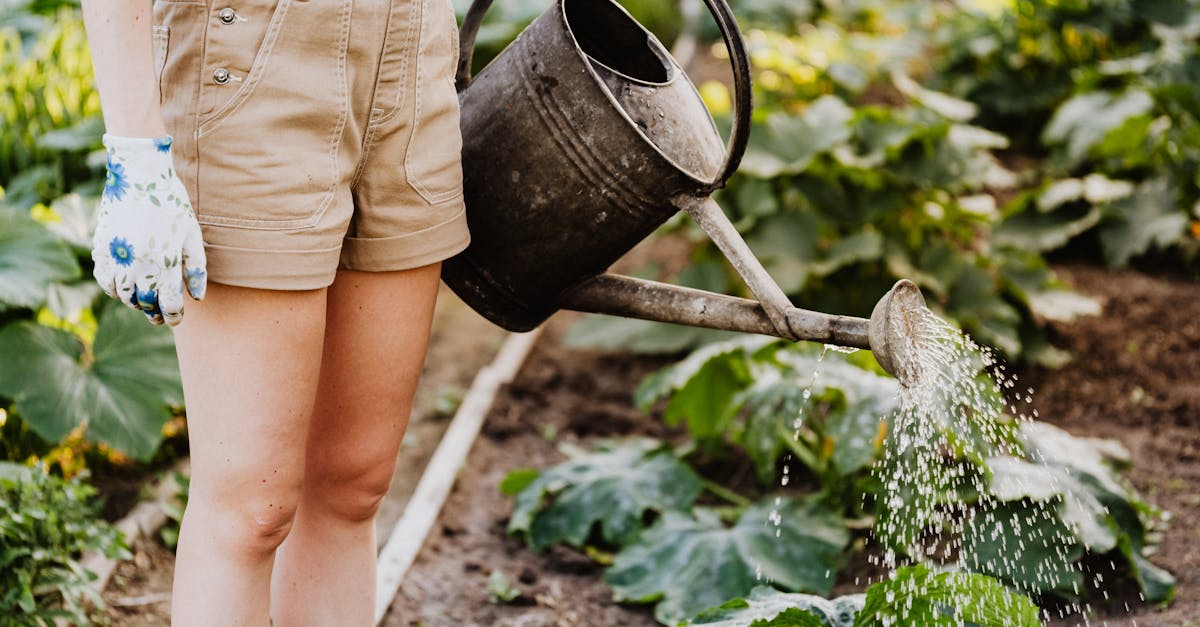
Watering is one of the most important aspects of balcony gardening. Plants need water to survive, but too much water can be just as harmful as too little water. The key is to water your plants regularly and deeply, but not too often.
The best way to water your plants is to use a watering can or hose with a nozzle that allows you to control the flow of water. Water your plants at the base of the stem, and avoid getting the leaves wet. This will help to prevent the spread of diseases.
The frequency with which you need to water your plants will depend on a number of factors, including the type of plants you are growing, the size of your containers, and the weather conditions. In general, you should water your plants when the top inch or two of soil feels dry to the touch.
During hot, dry weather, you may need to water your plants more frequently. You may also need to water your plants more frequently if they are in small containers, as the soil in small containers dries out more quickly than the soil in large containers.
Frequency and Duration: Striking a Balance
The frequency and duration of watering will vary depending on the type of plants you are growing, the size of your containers, and the weather conditions. In general, you should water your plants when the top inch or two of soil feels dry to the touch.
Type of plants: Some plants, such as succulents, are drought-tolerant and do not need to be watered as frequently as other plants. Other plants, such as tomatoes and peppers, are heavy feeders and need to be watered more frequently.
Size of containers: The size of your containers will also affect how often you need to water your plants. Small containers dry out more quickly than large containers, so plants in small containers will need to be watered more frequently.
Weather conditions: The weather conditions will also affect how often you need to water your plants. In hot, dry weather, you may need to water your plants more frequently. In cool, wet weather, you may not need to water your plants as often.
Method of watering: The method of watering can also affect how often you need to water your plants. If you are using a drip irrigation system, you will need to water your plants less frequently than if you are watering them by hand.
Mulching: A Protective Layer for Soil Moisture
Mulching is the practice of applying a layer of material to the surface of the soil around your plants. Mulch can be made from a variety of materials, including bark, compost, straw, and shredded leaves.
Mulch has a number of benefits for your balcony garden, including:
- Retaining soil moisture: Mulch helps to retain soil moisture by reducing evaporation. This is especially important in hot, dry weather.
- Suppressing weeds: Mulch can help to suppress weeds by blocking out sunlight and making it difficult for weeds to germinate.
- Regulating soil temperature: Mulch can help to regulate soil temperature by keeping the soil cooler in the summer and warmer in the winter.
Mulch can also improve the appearance of your balcony garden and make it more inviting.
To mulch your balcony garden, simply apply a layer of mulch around your plants, being careful not to cover the stems. You can use a variety of materials for mulch, including bark, compost, straw, and shredded leaves.
5. Pest Control: Safeguarding Your Balcony Haven
Pests and diseases can be a major problem for balcony gardeners. However, there are a number of things you can do to protect your plants, including:
Using natural pest control methods: There are a number of natural pest control methods that you can use to protect your plants, including:
- Companion planting: Companion planting is the practice of planting different types of plants together to help protect each other from pests and diseases. For example, planting basil next to tomatoes can help to repel tomato hornworms.
- Beneficial insects: Beneficial insects, such as ladybugs and lacewings, can help to control pests in your garden. You can attract beneficial insects to your garden by planting flowers that they are attracted to, such as daisies and zinnias.
- Homemade sprays: You can make your own homemade pest control sprays using ingredients such as neem oil, vinegar, and soap.
Using chemical pest control methods: If natural pest control methods are not effective, you may need to use chemical pest control methods. Chemical pest control methods should be used as a last resort, as they can be harmful to beneficial insects and the environment.
When using chemical pest control methods, it is important to follow the instructions on the product label carefully. You should also wear protective clothing and avoid spraying on windy days.
Organic Pest Control: Natural Remedies for a Healthy Garden
Organic pest control methods are a great way to protect your plants from pests and diseases without using harsh chemicals. Here are a few effective organic pest control methods to try:
- Companion planting: Companion planting is the practice of planting different types of plants together to help protect each other from pests and diseases. For example, planting basil next to tomatoes can help to repel tomato hornworms.
- Beneficial insects: Beneficial insects, such as ladybugs and lacewings, can help to control pests in your garden. You can attract beneficial insects to your garden by planting flowers that they are attracted to, such as daisies and zinnias.
- Homemade sprays: You can make your own homemade pest control sprays using ingredients such as neem oil, vinegar, and soap. Neem oil is a natural insecticide that can be used to control a variety of pests, including aphids, whiteflies, and spider mites. Vinegar can be used to control pests such as ants and aphids. Soap can be used to control pests such as aphids and mealybugs.
Chemical Pest Control: A Last Resort
Chemical pest control methods should be used as a last resort, as they can be harmful to beneficial insects and the environment. However, there are times when chemical pest control methods are necessary to control a severe pest infestation.
When using chemical pest control methods, it is important to follow the instructions on the product label carefully. You should also wear protective clothing and avoid spraying on windy days.
Here are a few things to consider when using chemical pesticides:
- Choose the right pesticide: There are a variety of chemical pesticides available, so it is important to choose the right one for the pest you are trying to control.
- Use the correct dosage: Be sure to use the correct dosage of pesticide, as using too much can be harmful to your plants.
- Apply the pesticide at the right time: Apply the pesticide at the time of day when the pest is most active.
- Avoid spraying on windy days: Avoid spraying on windy days, as the pesticide can drift and harm beneficial insects.
Quiz
- True or False: Insufficient sunlight is not a common problem for balcony gardens.
- Which of the following is NOT a benefit of organic matter in soil? (a) Improved drainage (b) Increased aeration (c) Reduced nutrient content
- What is the ideal pH range for most plants? (a) 4.0-5.0 (b) 6.0-6.5 (c) 7.0-8.0
- Which type of fertilizer releases nutrients quickly? (a) Organic fertilizer (b) Synthetic fertilizer
- True or False: You should water your balcony garden every day.
Answer Key
- False
- (c) Reduced nutrient content
- (b) 6.0-6.5
- (b) Synthetic fertilizer
- False
Answer Key
- False
- (c) Reduced nutrient content
- (b) 6.0-6.5
- (b) Synthetic fertilizer
- False
Give Your Balcony Garden a Fresh Start: Updating Your Plant Arrangement for a Vibrant Outdoor Space Living in an urban Read more
A Comprehensive Guide to Selecting the Perfect Containers for Your Balcony Oasis Container gardening is an excellent way to bring Read more
Balcony Orchards: Growing Fruit Trees in Your Urban Oasis Growing a mini fruit tree on your balcony is an increasingly Read more
Unlocking the Potential of Your Balcony: A Weighty Consideration for Gardeners Assessing Balcony Weight Capacity for Gardening: A Comprehensive Guide Read more