
The Art of Composting on Your Balcony: A Guide to Sustainable Living

Transform Your Balcony into a Sustainable Composting Haven: A Comprehensive Guide for Novices
Composting on a small balcony may seem daunting, but with the right knowledge and techniques, it’s a rewarding and environmentally conscious practice. This beginner’s guide provides a comprehensive overview of balcony composting, empowering you to create nutrient-rich soil while reducing your waste footprint. Learn about the different types of composting, suitable materials, and essential factors for successful balcony composting. Discover the various composting systems available and select the one that best fits your balcony size and lifestyle. Explore the key steps involved in maintaining a healthy balcony compost, including regular mixing, monitoring moisture levels, and preventing pests. Address common composting issues such as odor, slow decomposition, and pest infestations, and discover practical solutions to maintain a thriving balcony compost. Ultimately, embrace the numerous benefits of balcony composting, including environmental sustainability, reduced waste, and the creation of nutrient-rich soil for your plants.
1. Understanding the Basics of Balcony Composting
Understanding the Basics of Balcony Composting: A Foundation for Success
Balcony composting involves breaking down organic materials into a nutrient-rich soil amendment using a controlled decomposition process. There are two main composting methods: aerobic composting, which requires oxygen, and anaerobic composting, which occurs in the absence of oxygen. Aerobic composting is generally preferred for balcony composting due to its faster decomposition rate and less pungent odor.
Suitable materials for balcony composting include fruit and vegetable scraps, coffee grounds, tea bags, and paper products. Avoid composting meat, dairy products, pet waste, and diseased plants. To maintain a healthy composting system, aim for a balance of green materials (nitrogen-rich) and brown materials (carbon-rich). A good rule of thumb is to use two parts brown materials to one part green materials.
Essential factors for successful balcony composting include proper aeration, moisture management, and pest prevention. Regular mixing ensures oxygen reaches all parts of the compost pile, aiding decomposition. Maintaining the right moisture level is crucial; the compost should be damp but not soggy. Finally, keep pests away by using a lidded bin or covering the compost with a layer of brown materials. Balcony composting is an accessible and sustainable practice that can enrich your plants and reduce your environmental impact.
Aerobic vs. Anaerobic Composting
Aerobic vs. Anaerobic Composting: Choosing the Best Method for Your Balcony
Aerobic Composting
Aerobic composting occurs in the presence of oxygen and is the more common method for balcony composting. It involves using a compost bin with holes or slots to allow air to circulate. Aerobic composting has several advantages: it is relatively fast, produces less odor, and creates a nutrient-rich compost. However, it requires more frequent mixing to ensure proper aeration.
Anaerobic Composting
Anaerobic composting, on the other hand, takes place in the absence of oxygen. This method is less suitable for balcony composting due to its slower decomposition rate and potential for producing unpleasant odors. Anaerobic composting requires a sealed container, such as a plastic bucket with a lid. It is often used for composting large amounts of food scraps or for creating a liquid fertilizer called leachate.
Choosing the Best Method
The choice between aerobic and anaerobic composting for your balcony depends on several factors, including the size of your balcony, the amount of organic waste you generate, and your tolerance for odor. If you have a small balcony and produce a limited amount of organic waste, aerobic composting in a small bin is a good option. If you have a larger balcony or generate a lot of food scraps, you may consider using a larger aerobic compost bin or exploring anaerobic composting in a sealed container. Ultimately, the best method for you is the one that you can maintain consistently and that meets your needs.
Materials to Compost and Avoid
Materials to Compost and Avoid: Maintaining a Healthy Balcony Composting System
Compostable Materials
The key to successful composting is using the right materials. Acceptable organic materials for balcony composting include:
- Fruit and vegetable scraps
- Coffee grounds and tea bags
- Eggshells
- Paper products (newspapers, cardboard)
- Grass clippings and leaves
- Houseplant trimmings
These materials are rich in nutrients and will decompose relatively quickly in a compost bin. Aim for a mix of green materials (nitrogen-rich) and brown materials (carbon-rich) to ensure a balanced composting process.
Materials to Avoid
Some materials should not be composted on a balcony, as they can attract pests, create odors, or disrupt the composting process. Avoid composting:
- Meat, fish, and dairy products
- Pet waste
- Diseased plants
- Oils and fats
- Plastic and metal
These materials can contaminate the compost and make it unsuitable for use as a soil amendment. If you have a lot of these materials to dispose of, consider using a separate waste collection service or finding a local composting facility that accepts them.
By carefully selecting the materials you compost, you can maintain a healthy and efficient balcony composting system that will provide nutrient-rich soil for your plants and reduce your environmental impact.
Balancing Green and Brown Materials
Balancing Green and Brown Materials: The Key to Effective Composting
A crucial aspect of balcony composting is maintaining a proper balance between green and brown materials. Green materials are nitrogen-rich and include fruit and vegetable scraps, coffee grounds, and grass clippings. Brown materials are carbon-rich and include paper products, cardboard, and dried leaves.
The ideal carbon-to-nitrogen (C:N) ratio for composting is between 25:1 and 30:1. This ratio provides the optimal balance of nutrients and moisture for the microorganisms responsible for decomposition. If the C:N ratio is too low (too much green material), the compost pile may become slimy and anaerobic, producing unpleasant odors. If the C:N ratio is too high (too much brown material), decomposition will slow down significantly.
To achieve the correct balance, aim for a mix of two parts brown materials to one part green materials. You can adjust the ratio as needed based on the materials you have available. For example, if you have a lot of vegetable scraps, you may need to add more brown materials like shredded cardboard or paper. Regularly monitoring the compost pile and making adjustments as necessary will help you maintain a healthy and efficient composting system.
2. Choosing the Right Composting System
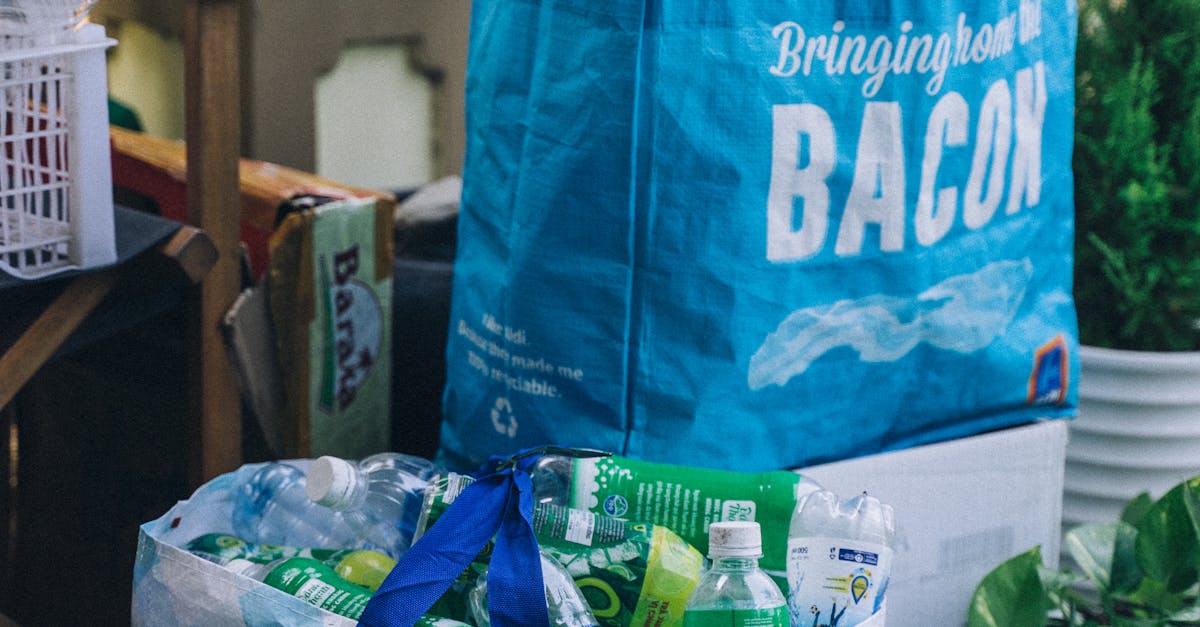
Choosing the Right Composting System for Your Balcony
Once you have gathered your compostable materials, the next step is to choose a composting system that suits your balcony size and lifestyle. There are several options available, each with its own advantages and disadvantages.
Tumblers
Tumblers are enclosed containers that you rotate regularly to aerate the compost. They are compact and easy to use, making them a good choice for small balconies. However, they can be more expensive than other composting systems and may require more frequent mixing.
Bins
Compost bins are open-top containers that come in a variety of sizes and materials. They are less expensive than tumblers but require more manual mixing. Bins need to be placed in a location with good air circulation to prevent odors.
Worm Farms
Worm farms are containers that use worms to break down organic materials. They are a great way to compost food scraps and produce nutrient-rich vermicompost. However, worm farms require more maintenance than other composting systems and may not be suitable for all balconies.
Consider the size of your balcony, the amount of organic waste you generate, and your budget when choosing a composting system. The best system for you is the one that you can maintain consistently and that meets your needs.
Tumblers: Compact and Convenient
Tumblers: A Compact and Convenient Composting Solution for Balconies
Tumblers are enclosed composting containers that you rotate regularly to aerate the compost. They are a great option for балконы with limited space, as they are compact and can be easily moved around.
Benefits of Using Tumblers
- Space-saving: Tumblers are relatively small and can be placed in a corner of your balcony or even on a table. They are also easy to store when not in use.
- Easy mixing and aeration: The tumbling action of the tumbler mixes the compost and aerates it, which speeds up the decomposition process. This reduces the need for manual mixing.
- Contained system: Tumblers are enclosed containers, which helps to prevent pests and odors from escaping.
- Fast composting: The regular tumbling and aeration help to create a fast and efficient composting process.
Things to Consider
Tumblers can be more expensive than other composting systems. They also require some regular maintenance, such as cleaning and lubricating the tumbler. Additionally, tumblers may not be suitable for composting large amounts of organic waste, as they can become difficult to turn.
Overall, tumblers are a convenient and efficient way to compost on a balcony. They are compact, easy to use, and can help you create nutrient-rich compost for your plants.
Bins: Traditional and Versatile
Bins: A Versatile and Traditional Composting Option for Balconies
Compost bins are open-top containers that come in a variety of sizes and materials. They are a traditional and versatile composting option for balconies, as they are relatively inexpensive and easy to use.
Types of Composting Bins
- Plastic bins: Plastic bins are lightweight and durable, making them a good choice for balconies. They come in a variety of sizes and colors, so you can choose one that fits your needs and style.
- Wooden bins: Wooden bins are more aesthetically pleasing than plastic bins, but they require more maintenance. They need to be treated with a weather-resistant sealant to prevent rotting.
- Metal bins: Metal bins are durable and long-lasting, but they can be more expensive than other types of bins. They also need to be galvanized or coated with a rust-resistant finish.
Capacity and Ventilation
When choosing a compost bin, consider the amount of organic waste you generate and the space you have available on your balcony. Bins come in a variety of capacities, from small countertop models to large freestanding units. Ventilation is also important, as it helps to prevent odors and pests. Look for bins with holes or slots to allow air to circulate.
Choosing the Right Bin
The best compost bin for you will depend on your individual needs and preferences. Consider the following factors when choosing a bin: * Size: Choose a bin that is large enough to accommodate the amount of organic waste you generate, but not so large that it takes up too much space on your balcony. * Material: Plastic bins are lightweight and durable, wooden bins are aesthetically pleasing, and metal bins are durable and long-lasting. * Ventilation: Look for bins with holes or slots to allow air to circulate and prevent odors. * Price: Compost bins range in price from inexpensive plastic models to more expensive metal bins. Choose a bin that fits your budget.
Compost bins are a versatile and affordable way to compost on a balcony. By choosing the right bin for your needs, you can create nutrient-rich compost for your plants and reduce your environmental impact.
Worm Farms: Eco-Friendly and Efficient
Worm Farms: An Eco-Friendly and Efficient Way to Compost on Your Balcony
Worm farms, also known as vermicomposting systems, are a great way to compost food scraps and other organic materials using worms. Worms break down organic matter into nutrient-rich compost, which can be used to fertilize plants.
Benefits of Vermicomposting
- Eco-friendly: Worm farms are a sustainable way to dispose of organic waste and reduce your environmental impact.
- Efficient: Worms can compost food scraps and other organic materials quickly and efficiently.
- Nutrient-rich compost: Vermicompost is rich in nutrients and beneficial microorganisms, which can help to improve soil health and plant growth.
- Odorless: Worm farms are relatively odorless, making them a good option for balconies and other small spaces.
- Educational: Vermicomposting is a great way to learn about composting and the role of worms in the ecosystem.
How Worm Farms Work
Worm farms typically consist of a bin or container with several layers. The bottom layer contains bedding material, such as shredded paper or cardboard. The middle layer contains the worms and the organic materials that you want to compost. The top layer is used to collect the finished compost.
As the worms eat the organic materials, they produce nutrient-rich castings (poop). The castings are collected in the bottom layer of the bin and can be used as fertilizer for plants.
Choosing a Worm Farm
When choosing a worm farm, consider the size of your balcony and the amount of organic waste you generate. Worm farms come in a variety of sizes, from small countertop models to large freestanding units.
You will also need to choose the type of worms you want to use. Red wigglers are a popular choice for vermicomposting, as they are hardy and efficient composters.
Worm farms are a great way to compost on a balcony and create nutrient-rich compost for your plants. They are eco-friendly, efficient, and relatively odorless.
3. Maintaining Your Balcony Compost
Maintaining Your Balcony Compost: A Guide to a Healthy and Thriving Compost Pile
Maintaining a healthy balcony compost is essential for creating nutrient-rich compost for your plants. Here are the key steps involved:
Regular Mixing
Mixing your compost regularly helps to aerate it and prevent anaerobic conditions. Anaerobic conditions can lead to unpleasant odors and slow down the decomposition process. Aim to mix your compost every few days, or more often if it is very wet or dry.
Monitoring Moisture Levels
The moisture level of your compost is also important. Compost that is too wet can become slimy and anaerobic, while compost that is too dry will not decompose properly. The ideal moisture level is about 60%, which is similar to the feel of a wrung-out sponge. If your compost is too wet, add some dry materials like shredded paper or cardboard. If your compost is too dry, add some water.
Preventing Pests
Pests can be a problem for balcony compost, especially if it is not properly maintained. To prevent pests, keep your compost bin covered and make sure to bury food scraps and other organic materials under a layer of brown materials. You can also add a handful of wood ash or diatomaceous earth to your compost to deter pests.
By following these simple steps, you can maintain a healthy and thriving balcony compost that will provide you with nutrient-rich compost for your plants.
Frequency of Mixing
Frequency of Mixing: Ensuring Aeration and Preventing Anaerobic Conditions in Your Compost
Regular mixing is essential for maintaining a healthy and thriving compost pile. Mixing helps to aerate the compost, which prevents anaerobic conditions from developing. Anaerobic conditions occur when there is not enough oxygen present in the compost, which can lead to unpleasant odors and slow down the decomposition process.
The frequency with which you need to mix your compost will depend on a number of factors, including the size of your compost pile, the type of materials you are adding, and the climate you live in. However, a good rule of thumb is to mix your compost every few days, or more often if it is very wet or dry.
To mix your compost, simply use a shovel or pitchfork to turn the pile over. Be sure to mix the materials from the outside of the pile into the center, and vice versa. This will help to ensure that all of the materials are evenly composted.
Mixing your compost regularly will help to create a healthy and aerobic composting environment. This will result in faster decomposition and higher-quality compost for your plants.
Moisture Management
Moisture Management: Achieving the Right Balance for Optimal Composting
Moisture is an essential component of the composting process. It helps to create a favorable environment for the microorganisms that break down organic materials. However, too much or too little moisture can slow down the composting process or even cause it to fail.
The ideal moisture level for composting is about 60%, which is similar to the feel of a wrung-out sponge. If your compost is too wet, it can become slimy and anaerobic, which can lead to unpleasant odors and attract pests. If your compost is too dry, it will not decompose properly.
To adjust the moisture level of your compost, you can add dry materials like shredded paper or cardboard if it is too wet, or water if it is too dry. You can also turn your compost pile more frequently to help it dry out.
Here are some tips for managing the moisture level of your compost:
- Use a variety of materials: A mix of green and brown materials will help to create a balanced moisture level in your compost pile.
- Add water sparingly: If you need to add water to your compost, do so gradually and mix it in well.
- Turn your compost pile regularly: Turning your compost pile helps to aerate it and prevent it from becoming too wet or dry.
- Cover your compost pile: Covering your compost pile will help to retain moisture and prevent it from drying out.
By following these tips, you can create a healthy and thriving compost pile that will produce nutrient-rich compost for your plants.
Pest Prevention
Pest Prevention: Keeping Your Balcony Compost Clean and Healthy
Pests can be a nuisance for balcony composters, but there are a few simple steps you can take to prevent them from being attracted to your compost pile.
1. Keep your compost covered. This will help to prevent flies, fruit flies, and other pests from laying eggs in your compost. You can use a lid, a tarp, or even a piece of cardboard to cover your compost pile.
2. Bury food scraps and other organic materials. Pests are attracted to food, so it is important to bury food scraps and other organic materials under a layer of brown materials. This will make it more difficult for pests to get to the food and will also help to keep your compost pile from smelling.
3. Add a handful of wood ash or diatomaceous earth to your compost. Wood ash and diatomaceous earth are both natural pest deterrents. You can add a handful of either to your compost pile every few weeks to help keep pests away.
4. Turn your compost pile regularly. Turning your compost pile regularly helps to aerate it and prevent it from becoming too wet or dry. This will also help to discourage pests from making a home in your compost pile.
5. Keep your composting area clean. Pests are attracted to clutter, so it is important to keep your composting area clean. This means sweeping up any spilled compost and regularly cleaning out your compost bin or container.
By following these simple tips, you can help to prevent pests from being attracted to your balcony compost pile.
4. Troubleshooting Common Challenges

Troubleshooting Common Challenges: Maintaining a Thriving Balcony Compost
Composting on a balcony can be a rewarding experience, but it can also come with its challenges. Here are some common composting issues and how to solve them:
1. Odor
Compost that smells bad is usually too wet or too anaerobic. To fix this, add more brown materials to your compost pile and turn it more frequently. You can also try adding a handful of wood ash or diatomaceous earth to your compost pile to help absorb odors.
2. Slow decomposition
Compost that is decomposing too slowly is usually too dry or too cold. To fix this, add more green materials to your compost pile and turn it more frequently. You can also try covering your compost pile with a tarp or blanket to help insulate it and keep it warm.
3. Pest infestations
Pests can be a nuisance for balcony composters, but there are a few things you can do to prevent them from becoming a problem. First, keep your compost covered and bury food scraps and other organic materials under a layer of brown materials. You can also add a handful of wood ash or diatomaceous earth to your compost pile every few weeks to help deter pests.
By following these simple tips, you can troubleshoot common composting challenges and maintain a thriving balcony compost.
Dealing with Odors
Dealing with Odors: Minimizing Unpleasant Smells in Your Balcony Compost
Compost that smells bad is usually too wet or too anaerobic. Anaerobic conditions occur when there is not enough oxygen present in the compost, which can lead to the production of unpleasant odors. To minimize odors, it is important to add more brown materials to your compost pile and turn it more frequently.
Adding brown materials
Brown materials are carbon-rich materials, such as shredded paper, cardboard, and dry leaves. Adding brown materials to your compost pile will help to absorb moisture and aerate the pile. This will create a more favorable environment for the microorganisms that break down organic materials and reduce the production of odors.
Turning your compost pile
Turning your compost pile regularly helps to aerate it and prevent it from becoming too wet or anaerobic. Aim to turn your compost pile every few days, or more often if it is very wet or smelly.
Using odor-absorbing materials
You can also add odor-absorbing materials to your compost pile to help reduce odors. Some common odor-absorbing materials include wood ash, diatomaceous earth, and activated charcoal. Simply sprinkle a handful of one of these materials over your compost pile every few weeks to help absorb odors.
By following these simple tips, you can minimize odors and maintain a healthy and thriving balcony compost.
Slow Decomposition
Slow Decomposition: Accelerating the Composting Process
Compost that is decomposing too slowly is usually too dry or too cold. To fix this, you can add more green materials to your compost pile and turn it more frequently. You can also try covering your compost pile with a tarp or blanket to help insulate it and keep it warm.
Adjusting the carbon-to-nitrogen ratio
The carbon-to-nitrogen (C:N) ratio of your compost pile is also important for the decomposition process. A C:N ratio that is too high or too low can slow down decomposition. The ideal C:N ratio for composting is between 25:1 and 30:1. If your compost pile is too high in carbon, add more green materials. If your compost pile is too high in nitrogen, add more brown materials.
Increasing mixing frequency
Turning your compost pile regularly helps to aerate it and speed up the decomposition process. Aim to turn your compost pile every few days, or more often if it is very dry or cold.
Using compost activators
You can also use compost activators to help speed up the decomposition process. Compost activators are products that contain beneficial bacteria and enzymes that can help to break down organic materials. Compost activators are available at most garden centers and home improvement stores.
By following these simple tips, you can accelerate the decomposition process and create compost more quickly.
Pest Infestations
Pest Infestations: Controlling Common Pests in Balcony Compost
Pests can be a nuisance for balcony composters, but there are a few things you can do to prevent them from becoming a problem:
Exclusion techniques
The best way to prevent pests from getting into your compost is to exclude them. This means keeping your compost covered and burying food scraps and other organic materials under a layer of brown materials. You can also use a compost bin with a lid to help keep pests out.
Natural repellents
There are a number of natural repellents that you can use to keep pests away from your compost. Some common natural repellents include:
- Citrus peels: Citrus peels contain limonene, which is a natural pest repellent. You can add citrus peels to your compost pile or place them around the outside of your compost bin.
- Garlic: Garlic is another natural pest repellent. You can add garlic cloves to your compost pile or plant garlic around your compost bin.
- Pepper: Pepper is a natural irritant that can deter pests. You can add pepper flakes to your compost pile or sprinkle them around the outside of your compost bin.
Organic pest control products
If you are having trouble controlling pests with exclusion techniques and natural repellents, you may want to consider using an organic pest control product. Organic pest control products are made from natural ingredients and are less harmful to the environment than traditional pesticides.
By following these simple tips, you can prevent pests from becoming a problem in your balcony compost.
5. The Benefits of Balcony Composting
The Benefits of Balcony Composting: A Sustainable and Rewarding Practice
Composting on a balcony offers numerous benefits, making it a worthwhile practice for apartment dwellers and urban gardeners alike:
Environmental sustainability
Composting is a sustainable way to dispose of organic waste, such as food scraps, coffee grounds, and paper products. By composting on your balcony, you can reduce the amount of waste that goes to landfills, which helps to conserve resources and reduce greenhouse gas emissions.
Reduced waste
Composting can help you to reduce the amount of waste you produce by up to 50%. This is because compost can be used to fertilize plants, which eliminates the need for chemical fertilizers. Additionally, compost can be used to improve soil structure, which helps to reduce erosion and water runoff.
Creation of nutrient-rich soil for plants
Compost is a nutrient-rich soil amendment that can help to improve the health and growth of your plants. Compost adds organic matter to the soil, which helps to improve drainage, aeration, and water retention. Additionally, compost contains beneficial microorganisms that help to break down nutrients and make them available to plants.
Educational and rewarding
Composting on a balcony is a great way to learn about the natural decomposition process. It is also a rewarding experience to see your food scraps and other organic materials transformed into nutrient-rich compost that you can use to fertilize your plants.
Environmental Sustainability
Environmental Sustainability: The Positive Impact of Balcony Composting
Composting on a balcony is an environmentally sustainable practice that can make a positive impact on the planet:
Waste reduction
Composting helps to reduce the amount of waste that goes to landfills. Organic waste, such as food scraps, coffee grounds, and paper products, make up a significant portion of landfill waste. By composting this waste, you can help to reduce the amount of methane gas that is produced by landfills. Methane is a greenhouse gas that contributes to climate change.
Resource conservation
Composting also helps to conserve resources. When you compost organic waste, you are creating a nutrient-rich soil amendment that can be used to fertilize plants. This eliminates the need for chemical fertilizers, which are made from non-renewable resources such as natural gas and petroleum.
Circular economy
Composting promotes a circular economy by recycling organic waste back into the soil. This helps to close the loop and reduce the need for new resources.
By composting on your balcony, you can make a positive impact on the planet by reducing waste, conserving resources, and promoting a circular economy.
Healthy Soil for Plants
Healthy Soil for Plants: The Power of Compost
Compost is a nutrient-rich soil amendment that can improve the health and growth of your plants. Here are some of the benefits of using compost as a natural fertilizer:
Improved soil structure
Compost helps to improve soil structure by adding organic matter. Organic matter helps to improve drainage, aeration, and water retention. This creates a healthier environment for plant roots to grow and thrive.
Increased nutrient availability
Compost contains a variety of nutrients that are essential for plant growth. These nutrients include nitrogen, phosphorus, potassium, and calcium. Compost also helps to make nutrients more available to plants by breaking down complex organic compounds into simpler forms that plants can easily absorb.
Enhanced plant health
Compost helps to improve plant health by providing a source of beneficial microorganisms. These microorganisms help to protect plants from diseases and pests. Compost also helps to improve plant root development, which leads to stronger and healthier plants.
By using compost as a natural fertilizer, you can improve the health and growth of your plants while also reducing your environmental impact.
Educational and Rewarding
Educational and Rewarding: The Joys of Balcony Composting
Composting on a balcony is not only a sustainable practice, but it is also an educational and rewarding experience:
Educational value
Composting is a great way to learn about the natural decomposition process. You can observe how organic materials break down over time and how the resulting compost can be used to fertilize plants. Composting can also teach you about the importance of recycling and waste reduction.
Satisfaction of creating something beneficial from waste
There is a great sense of satisfaction that comes from creating something beneficial from waste. When you compost, you are transforming your food scraps and other organic materials into a nutrient-rich soil amendment that can help your plants to thrive. Knowing that you are making a positive impact on the environment is also very rewarding.
Sense of accomplishment
Composting is a process that takes time and effort. When you finally have a batch of finished compost, it is a great feeling of accomplishment. You can be proud of the fact that you have created something that is both beneficial and sustainable.
Quiz: Test Your Balcony Composting Knowledge
- Which of the following materials should NOT be composted on a balcony?
(a) Fruit and vegetable scraps (b) Coffee grounds (c) Meat and dairy products (d) Paper products
-
True or False: The ideal carbon-to-nitrogen ratio for composting is between 10:1 and 15:1.
-
Which of the following is a benefit of using compost as a natural fertilizer?
(a) Improved soil structure (b) Increased nutrient availability (c) Enhanced plant health (d) All of the above
- True or False: Composting on a balcony is a time-consuming and labor-intensive process.
Answer Key
- (c)
- False
- (d)
- False
Give Your Balcony Garden a Fresh Start: Updating Your Plant Arrangement for a Vibrant Outdoor Space Living in an urban Read more
A Comprehensive Guide to Selecting the Perfect Containers for Your Balcony Oasis Container gardening is an excellent way to bring Read more
Balcony Orchards: Growing Fruit Trees in Your Urban Oasis Growing a mini fruit tree on your balcony is an increasingly Read more
Unlocking the Potential of Your Balcony: A Weighty Consideration for Gardeners Assessing Balcony Weight Capacity for Gardening: A Comprehensive Guide Read more