
Unleashing the Power of Drainage: A Guide to Healthy Balcony Container Gardening

When gardening in containers, proper drainage is paramount for the health and vitality of your plants. Inadequate drainage can lead to a myriad of issues, including root rot, stunted growth, and nutrient deficiencies. In this article, we will delve into the essential steps to ensure proper drainage in your tiny balcony garden containers, empowering you to create a thriving oasis despite spatial constraints.
Understanding the significance of drainage is crucial. Drainage enables excess water to escape from the soil, preventing waterlogging and creating an environment conducive to healthy root development. Excess water can suffocate roots, depriving them of oxygen and essential nutrients, ultimately leading to plant decline. By providing proper drainage, you can foster a healthy root system that anchors your plants and efficiently absorbs water and nutrients.
Selecting the right containers is the cornerstone of effective drainage. Opt for containers equipped with drainage holes to allow water to flow out freely. Elevated containers or those with raised bases further enhance drainage by preventing water from accumulating at the bottom. These design features promote water movement away from the roots, minimizing the risk of waterlogging and root rot.
1. Understanding the Importance of Drainage
Understanding the Importance of Drainage: Drainage allows excess water to escape from the soil, preventing root rot, promoting root growth, and creating a healthy environment for plant development.
Drainage is a critical factor for the health and vitality of plants, particularly those grown in containers. Proper drainage allows excess water to escape from the soil, preventing waterlogging and creating an environment conducive to healthy root development. Without adequate drainage, water can accumulate at the bottom of the container, depriving the roots of oxygen and essential nutrients. This can lead to a condition known as root rot, where the roots become damaged and unable to function properly.
Healthy roots are essential for anchoring the plant and absorbing water and nutrients from the soil. When roots are deprived of oxygen due to waterlogging, they become more susceptible to disease and decay. This can lead to stunted growth, wilting, and eventually plant death. Conversely, well-drained soil provides an environment where roots can thrive, leading to vigorous plant growth and increased resistance to pests and diseases. By ensuring proper drainage in your container garden, you can create a healthy foundation for your plants to flourish.
2. Choosing the Right Containers
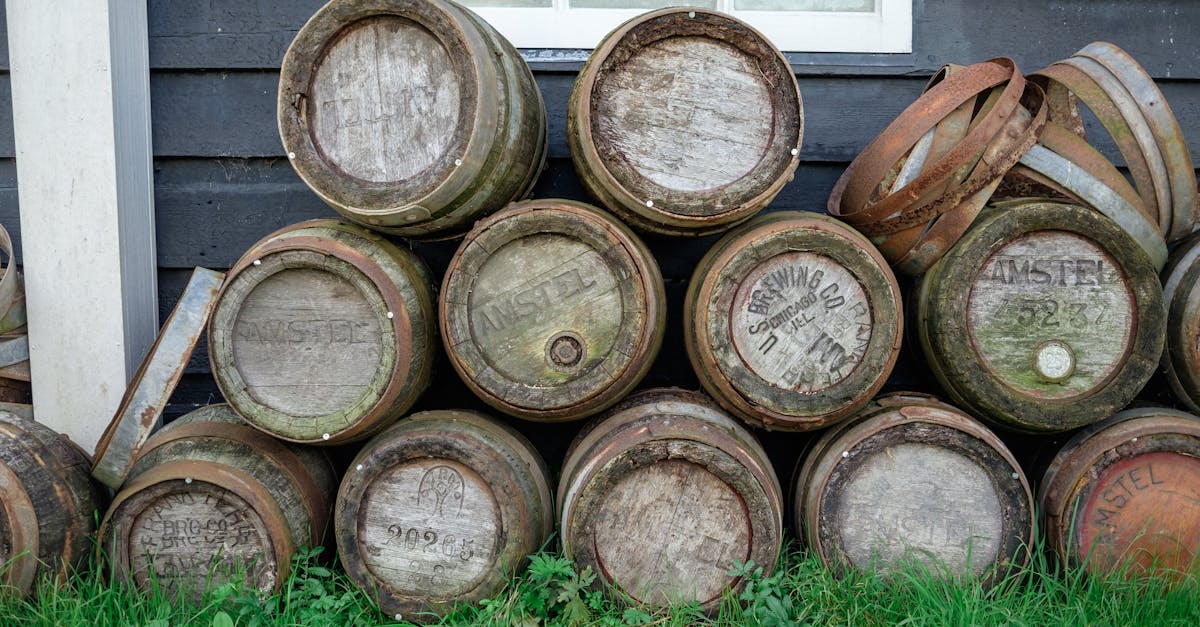
Choosing the Right Containers: Select containers with drainage holes to allow water to flow out freely. Consider elevated containers or containers with raised bases to further enhance drainage.
Selecting the right containers is crucial for ensuring proper drainage in your balcony garden. The key is to choose containers that allow excess water to escape freely, preventing waterlogging and root rot. Drainage holes are essential for this purpose, as they provide an outlet for water to drain out of the container. Avoid containers without drainage holes, as they can lead to water accumulation and subsequent root problems.
In addition to drainage holes, consider using elevated containers or containers with raised bases. These design features further enhance drainage by preventing the container from sitting directly on the ground or surface, which can impede water flow. Elevated containers allow air to circulate beneath the container, promoting evaporation and reducing the risk of waterlogging. Raised bases create a space between the bottom of the container and the surface, allowing excess water to drain away more easily.
When selecting containers, pay attention to the material they are made from. Some materials, such as ceramic or glazed pots, may not have drainage holes. If you choose containers without drainage holes, you can drill holes in the bottom yourself using a drill bit specifically designed for the material. It’s always better to err on the side of having too many drainage holes rather than too few, as excess water can be detrimental to plant health.
3. Creating a Drainage Layer
Creating a Drainage Layer: Add a layer of gravel, pebbles, or clay shards at the bottom of the container to facilitate water movement away from the roots.
Creating a drainage layer at the bottom of your container is a simple yet effective way to further enhance drainage and prevent waterlogging. A drainage layer provides additional space for excess water to collect, allowing it to drain away from the roots more easily. This helps to create a more aerated environment within the container, promoting healthy root development and reducing the risk of root rot.
To create a drainage layer, simply add a layer of gravel, pebbles, or clay shards to the bottom of the container, before adding the potting mix. The size of the drainage material will depend on the size of your container and the type of plants you are growing. For smaller containers, use smaller gravel or pebbles, while larger containers can accommodate larger stones or clay shards. The depth of the drainage layer should be around 1-2 inches, depending on the size of the container and the drainage capacity of the potting mix you are using.
A drainage layer is particularly beneficial for containers that do not have elevated bases or raised bottoms. It can also be used in conjunction with elevated containers or raised bases to provide even better drainage. By creating a drainage layer, you can help to ensure that excess water drains away from the roots, creating a healthy and thriving environment for your plants.
4. Using the Right Soil Mix

Using the Right Soil Mix: Well-draining soil allows water to drain easily while retaining moisture essential for plant health. Consider mixing potting soil with perlite, vermiculite, or composted bark to improve drainage.
The type of soil mix you use in your container garden plays a crucial role in drainage and overall plant health. Well-draining soil allows excess water to drain away easily, preventing waterlogging and root rot. However, it should also be able to retain moisture to provide essential hydration for your plants.
Commercial potting mixes are readily available and provide a good starting point for container gardening. However, you can further improve drainage by mixing in amendments such as perlite, vermiculite, or composted bark. Perlite is a lightweight volcanic rock that adds aeration and drainage to the soil. Vermiculite is a mineral that absorbs and retains water, while also improving drainage. Composted bark adds organic matter and helps to improve soil structure, which can also contribute to better drainage.
When mixing your own soil mix, aim for a combination that is approximately 50% potting mix and 50% amendments. Adjust the ratio as needed, depending on the drainage capacity of your potting mix and the specific needs of your plants. For example, if you are growing plants that prefer drier conditions, you can use a higher proportion of amendments to improve drainage. Conversely, if you are growing plants that require more moisture, you can use a higher proportion of potting mix to retain more water.
5. Watering Wisely
Watering Wisely: Avoid overwatering as it can lead to drainage issues. Water deeply and less frequently to allow the soil to dry out between watering.
Watering is a crucial aspect of container gardening, but it’s important to avoid overwatering, as this can lead to drainage problems and root rot. Overwatering occurs when you water your plants too often or too heavily, preventing the soil from drying out between watering sessions. This can create waterlogged conditions that suffocate the roots and make them more susceptible to disease.
To water wisely, follow these guidelines:
- Allow the soil to dry out slightly between watering. Stick your finger in the soil to check the moisture level. If the soil feels moist or damp, wait a few more days before watering.
- Water deeply when you do water. This encourages the roots to grow deep into the soil, making the plant more drought-tolerant and less prone to wilting.
- Avoid shallow watering, which only moistens the top layer of soil and encourages shallow root growth.
By following these tips, you can ensure that your plants receive the water they need without overwatering and causing drainage issues.
Quiz: Test Your Understanding of Container Drainage
1. True or False: Proper drainage is essential for healthy plant growth in containers.
2. Which of the following is NOT a benefit of creating a drainage layer in a container?
(a) Improves drainage
(b) Promotes root rot
(c) Aerates the soil
3. Which of the following materials can be used to create a drainage layer?
(a) Gravel
(b) Sand
(c) Clay shards
4. True or False: It is better to underwater plants than to overwater them.
5. Which of the following soil amendments can improve drainage?
(a) Perlite
(b) Peat moss
(c) Compost
Answer Key:
-
True
-
(b) Promotes root rot
-
(a) Gravel, (c) Clay shards
-
False
-
(a) Perlite
Answer Key:
-
True
-
(b) Promotes root rot
-
(a) Gravel, (c) Clay shards
-
False
-
(a) Perlite
Give Your Balcony Garden a Fresh Start: Updating Your Plant Arrangement for a Vibrant Outdoor Space Living in an urban Read more
A Comprehensive Guide to Selecting the Perfect Containers for Your Balcony Oasis Container gardening is an excellent way to bring Read more
Balcony Orchards: Growing Fruit Trees in Your Urban Oasis Growing a mini fruit tree on your balcony is an increasingly Read more
Unlocking the Potential of Your Balcony: A Weighty Consideration for Gardeners Assessing Balcony Weight Capacity for Gardening: A Comprehensive Guide Read more