
A Guide to Selecting the Perfect Plants for Your Balcony’s Microclimate
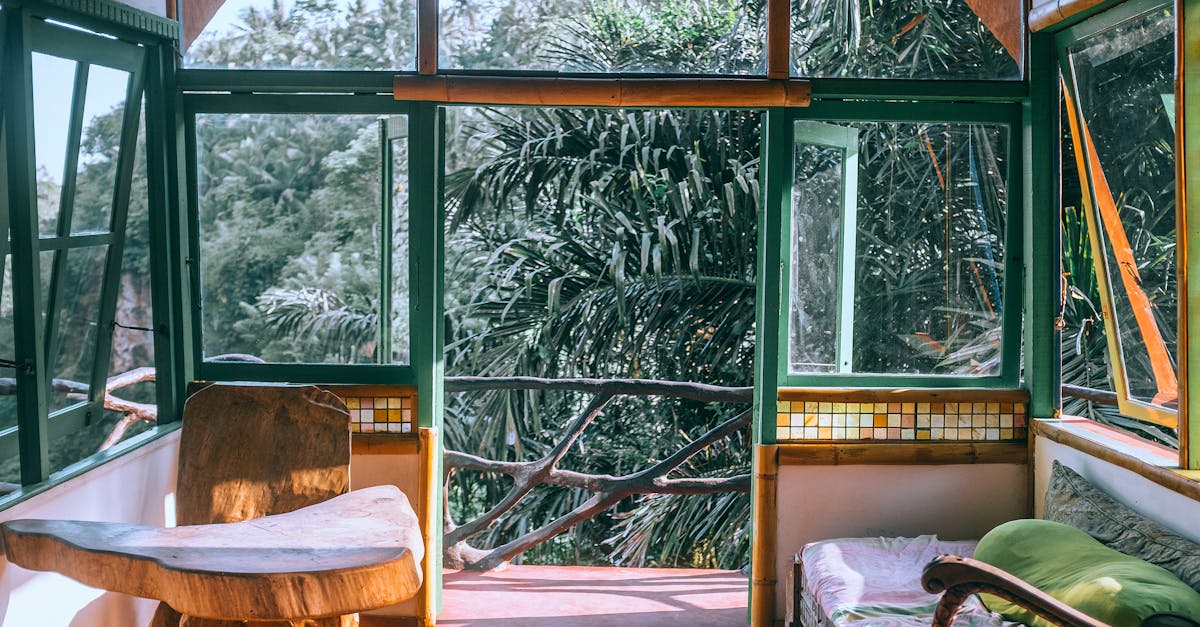
Have you always dreamed of transforming your tiny balcony into a lush green oasis, despite its limited space? Whether it’s for relaxation, a touch of nature, or simply to boost your home’s aesthetics, balcony gardening offers a unique opportunity to create a thriving outdoor retreat. However, to achieve a flourishing balcony garden, it’s essential to understand the specific microclimate your balcony offers and select plants that will thrive in those conditions.
This comprehensive guide will provide you with all the knowledge you need to make informed decisions when choosing plants for your balcony. We’ll delve into the factors that influence your balcony’s microclimate, including sunlight, wind, temperature, and humidity. With this understanding, you’ll be able to identify the ideal plants that will not only survive but flourish in your balcony’s unique environment.
Our expert recommendations and practical tips will empower you to create a thriving balcony garden tailored to your specific microclimate. From container selection and soil preparation to watering and maintenance, we’ll guide you through every step of the process. With careful planning and the right plant choices, you can transform your balcony into a vibrant and thriving oasis that will bring joy and tranquility to your urban living space.
1. Understanding Your Balcony’s Microclimate
Understanding Your Balcony’s Microclimate: Factors that Influence the Microclimate of Your Balcony, Including Sunlight, Wind, Temperature, and Humidity.
Before embarking on your balcony gardening journey, it’s crucial to understand the unique microclimate your balcony offers. This microclimate is influenced by a combination of factors, including sunlight, wind, temperature, and humidity. Each of these factors plays a significant role in determining the types of plants that will thrive in your balcony environment.
Sunlight and Shade Patterns
Sunlight is essential for plant growth, but the amount of sunlight your balcony receives will vary depending on its orientation and the surrounding buildings. Determine the amount of direct sunlight your balcony gets throughout the day, as well as the duration and intensity of shade. This information will help you choose plants that are well-suited to the specific light conditions on your balcony. Some plants, such as sun-loving succulents and herbs, thrive in ample sunlight, while others, such as ferns and begonias, prefer shadier environments.
Wind Conditions
Wind can have a significant impact on your balcony plants, especially if your balcony is exposed to strong winds. High winds can cause plants to dry out quickly, damage leaves, and even blow over containers. When selecting plants for your balcony, consider the wind conditions and choose plants that can withstand the exposure. Some plants, such as ornamental grasses and shrubs with sturdy stems, are more wind-tolerant than others. You may also want to consider using windbreaks, such as trellises or screens, to protect your plants from excessive wind.
Sun Exposure and Shade Patterns
Sun Exposure and Shade Patterns: Determining the Amount of Sunlight and Shade Your Balcony Receives Throughout the Day
Sunlight is essential for plant growth, but the amount of sunlight your balcony receives will vary depending on its orientation and the surrounding buildings. To determine the sun exposure and shade patterns on your balcony, observe the following factors:
-
Orientation: The direction your balcony faces will determine the amount of direct sunlight it receives. North-facing balconies receive the least amount of sunlight, while south-facing balconies receive the most. East-facing balconies get morning sun, while west-facing balconies get afternoon sun.
-
Surrounding buildings: Buildings and other structures can block sunlight from reaching your balcony. If your balcony is surrounded by tall buildings, it may receive less sunlight than a balcony that is more exposed.
-
Time of year: The amount of sunlight your balcony receives will also vary depending on the time of year. In the summer, the sun is higher in the sky, so your balcony will receive more direct sunlight. In the winter, the sun is lower in the sky, so your balcony will receive less direct sunlight.
Once you have observed the sun exposure and shade patterns on your balcony, you can start to choose plants that are well-suited to those conditions. Plants that require full sun should be placed in areas that receive at least six hours of direct sunlight per day. Plants that tolerate partial shade can be placed in areas that receive between three and six hours of direct sunlight per day. Plants that require full shade should be placed in areas that receive less than three hours of direct sunlight per day.
Wind Conditions
Wind Conditions: Assessing the Wind Exposure and Its Impact on Plant Selection
Wind can have a significant impact on your balcony plants, especially if your balcony is exposed to strong winds. High winds can cause plants to dry out quickly, damage leaves, and even blow over containers. When selecting plants for your balcony, it’s important to consider the wind conditions and choose plants that can withstand the exposure.
To assess the wind exposure on your balcony, observe the following factors:
-
Orientation: The direction your balcony faces will determine the amount of wind it is exposed to. Balconies that face prevailing winds will be more exposed than balconies that are protected by buildings or other structures.
-
Height: The higher your balcony is, the more exposed it will be to wind. This is because wind speeds increase with height.
-
Surrounding buildings: Buildings and other structures can block wind from reaching your balcony. If your balcony is surrounded by tall buildings, it may be less exposed to wind than a balcony that is more exposed.
Once you have assessed the wind exposure on your balcony, you can start to choose plants that are well-suited to those conditions. Plants that are tolerant of wind have strong stems and flexible leaves. They are also less likely to be damaged by wind-blown debris.
Some examples of wind-tolerant plants include:
- Ornamental grasses
- Shrubs with sturdy stems, such as boxwood and holly
- Vines, such as ivy and clematis
- Groundcovers, such as creeping Jenny and vinca
Temperature Variations
Temperature Variations: Understanding the Temperature Range Your Balcony Experiences and Its Impact on Plant Hardiness
The temperature range that your balcony experiences will depend on a number of factors, including your geographic location, the orientation of your balcony, and the surrounding buildings. It’s important to understand the temperature range on your balcony so that you can choose plants that are well-suited to those conditions.
Geographic location is a major factor in determining the temperature range on your balcony. Balconies in colder climates will experience a wider temperature range than balconies in warmer climates. For example, a balcony in Minnesota will experience temperatures that range from below freezing in the winter to over 100 degrees Fahrenheit in the summer. A balcony in Florida, on the other hand, will experience a much narrower temperature range, with temperatures rarely falling below freezing and rarely rising above 90 degrees Fahrenheit.
Orientation also plays a role in determining the temperature range on your balcony. Balconies that face south will be warmer than balconies that face north. This is because south-facing balconies receive more direct sunlight, which helps to warm the air. Balconies that are protected from the wind will also be warmer than balconies that are exposed to the wind.
Surrounding buildings can also affect the temperature range on your balcony. Buildings can block the sun and wind, which can help to keep the temperature on your balcony more stable. If your balcony is surrounded by tall buildings, it will be less exposed to the sun and wind than a balcony that is more exposed.
Once you understand the temperature range on your balcony, you can start to choose plants that are well-suited to those conditions. Plants that are hardy in your climate will be able to tolerate the temperature fluctuations on your balcony. You can find out the hardiness zone for your area by visiting the USDA Plant Hardiness Zone Map.
When selecting plants for your balcony, it’s also important to consider the microclimate of your balcony. The microclimate is the localized climate that exists on your balcony, which can be different from the climate in your surrounding area. For example, if your balcony is enclosed by glass, it will be warmer than a balcony that is open to the air.
Humidity Levels
Humidity Levels: The Importance of Humidity and Its Influence on Plant Growth
Humidity is the amount of water vapor in the air. It is an important environmental factor that can affect plant growth. The ideal humidity level for most plants is between 40% and 60%. However, some plants prefer higher or lower humidity levels.
High humidity can be beneficial for plants that are native to tropical or subtropical climates. These plants are adapted to high humidity levels and can suffer if the humidity is too low. High humidity can also help to prevent spider mites and other pests from attacking plants.
Low humidity can be beneficial for plants that are native to desert or arid climates. These plants are adapted to low humidity levels and can suffer if the humidity is too high. Low humidity can also help to prevent fungal diseases from attacking plants.
If the humidity level on your balcony is too high or too low, you can take steps to adjust it. To increase the humidity level, you can use a humidifier or place a tray of water on your balcony. To decrease the humidity level, you can use a dehumidifier or open windows and doors to let in fresh air.
When selecting plants for your balcony, it’s important to consider the humidity level on your balcony and choose plants that are well-suited to those conditions.
2. Selecting Plants for Your Balcony’s Microclimate
Selecting Plants for Your Balcony’s Microclimate: Criteria for Choosing Plants That Are Well-Suited to the Conditions on Your Balcony
Once you understand the microclimate of your balcony, you can start to select plants that are well-suited to those conditions. Here are a few things to consider when choosing plants for your balcony:
-
Sunlight requirements: The amount of sunlight your balcony receives will determine the types of plants that you can grow. Plants that require full sun should be placed in areas that receive at least six hours of direct sunlight per day. Plants that tolerate partial shade can be placed in areas that receive between three and six hours of direct sunlight per day. Plants that require full shade should be placed in areas that receive less than three hours of direct sunlight per day.
-
Wind tolerance: If your balcony is exposed to strong winds, you will need to choose plants that are wind-tolerant. Wind-tolerant plants have strong stems and flexible leaves. They are also less likely to be damaged by wind-blown debris.
-
Hardiness zone: The hardiness zone for your area will determine which plants are hardy enough to survive the winter temperatures in your area. You can find out the hardiness zone for your area by visiting the USDA Plant Hardiness Zone Map.
-
Water requirements: The amount of water your plants need will depend on the type of plant, the size of the plant, and the climate you live in. It’s important to choose plants that have water requirements that are compatible with your lifestyle and the watering conditions on your balcony.
Sunlight Requirements
Sunlight Requirements: Matching Plant Light Needs With the Sun Exposure Your Balcony Offers
The amount of sunlight your balcony receives will determine the types of plants that you can grow. Plants that require full sun should be placed in areas that receive at least six hours of direct sunlight per day. Plants that tolerate partial shade can be placed in areas that receive between three and six hours of direct sunlight per day. Plants that require full shade should be placed in areas that receive less than three hours of direct sunlight per day.
To determine the amount of sunlight your balcony receives, observe the following factors:
-
Orientation: The direction your balcony faces will determine the amount of direct sunlight it receives. North-facing balconies receive the least amount of sunlight, while south-facing balconies receive the most. East-facing balconies get morning sun, while west-facing balconies get afternoon sun.
-
Surrounding buildings: Buildings and other structures can block sunlight from reaching your balcony. If your balcony is surrounded by tall buildings, it may receive less sunlight than a balcony that is more exposed.
-
Time of year: The amount of sunlight your balcony receives will also vary depending on the time of year. In the summer, the sun is higher in the sky, so your balcony will receive more direct sunlight. In the winter, the sun is lower in the sky, so your balcony will receive less direct sunlight.
Once you have determined the amount of sunlight your balcony receives, you can start to choose plants that are well-suited to those conditions. If you have a balcony that receives full sun, you can grow a wide variety of plants, including vegetables, herbs, and flowers. If you have a balcony that receives partial shade, you can grow plants that tolerate lower light levels, such as ferns, begonias, and impatiens.
Wind Tolerance
Wind Tolerance: Selecting Plants That Can Withstand the Wind Conditions on Your Balcony
If your balcony is exposed to strong winds, you will need to choose plants that are wind-tolerant. Wind-tolerant plants have strong stems and flexible leaves. They are also less likely to be damaged by wind-blown debris.
Here are some tips for choosing wind-tolerant plants for your balcony:
-
Look for plants with sturdy stems. Plants with thin, weak stems are more likely to be damaged by wind. Choose plants with thick, woody stems that can withstand strong winds.
-
Choose plants with flexible leaves. Plants with stiff, brittle leaves are more likely to be damaged by wind. Choose plants with flexible leaves that can bend and sway in the wind without breaking.
-
Consider the size of the plant. Smaller plants are less likely to be damaged by wind than larger plants. If you have a balcony that is exposed to strong winds, choose smaller plants that are less likely to be blown over.
-
Use windbreaks. Windbreaks can help to protect your plants from strong winds. You can use a variety of materials to create a windbreak, such as lattice, bamboo screens, or even other plants.
Some examples of wind-tolerant plants include:
- Ornamental grasses
- Shrubs with sturdy stems, such as boxwood and holly
- Vines, such as ivy and clematis
- Groundcovers, such as creeping Jenny and vinca
Hardiness Zone
Hardiness Zone: Choosing Plants That Are Appropriate for Your Local Climate
The hardiness zone for your area will determine which plants are hardy enough to survive the winter temperatures in your area. You can find out the hardiness zone for your area by visiting the USDA Plant Hardiness Zone Map.
When choosing plants for your balcony, it’s important to select plants that are hardy in your climate. Plants that are not hardy in your climate will not be able to survive the winter temperatures and will die.
Here are some tips for choosing plants that are hardy in your climate:
-
Check the plant tag. The plant tag will usually list the hardiness zone for the plant. Make sure that the hardiness zone for the plant is the same as the hardiness zone for your area.
-
Ask a local nursery. The staff at a local nursery will be able to help you choose plants that are hardy in your climate. They can also recommend plants that are well-suited to the conditions on your balcony.
-
Do some research. There are a number of resources available online that can help you learn about plants that are hardy in your climate. You can also contact your local extension office for more information.
Water Requirements
Water Requirements: Selecting Plants with Water Needs That Align with Your Lifestyle and the Watering Conditions on Your Balcony
The amount of water your plants need will depend on the type of plant, the size of the plant, and the climate you live in. It’s important to choose plants that have water requirements that are compatible with your lifestyle and the watering conditions on your balcony.
If you have a busy lifestyle and don’t have a lot of time to water your plants, you should choose plants that are drought-tolerant. Drought-tolerant plants can go for long periods of time without water and are ideal for balconies that receive full sun or have poor drainage.
If you live in a climate with high humidity, you should choose plants that tolerate high humidity. Plants that tolerate high humidity are less likely to develop fungal diseases and can thrive in humid conditions.
Here are some tips for choosing plants with water requirements that align with your lifestyle and the watering conditions on your balcony:
-
Consider your lifestyle. How often do you have time to water your plants? If you don’t have a lot of time to water your plants, choose plants that are drought-tolerant.
-
Consider the climate you live in. If you live in a climate with high humidity, choose plants that tolerate high humidity.
-
Observe the watering conditions on your balcony. Does your balcony receive full sun or shade? Does it have good drainage? Choose plants that are well-suited to the watering conditions on your balcony.
3. Plant Recommendations for Common Balcony Microclimates
Plant Recommendations for Common Balcony Microclimates: Specific Plant Suggestions Tailored to Different Balcony Microclimates
Once you have a good understanding of the microclimate on your balcony, you can start to choose plants that are well-suited to those conditions. Here are a few plant recommendations for common balcony microclimates:
Sunny Balconies
Plants that thrive in ample sunlight include:
- Lantana
- Geraniums
- Rosemary
- Petunias
- Zinnias
Shady Balconies
Plants that tolerate low light conditions include:
- Ferns
- Begonias
- Impatiens
- Hostas
- Peace lilies
Windy Balconies
Plants that can withstand strong winds include:
- Ornamental grasses
- Succulents
- Shrubs with sturdy stems
- Vines
- Groundcovers
Dry Balconies
Plants that can tolerate low humidity and infrequent watering include:
- Lavender
- Succulents
- Cacti
- Rosemary
- Yarrow
Sunny Balconies
Sunny Balconies: Plants that Thrive in Ample Sunlight, Such as Lantana, Geraniums, and Rosemary
If your balcony receives ample sunlight, you can grow a wide variety of plants, including vegetables, herbs, and flowers. Some of the best plants for sunny balconies include:
-
Lantana: Lantana is a heat-tolerant plant that produces clusters of brightly colored flowers. It is a low-maintenance plant that is well-suited to containers.
-
Geraniums: Geraniums are another popular choice for sunny balconies. They produce large, showy flowers in a variety of colors. Geraniums are relatively easy to care for and can tolerate some neglect.
-
Rosemary: Rosemary is a fragrant herb that is well-suited to sunny balconies. It is a drought-tolerant plant that can survive with minimal watering. Rosemary can be used in cooking or as a decorative plant.
-
Petunias: Petunias are a popular choice for hanging baskets and window boxes. They produce masses of brightly colored flowers in a variety of colors. Petunias are relatively easy to care for and can tolerate some neglect.
-
Zinnias: Zinnias are a heat-tolerant plant that produces large, showy flowers in a variety of colors. Zinnias are easy to grow and make excellent cut flowers.
Shady Balconies
Shady Balconies: Plants that Tolerate Low Light Conditions, Such as Ferns, Begonias, and Impatiens
If your balcony receives only a few hours of sunlight per day, you will need to choose plants that tolerate low light conditions. Some of the best plants for shady balconies include:
-
Ferns: Ferns are a popular choice for shady balconies because they can tolerate low light levels and high humidity. Ferns come in a variety of shapes and sizes, so you can find one that will fit your balcony space.
-
Begonias: Begonias are another good choice for shady balconies. They produce colorful flowers in a variety of colors. Begonias prefer moist, well-drained soil and can tolerate low light levels.
-
Impatiens: Impatiens are a popular choice for hanging baskets and window boxes. They produce masses of brightly colored flowers in a variety of colors. Impatiens prefer moist, well-drained soil and can tolerate low light levels.
-
Hostas: Hostas are a shade-loving plant that is known for its large, variegated leaves. Hostas are relatively easy to care for and can tolerate some neglect.
-
Peace lilies: Peace lilies are a low-maintenance plant that is well-suited to shady balconies. They produce white flowers and can tolerate low light levels.
Windy Balconies
Windy Balconies: Plants that Can Withstand Strong Winds, Such as Grasses, Succulents, and Shrubs with Sturdy Stems
If your balcony is exposed to strong winds, you will need to choose plants that can withstand the wind. Some of the best plants for windy balconies include:
-
Ornamental grasses: Ornamental grasses are a popular choice for windy balconies because they have strong stems and flexible leaves. Ornamental grasses come in a variety of shapes and sizes, so you can find one that will fit your balcony space.
-
Succulents: Succulents are another good choice for windy balconies because they have thick, fleshy leaves that can store water. Succulents come in a variety of shapes and sizes, so you can find one that will fit your balcony space.
-
Shrubs with sturdy stems: Shrubs with sturdy stems can also withstand strong winds. Some good choices for windy balconies include boxwood, holly, and viburnum.
-
Vines: Vines can also be a good choice for windy balconies, as they can be trained to grow up a trellis or other support. Some good choices for windy balconies include ivy, clematis, and honeysuckle.
-
Groundcovers: Groundcovers can also be a good choice for windy balconies, as they can help to protect the soil from wind erosion. Some good choices for windy balconies include creeping Jenny, vinca, and pachysandra.
Dry Balconies
Dry Balconies: Plants that Can Tolerate Low Humidity and Infrequent Watering, Such as Lavender, Succulents, and Cacti
If your balcony has low humidity and infrequent watering, you will need to choose plants that can tolerate these conditions. Some of the best plants for dry balconies include:
-
Lavender: Lavender is a drought-tolerant plant that produces fragrant flowers. Lavender is a low-maintenance plant that is well-suited to containers.
-
Succulents: Succulents are a popular choice for dry balconies because they have thick, fleshy leaves that can store water. Succulents come in a variety of shapes and sizes, so you can find one that will fit your balcony space.
-
Cacti: Cacti are another good choice for dry balconies because they are very drought-tolerant. Cacti come in a variety of shapes and sizes, so you can find one that will fit your balcony space.
-
Rosemary: Rosemary is a drought-tolerant herb that is well-suited to dry balconies. Rosemary can be used in cooking or as a decorative plant.
-
Yarrow: Yarrow is a drought-tolerant plant that produces clusters of yellow flowers. Yarrow is a low-maintenance plant that is well-suited to containers.
4. Additional Tips for Balcony Gardening
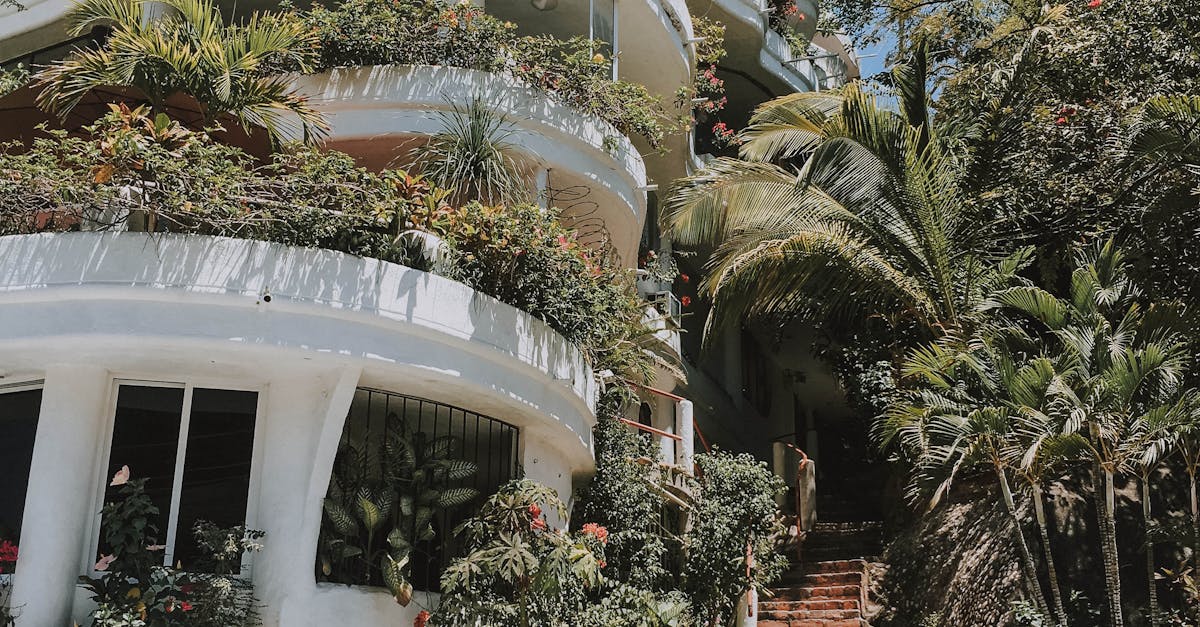
Additional Tips for Balcony Gardening: Essential Tips for Creating a Thriving Balcony Garden Despite Space Constraints
In addition to choosing the right plants for your balcony’s microclimate, there are a few other things you can do to create a thriving balcony garden despite space constraints:
-
Use vertical space. Vertical gardening is a great way to maximize space on a small balcony. You can use trellises, hanging baskets, and wall-mounted planters to grow plants vertically. This will free up valuable floor space for other plants or furniture.
-
Choose the right containers. The right containers can make a big difference in the health of your plants. Choose containers that are the right size for the plant and have drainage holes. You should also consider the material of the container. Some materials, such as terracotta, can dry out quickly, while others, such as plastic, can retain moisture better.
-
Water and fertilize regularly. Balcony plants need regular watering and fertilizing to stay healthy. The amount of water and fertilizer you need to give your plants will depend on the type of plant, the size of the plant, and the climate you live in. It’s important to check the soil regularly and water your plants when the soil is dry to the touch. You should also fertilize your plants every few weeks with a balanced fertilizer.
-
Protect your plants from pests and diseases. Pests and diseases can quickly damage your balcony plants. To protect your plants, inspect them regularly for pests and diseases. If you find any pests or diseases, treat them immediately. You can also use preventative measures, such as neem oil or insecticidal soap, to help keep pests and diseases away.
Container Selection
Container Selection: Choosing the Right Size and Type of Containers for Your Balcony Garden
The right containers can make a big difference in the health of your balcony plants. When choosing containers, there are a few things to consider:
-
Size: The size of the container should be appropriate for the size of the plant. A small plant will do well in a small container, while a large plant will need a larger container. It’s important to choose a container that is large enough to accommodate the plant’s roots, but not so large that the soil dries out too quickly.
-
Material: Containers come in a variety of materials, including plastic, terracotta, ceramic, and metal. Each material has its own advantages and disadvantages. Plastic containers are lightweight and inexpensive, but they can dry out quickly. Terracotta containers are porous, which allows the soil to breathe, but they can be heavy and expensive. Ceramic containers are durable and attractive, but they can be expensive and heavy. Metal containers are durable and can help to retain moisture, but they can also be expensive and heavy.
-
Drainage: It’s important to choose containers that have drainage holes. Drainage holes allow excess water to escape, which prevents the roots from rotting. If a container does not have drainage holes, you can drill your own.
Soil and Fertilizer
Soil and Fertilizer: Using Quality Soil and Fertilizing Regularly to Support Plant Growth
Quality soil is essential for healthy plant growth. When choosing soil for your balcony garden, look for a potting mix that is well-draining and contains organic matter. Organic matter helps to improve the soil’s structure and fertility. You can also amend the soil with compost or manure to improve its quality.
Fertilizing your plants regularly will help them to grow healthy and strong. Choose a fertilizer that is balanced and contains all of the essential nutrients that plants need. You should fertilize your plants every few weeks according to the manufacturer’s instructions.
Here are some tips for using soil and fertilizer in your balcony garden:
-
Use a high-quality potting mix. A good potting mix will contain a blend of organic matter, such as compost or peat moss, and inorganic matter, such as perlite or vermiculite. This will provide your plants with the nutrients they need to grow healthy and strong.
-
Fertilize your plants regularly. Fertilizing your plants regularly will help them to grow healthy and strong. Choose a fertilizer that is balanced and contains all of the essential nutrients that plants need. You should fertilize your plants every few weeks according to the manufacturer’s instructions.
-
Water your plants deeply and regularly. Watering your plants deeply and regularly will help to prevent the soil from drying out and will encourage the roots to grow deep into the soil. This will make your plants more resistant to drought and heat.
Watering and Maintenance
Watering and Maintenance: Establishing a Watering Schedule and Providing Proper Care to Keep Your Balcony Plants Healthy
Watering and maintenance are essential for keeping your balcony plants healthy. Here are a few tips:
-
Water your plants regularly. The amount of water your plants need will depend on the type of plant, the size of the plant, and the climate you live in. It’s important to check the soil regularly and water your plants when the soil is dry to the touch. Avoid overwatering your plants, as this can lead to root rot.
-
Fertilize your plants regularly. Fertilizing your plants regularly will help them to grow healthy and strong. Choose a fertilizer that is balanced and contains all of the essential nutrients that plants need. You should fertilize your plants every few weeks according to the manufacturer’s instructions.
-
Prune your plants regularly. Pruning your plants will help to encourage new growth and keep them looking their best. You can prune your plants by removing dead or damaged leaves and stems. You can also prune your plants to shape them or to control their size.
-
Repot your plants as needed. As your plants grow, they will need to be repotted into larger containers. Repotting your plants will give them more room to grow and will help to prevent them from becoming rootbound.
-
Protect your plants from pests and diseases. Pests and diseases can quickly damage your balcony plants. To protect your plants, inspect them regularly for pests and diseases. If you find any pests or diseases, treat them immediately. You can also use preventative measures, such as neem oil or insecticidal soap, to help keep pests and diseases away.
Pest and Disease Control
Pest and Disease Control: Preventing and Managing Pests and Diseases That Can Affect Balcony Plants
Pests and diseases can quickly damage your balcony plants. To protect your plants, inspect them regularly for pests and diseases. If you find any pests or diseases, treat them immediately. You can also use preventative measures, such as neem oil or insecticidal soap, to help keep pests and diseases away.
Here are a few tips for preventing and managing pests and diseases on your balcony:
-
Keep your plants healthy. Healthy plants are less likely to be affected by pests and diseases. Make sure your plants are getting the right amount of sunlight, water, and fertilizer. You should also prune your plants regularly to remove dead or damaged leaves and stems.
-
Inspect your plants regularly. Inspect your plants regularly for pests and diseases. Look for signs of damage, such as holes in leaves, yellowing leaves, or wilting stems. If you find any pests or diseases, treat them immediately.
-
Use preventative measures. You can use preventative measures, such as neem oil or insecticidal soap, to help keep pests and diseases away. Neem oil is a natural pesticide that can be used to kill pests. Insecticidal soap is a type of soap that can be used to kill insects. You can also use companion planting to help keep pests away. Companion planting is the practice of planting different types of plants together to help protect each other from pests and diseases.
-
Treat pests and diseases immediately. If you find any pests or diseases on your plants, treat them immediately. There are a variety of pesticides and fungicides available that can be used to treat pests and diseases. You should follow the manufacturer’s instructions carefully when using any pesticides or fungicides.
5. Conclusion
Conclusion: The Importance of Considering the Microclimate of Your Balcony and Selecting Plants Accordingly to Create a Thriving Outdoor Oasis
When it comes to balcony gardening, it’s important to consider the microclimate of your balcony and select plants accordingly. By understanding the factors that influence your balcony’s microclimate, you can create a thriving outdoor oasis that is tailored to your specific conditions.
By following the tips in this article, you can choose the right plants for your balcony’s microclimate and create a beautiful and thriving outdoor space. With a little care and attention, you can enjoy fresh air, beautiful plants, and a touch of nature right on your balcony.
Quiz
Multiple Choice
- Which of the following factors does NOT influence the microclimate of a balcony?
(a) Sunlight (b) Wind (c) Temperature (d) Soil pH
- What type of plants are best suited for balconies that receive full sun?
(a) Shade-loving plants (b) Sun-loving plants (c) Drought-tolerant plants (d) Wind-tolerant plants
- Which of the following is NOT a benefit of using vertical gardening techniques on a balcony?
(a) Maximizes space (b) Improves air circulation (c) Reduces water usage (d) Enhances privacy
True/False
-
It is important to choose plants that are hardy in your climate zone for your balcony garden.
-
Balcony plants should be fertilized monthly.
-
Overwatering is a common mistake made by balcony gardeners.
Answer Key
Multiple Choice
- (d)
- (b)
- (c)
True/False
- True
- False
- True
Answer Key
Multiple Choice
- (d)
- (b)
- (c)
True/False
- True
- False
- True
Give Your Balcony Garden a Fresh Start: Updating Your Plant Arrangement for a Vibrant Outdoor Space Living in an urban Read more
A Comprehensive Guide to Selecting the Perfect Containers for Your Balcony Oasis Container gardening is an excellent way to bring Read more
Balcony Orchards: Growing Fruit Trees in Your Urban Oasis Growing a mini fruit tree on your balcony is an increasingly Read more
Unlocking the Potential of Your Balcony: A Weighty Consideration for Gardeners Assessing Balcony Weight Capacity for Gardening: A Comprehensive Guide Read more