
Vertical Gardening: Beautify and Maximize Your Balcony with Climbing Plants
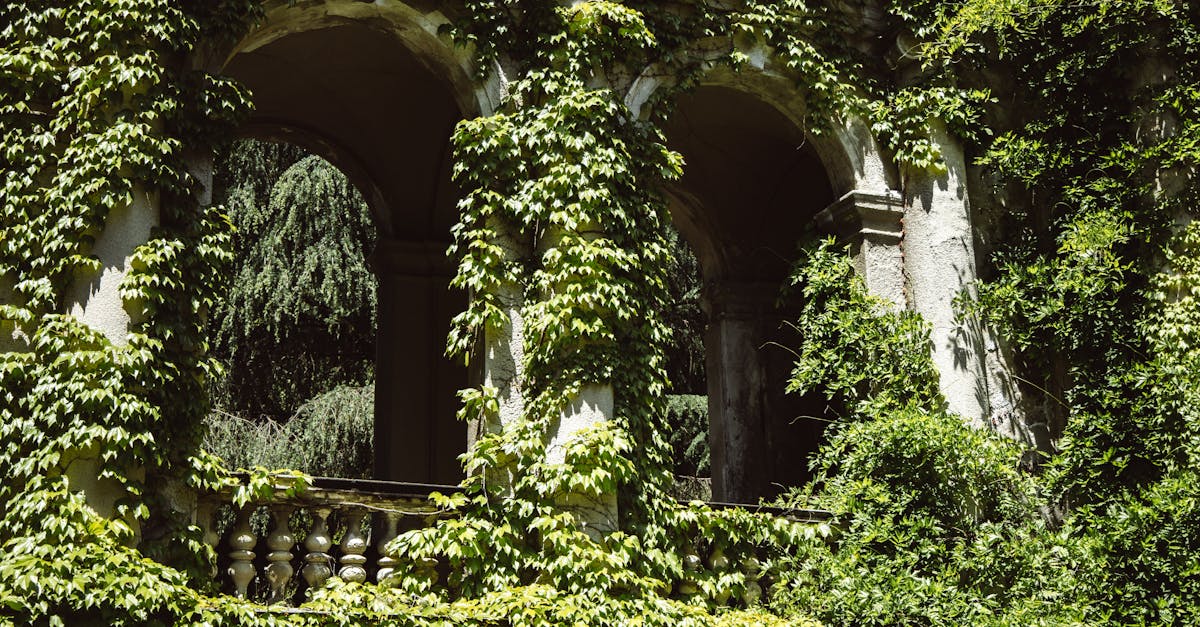
Whether you have a small balcony or a large one, climbing plants can be a great way to add beauty and interest. They can also help you save space and create a more private and inviting outdoor space without taking up a lot of floor space.
Before you start planting, it’s important to choose the right climbing plants for your balcony. Some climbing plants prefer full sun, while others can tolerate partial shade. Once you’ve chosen your plants, you’ll need to create a trellis or other support structure for them to grow on.This can be as simple as a few stakes in the ground or a more elaborate trellis that attaches to your balcony railing.
Once you’ve installed a trellis, you can start planting your climbing plants. Be sure to plant them at the correct depth and spacing, and provide them with regular water and fertilizer. As your climbing plants grow, you’ll need to train them to grow up the trellis or support structure.
1. Choosing the Right Climbing Plants
When choosing climbing plants for your balcony, there are a few things to keep in mind. First, you’ll need to consider the amount of sun your balcony receives. Some climbing plants prefer full sun, while others can tolerate partial shade.
Sun Exposure
If you have a sunny balcony, you’ll have a wider range of climbing plants to choose from. Some good options include jasmine, honeysuckle, and clematis. These plants will bloom profusely in full sun and will add a touch of color and fragrance to your balcony.
Partial Shade
If your balcony only receives partial shade, you’ll need to choose climbing plants that can tolerate these conditions. Some good options include ivy, vinca, and ferns. These plants will still grow well in partial shade, but they may not bloom as profusely as they would in full sun.
Once you’ve considered the amount of sun your balcony receives, you can start to narrow down your choices of climbing plants. There are many different types of climbing plants available, so you’re sure to find one that’s perfect for your needs.
Here are a few additional things to keep in mind when choosing climbing plants for your balcony:
- Size: Make sure to choose climbing plants that are the right size for your balcony. You don’t want to choose plants that will quickly outgrow their space.
- Maintenance: Some climbing plants require more maintenance than others. Be sure to choose plants that you’re willing to care for.
- Personal preference: Ultimately, the best climbing plants for your balcony are the ones that you love. So take your time to browse through different options and choose plants that you’ll enjoy looking at every day.
Sun Exposure
If you have a sunny balcony, you’ll have a wider range of climbing plants to choose from. Some good options include jasmine, honeysuckle, and clematis. These plants all prefer full sun and will bloom profusely in these conditions.
Jasmine is a popular choice for sunny balconies because it is relatively easy to care for and produces beautiful, fragrant flowers. Jasmine plants can grow up to 10 feet long, so they are a good choice for covering a large area.
Honeysuckle is another good choice for sunny balconies. Honeysuckle plants are known for their sweet-smelling flowers, which attract hummingbirds and butterflies. Honeysuckle plants can grow up to 20 feet long, so they are a good choice for covering a large area.
Clematis is a beautiful climbing plant that produces large, showy flowers. Clematis plants prefer full sun to partial shade and can grow up to 30 feet long.
In addition to jasmine, honeysuckle, and clematis, there are many other climbing plants that prefer full sun. When choosing climbing plants for your sunny balcony, be sure to do your research to find plants that are well-suited to your climate and growing conditions.
Here are a few additional tips for growing climbing plants in full sun:
- Water regularly: Climbing plants need regular watering, especially during hot weather.
- Fertilize monthly: Climbing plants benefit from monthly fertilization. Use a balanced fertilizer that is formulated for climbing plants.
- Prune regularly: Pruning climbing plants helps to keep them healthy and promotes new growth. Prune climbing plants in the spring and fall.
Partial Shade
If your balcony only receives partial shade, you’ll need to choose climbing plants that can tolerate these conditions. Some good options include ivy, vinca, and ferns. These plants can all tolerate partial shade and will still produce beautiful flowers and foliage.
Ivy is a popular choice for shady balconies because it is very easy to care for and can tolerate a wide range of conditions. Ivy plants can grow up to 50 feet long, so they are a good choice for covering a large area.
Vinca is another good choice for shady balconies. Vinca plants are known for their glossy green leaves and purple flowers. Vinca plants can grow up to 2 feet long, so they are a good choice for smaller balconies.
Ferns are a beautiful and delicate choice for shady balconies. Ferns come in a variety of shapes and sizes, so you can find one that is perfect for your space. Ferns prefer moist, well-drained soil and should be watered regularly.
In addition to ivy, vinca, and ferns, there are many other climbing plants that can tolerate partial shade. When choosing climbing plants for your shady balcony, be sure to do your research to find plants that are well-suited to your climate and growing conditions.
Here are a few additional tips for growing climbing plants in partial shade:
- Water regularly: Climbing plants need regular watering, especially during hot weather.
- Fertilize monthly: Climbing plants benefit from monthly fertilization. Use a balanced fertilizer that is formulated for climbing plants.
- Prune regularly: Pruning climbing plants helps to keep them healthy and promotes new growth. Prune climbing plants in the spring and fall.
2. Creating a Trellis or Support Structure
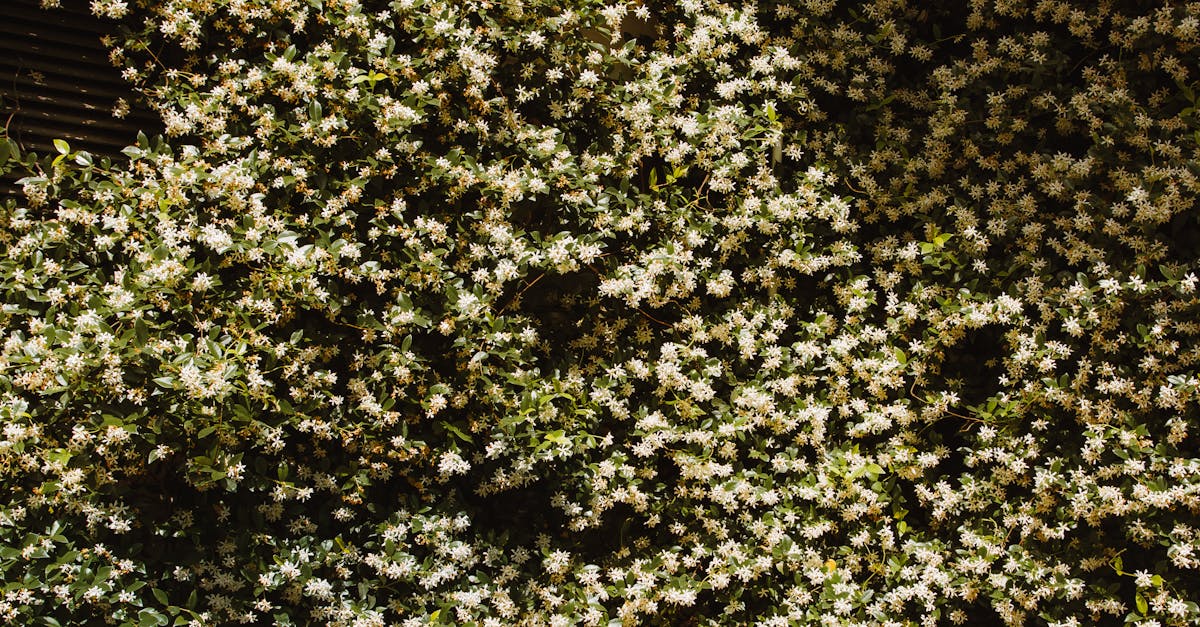
Once you’ve chosen your climbing plants, you’ll need to create a trellis or other support structure for them to grow on. This can be as simple as a few stakes in the ground or a more elaborate trellis that attaches to your balcony railing.
A trellis is a frame that supports climbing plants and helps them to grow vertically. Trellises can be made from a variety of materials, including wood, metal, and plastic. When choosing a trellis, be sure to choose one that is sturdy and can support the weight of your climbing plants.
If you are attaching a trellis to your balcony railing, be sure to use screws or bolts to secure it firmly. You may also want to use wire or twine to tie the climbing plants to the trellis.
In addition to trellises, there are a number of other ways to create support structures for climbing plants. You can use stakes, poles, or even old ladders to create a support structure. Be creative and use whatever materials you have on hand.
Once you have created a support structure for your climbing plants, you can start training them to grow up the structure. You can do this by gently guiding the stems and tying them to the support structure as needed.
Here are a few additional tips for creating a trellis or support structure for climbing plants:
- Choose the right size: Make sure to choose a trellis or support structure that is the right size for your climbing plants. You don’t want to choose a support structure that is too small or too large.
- Be sturdy: Make sure to choose a trellis or support structure that is sturdy and can support the weight of your climbing plants.
- Attach securely: If you are attaching a trellis to your balcony railing, be sure to use screws or bolts to secure it firmly.
Types of Trellises
There are many different types of trellises available, so you can choose one that best suits your needs and the style of your balcony.
Freestanding trellises: Freestanding trellises are not attached to any structure and can be placed anywhere on your balcony. Freestanding trellises are a good choice for balconies that do not have a railing or for balconies that are too small for a wall-mounted trellis.
Wall-mounted trellises: Wall-mounted trellises are attached to the wall of your balcony. Wall-mounted trellises are a good choice for balconies that have a railing or for balconies that are large enough to accommodate a wall-mounted trellis.
Arbors: Arbors are freestanding trellises that create a tunnel or archway. Arbors are a good choice for creating a focal point on your balcony or for dividing your balcony into different sections.
Pergolas: Pergolas are freestanding trellises that have a roof. Pergolas are a good choice for creating a shaded area on your balcony or for adding privacy to your balcony.
In addition to the different types of trellises listed above, there are also a number of different materials that trellises can be made from. Some of the most common materials used to make trellises include wood, metal, and plastic.
When choosing a trellis, be sure to consider the following factors:
- The size of your balcony: Choose a trellis that is the right size for your balcony. You don’t want to choose a trellis that is too small or too large.
- The style of your balcony: Choose a trellis that matches the style of your balcony. If your balcony has a traditional style, choose a trellis that is made from wood or metal. If your balcony has a modern style, choose a trellis that is made from plastic or metal.
- The weight of your climbing plants: Choose a trellis that can support the weight of your climbing plants. If you are growing heavy climbing plants, such as roses or clematis, choose a trellis that is made from sturdy materials, such as wood or metal.
Installing a Trellis
Once you’ve chosen a trellis, you’ll need to install it securely. This will ensure that your climbing plants have a sturdy support to grow on.
Freestanding trellises: Freestanding trellises are the easiest to install. Simply place the trellis in the desired location and weigh it down with heavy objects, such as bricks or rocks.
Wall-mounted trellises: Wall-mounted trellises are a bit more difficult to install, but they are more secure than freestanding trellises. To install a wall-mounted trellis, you will need to drill holes in the wall and insert screws or bolts. Be sure to use a level to make sure that the trellis is installed straight.
Arbors and pergolas: Arbors and pergolas are the most difficult to install, but they are also the most sturdy. To install an arbor or pergola, you will need to dig holes in the ground and insert posts. Be sure to use concrete to secure the posts in the ground.
Once your trellis is installed, you can start training your climbing plants to grow up the trellis. You can do this by gently guiding the stems and tying them to the trellis as needed.
Here are a few additional tips for installing a trellis:
- Make sure to choose a location for your trellis that receives plenty of sunlight.
- Be sure to install your trellis securely so that it can support the weight of your climbing plants.
- If you are installing a wall-mounted trellis, be sure to use a level to make sure that the trellis is installed straight.
3. Planting and Caring for Climbing Plants
Once you’ve installed a trellis, you can start planting your climbing plants. Be sure to plant them at the correct depth and spacing, and provide them with regular water and fertilizer.
Planting instructions:
- Dig a hole that is twice as wide as the root ball of the climbing plant.
- Place the climbing plant in the hole and backfill with soil.
- Tamp down the soil around the climbing plant to remove any air pockets.
- Water the climbing plant deeply.
- Space climbing plants according to the spacing recommendations on the plant tag.
Watering and fertilizing:
- Climbing plants need regular water, especially during hot weather.
- Water climbing plants deeply, making sure to soak the soil all the way to the roots.
- Fertilize climbing plants monthly with a balanced fertilizer.
Here are a few additional tips for planting and caring for climbing plants:
- Choose the right climbing plants for your climate and growing conditions.
- Plant climbing plants in well-drained soil.
- Mulch around climbing plants to help retain moisture and suppress weeds.
- Prune climbing plants regularly to keep them healthy and promote new growth.
Planting Instructions
Planting instructions:
- Dig a hole that is twice as wide as the root ball of the climbing plant.
- Place the climbing plant in the hole and backfill with soil.
- Tamp down the soil around the climbing plant to remove any air pockets.
- Water the climbing plant deeply.
- Space climbing plants according to the spacing recommendations on the plant tag.
Tips for planting climbing plants:
- Choose a planting site that receives plenty of sunlight.
- Amend the soil with compost or other organic matter to improve drainage and fertility.
- Dig a hole that is twice as wide as the root ball of the climbing plant.
- Place the climbing plant in the hole and backfill with soil, tamping down gently to remove any air pockets.
- Water the climbing plant deeply and regularly, especially during hot weather.
- Mulch around the climbing plant to help retain moisture and suppress weeds.
Watering and Fertilizing
Watering and fertilizing climbing plants:
- Climbing plants need regular water, especially during hot weather.
- Water climbing plants deeply, making sure to soak the soil all the way to the roots.
- Avoid overwatering climbing plants, as this can lead to root rot.
- Fertilize climbing plants monthly with a balanced fertilizer.
- Follow the manufacturer’s instructions for fertilizing climbing plants.
Tips for watering and fertilizing climbing plants:
- Water climbing plants deeply and regularly, especially during hot weather.
- Avoid overwatering climbing plants, as this can lead to root rot.
- Fertilize climbing plants monthly with a balanced fertilizer.
- Follow the manufacturer’s instructions for fertilizing climbing plants.
- Mulch around climbing plants to help retain moisture and suppress weeds.
4. Training and Pruning Climbing Plants

Training and pruning climbing plants:
- As your climbing plants grow, you’ll need to train them to grow up the trellis or support structure.
- You can do this by gently guiding the stems and tying them to the trellis as needed.
- Prune climbing plants regularly to keep them healthy and promote new growth.
- Remove any dead, diseased, or damaged stems.
- Prune climbing plants in the spring and fall.
Tips for training and pruning climbing plants:
- Train climbing plants to grow up the trellis or support structure by gently guiding the stems and tying them to the trellis as needed.
- Prune climbing plants regularly to keep them healthy and promote new growth.
- Remove any dead, diseased, or damaged stems.
- Prune climbing plants in the spring and fall.
- Fertilize climbing plants monthly with a balanced fertilizer.
Training Techniques
Training techniques:
- There are several different techniques you can use to train climbing plants. Choose the technique that best suits your needs and the type of climbing plant you’re growing.
- Some common training techniques include:
- Tying: This is the most common training technique. Simply tie the stems of the climbing plant to the trellis or support structure using twine or wire.
- Weaving: This technique is similar to tying, but instead of tying the stems to the trellis, you weave them through the trellis.
- Guiding: This technique involves gently guiding the stems of the climbing plant up the trellis or support structure. You can use your hands or a stick to guide the stems.
Tips for training climbing plants:
- Train climbing plants as they grow. Don’t wait until the stems are long and unwieldy.
- Choose the training technique that best suits your needs and the type of climbing plant you’re growing.
- Be gentle when training climbing plants. Avoid damaging the stems.
Pruning
Pruning climbing plants:
- Pruning climbing plants helps to keep them healthy and promotes new growth.
- Be sure to prune them according to the manufacturer’s instructions.
- General pruning guidelines for climbing plants include:
- Remove any dead, diseased, or damaged stems.
- Prune climbing plants in the spring and fall.
- Avoid pruning climbing plants too severely, as this can stunt their growth.
Tips for pruning climbing plants:
- Use sharp, clean pruning shears to avoid damaging the stems of the climbing plant.
- Make clean cuts at a 45-degree angle.
- Remove any suckers or water sprouts that grow from the base of the climbing plant.
- Fertilize climbing plants monthly with a balanced fertilizer to encourage new growth.
5. Tips for Saving Space and Beautifying Your Balcony
Tips for saving space and beautifying your balcony with climbing plants:
- Use vertical space: Climbing plants can help you make the most of your vertical space. By growing them up a trellis or other support structure, you can create a lush and beautiful display without taking up too much floor space.
- Add color and interest: Climbing plants come in a variety of colors and shapes, so you can use them to add a splash of color and interest to your balcony. Choose plants that bloom at different times of the year to ensure that you have something to enjoy all season long.
- Create a living wall: If you want to make a bigger impact, you can create a living wall by covering a large area of your balcony with climbing plants. This is a great way to add privacy and create a beautiful focal point.
Use Vertical Space
Use vertical space:
- Climbing plants can help you make the most of your vertical space. By growing them up a trellis or other support structure, you can create a lush and beautiful display without taking up too much floor space.
- This is a great way to add privacy to your balcony or to create a beautiful focal point.
- There are many different types of climbing plants that you can choose from, so you can find one that is perfect for your needs and the style of your balcony.
Add Color and Interest
Add color and interest:
- Climbing plants come in a variety of colors and shapes, so you can use them to add a splash of color and interest to your balcony.
- Choose plants that bloom at different times of the year to ensure that you have something to enjoy all season long.
- For example, you could choose a climbing rose for a pop of color in the spring, a clematis for beautiful blooms in the summer, and a jasmine for a sweet-smelling fragrance in the fall.
Create a Living Wall
Create a living wall:
- If you want to make a bigger impact, you can create a living wall by covering a large area of your balcony with climbing plants. This is a great way to add privacy and create a beautiful focal point.
- To create a living wall, you will need to install a trellis or other support structure on your balcony. Then, you can plant climbing plants at the base of the trellis and train them to grow up the structure.
- You can choose a variety of climbing plants to create your living wall, so you can create a unique and beautiful space that is perfect for your needs.
Quiz
1. True or False: Climbing plants can only be grown in full sun.
2. Which of the following is NOT a type of trellis?
- (a) Freestanding trellis
- (b) Wall-mounted trellis
- (c) Arbor
- (d) Hanging basket
3. What is the best way to train climbing plants to grow up a trellis?
- (a) Tie the stems to the trellis with twine or wire.
- (b) Wrap the stems around the trellis.
- (c) Guide the stems up the trellis with your hands.
- (d) All of the above
Answer Key
- False
- (d) Hanging basket
- (d) All of the above
Answer Key
- False
- (d) Hanging basket
- (d) All of the above
Give Your Balcony Garden a Fresh Start: Updating Your Plant Arrangement for a Vibrant Outdoor Space Living in an urban Read more
A Comprehensive Guide to Selecting the Perfect Containers for Your Balcony Oasis Container gardening is an excellent way to bring Read more
Balcony Orchards: Growing Fruit Trees in Your Urban Oasis Growing a mini fruit tree on your balcony is an increasingly Read more
Unlocking the Potential of Your Balcony: A Weighty Consideration for Gardeners Assessing Balcony Weight Capacity for Gardening: A Comprehensive Guide Read more