
Transform Your Balcony into a Private Sanctuary: A Guide to Creating Privacy with Plants
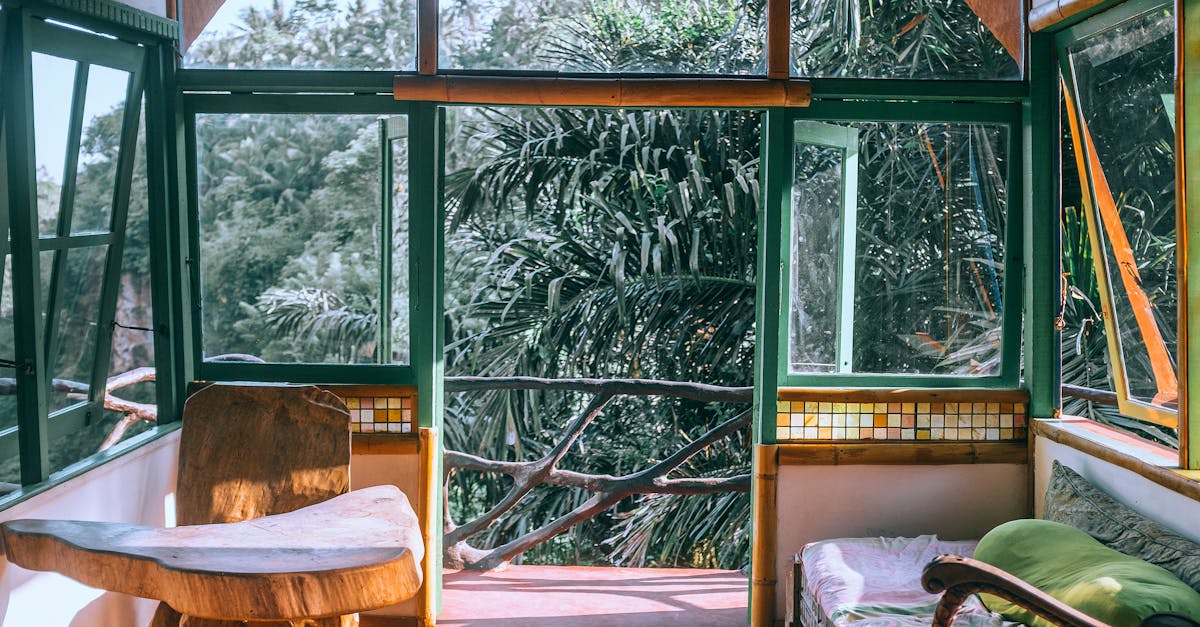
In today’s urban environments, balconies have become increasingly valuable outdoor spaces, offering residents a much-needed connection to nature and fresh air. However, for those living in close proximity to neighbors, privacy concerns can often limit the full enjoyment of these spaces. This comprehensive guide will provide practical tips and creative ideas for creating privacy with plants in your tiny balcony garden, allowing you to transform it into a serene and secluded haven.
Transforming your balcony into a private oasis with plants not only enhances your privacy but also brings numerous other benefits. Plants act as natural air purifiers, improving air quality and reducing stress levels. Their lush greenery adds vibrancy and beauty to your space, creating a tranquil and inviting ambiance. Moreover, gardening, even on a small scale, can be a rewarding hobby that promotes relaxation and mindfulness.
As you embark on creating privacy in your balcony garden, remember to consider factors such as the amount of sunlight your balcony receives, the size of your space, and your personal style preferences. With careful planning and the right plant choices, you can create a private outdoor retreat that will provide years of enjoyment.
1. Choose Plants with Ample Foliage
When selecting plants for privacy in your balcony garden, it is crucial to choose species with ample foliage that can effectively screen and conceal your space. Dense and bushy plants create a natural barrier, blocking unwanted views and providing a sense of seclusion.
Opt for evergreen shrubs such as boxwood, holly, or privet, which offer year-round privacy with their lush, dense foliage. These shrubs can be trimmed into formal shapes or allowed to grow naturally, adding structure and elegance to your balcony. Vining plants like ivy, clematis, or jasmine are excellent choices for creating living walls or screens. Their trailing stems can be trained to climb trellises, railings, or walls, forming a verdant tapestry that conceals your balcony from prying eyes.
When choosing plants for privacy, consider the amount of sunlight your balcony receives. Some plants, like boxwood and holly, can tolerate partial shade, while others, like ivy and clematis, prefer full sun. It is essential to match the plant’s needs to the conditions on your balcony to ensure optimal growth and privacy screening.
Evergreen Shrubs
Evergreen shrubs are an excellent choice for year-round privacy and greenery in your balcony garden. These plants retain their foliage throughout the year, providing a dense and effective screen from unwanted views. Boxwood, holly, and privet are popular choices due to their adaptability, low maintenance requirements, and aesthetic appeal.
Boxwood is a versatile shrub that can be trimmed into formal shapes or hedges, creating a structured and elegant look. Its small, glossy leaves and dense growth habit make it ideal for creating privacy screens and borders. Holly is another popular evergreen shrub, known for its glossy, spiky leaves and bright red berries that add a festive touch to your balcony during the winter months. Privet is a fast-growing shrub with dense, oval-shaped leaves that can quickly create a tall and effective privacy hedge.
When planting evergreen shrubs in containers, choose varieties that are suited to the size of your balcony and the amount of sunlight it receives. Ensure the containers have adequate drainage holes and use a well-draining potting mix. Water the shrubs regularly, especially during hot and dry weather, and fertilize them according to the manufacturer’s instructions to promote healthy growth and maintain their dense foliage.
Vining Plants
Vining plants, with their cascading stems and lush foliage, are a beautiful and effective way to create living walls or screens on your balcony. These plants can be trained to climb trellises, railings, or walls, forming a dense and verdant barrier that provides privacy and adds a touch of elegance to your outdoor space.
Ivy is a classic choice for vertical gardening, known for its ability to thrive in both sun and shade. Its trailing stems can quickly cover large areas, creating a lush green backdrop. Clematis is another popular vining plant, prized for its beautiful flowers that bloom in a range of colors. Jasmine is a fragrant climber that fills the air with its sweet scent, making it a delightful addition to any balcony garden.
When choosing vining plants for your balcony, consider the amount of sunlight it receives and the size of the trellis or structure you plan to use. Some vines, like ivy, are more tolerant of shade, while others, like clematis, prefer full sun. It is essential to provide adequate support for your vining plants to ensure they can grow and climb properly. Trellises, wires, or netting can be used to create a framework for the plants to attach to.
2. Maximize Vertical Space

Maximizing vertical space is crucial for creating privacy in a small balcony garden. By utilizing trellises, hanging baskets, and vertical planters, you can encourage plants to grow upwards, creating a dense and effective privacy barrier.
Trellises are a great way to support climbing plants and create vertical green walls. They can be made from various materials, such as wood, metal, or bamboo, and can be attached to walls or railings. Hanging baskets are another excellent option for adding vertical interest to your balcony garden. They can be used to display cascading plants, such as ferns, begonias, or petunias, creating a lush and colorful screen.
Vertical planters are an innovative way to grow plants in small spaces. These planters are designed to be mounted on walls or fences, allowing you to create vertical gardens without taking up valuable floor space. They are available in various sizes and styles, making it easy to find ones that complement your balcony décor.
Trellises and Arbors
Trellises and arbors are beautiful and functional structures that can be used to support climbing plants and create privacy screens in your balcony garden. Trellises are typically flat or slightly curved structures made of wood, metal, or plastic, which are designed to be attached to walls or railings. Arbors, on the other hand, are freestanding structures that create a more substantial and decorative focal point in your garden.
Both trellises and arbors can be used to support a variety of climbing plants, such as ivy, clematis, jasmine, or roses. These plants will climb the structure, creating a dense and leafy screen that provides privacy and adds a touch of elegance to your balcony. You can train the plants to grow in a specific direction or shape to create a customized privacy screen that meets your needs.
When choosing a trellis or arbor for your balcony garden, consider the size of the structure and the amount of space you have available. Trellises are available in various sizes and shapes, from small, wall-mounted options to larger, freestanding structures. Arbors are typically larger and more permanent structures, so it is important to choose one that is proportionate to the size of your balcony.
Hanging Baskets
Hanging baskets are a versatile and attractive way to add vertical interest and privacy to your balcony garden. By suspending cascading plants in hanging baskets, you can create a lush and leafy screen that conceals your balcony from unwanted views while adding a touch of elegance and charm.
Ferns are a popular choice for hanging baskets, as their delicate fronds create a soft and airy screen. Begonias are another excellent option, with their vibrant flowers adding a splash of color to your balcony. You can also use a combination of different plants in your hanging baskets to create a unique and personalized privacy screen.
When choosing hanging baskets for your balcony garden, consider the size and weight of the baskets, as well as the amount of sunlight your balcony receives. Make sure to choose baskets that are sturdy enough to support the weight of the plants and soil, and that are suitable for the amount of sunlight your balcony receives.
3. Layer Plants Strategically
Layering plants strategically is a key technique for creating depth and blocking visibility in your balcony garden. By combining plants of varying heights and shapes, you can create a dense and effective privacy screen that is both visually appealing and functional.
Start by placing taller plants or small trees in the back of your balcony. These plants will provide the foundation for your privacy screen and help to block视线lines from above. Medium-sized plants can be placed in the middle layer, filling in the gaps between the taller plants and creating additional density. Finally, use low-growing plants or groundcovers to fill in the front of your privacy screen, concealing the base of the larger plants and adding visual interest.
When layering plants, consider the different shapes and textures of the foliage. A mix of broad-leaved plants, such as hostas or ferns, and narrow-leaved plants, such as ornamental grasses or irises, can create a more dynamic and visually interesting privacy screen.
Tall Plants in the Back
When creating a privacy screen in your balcony garden, it is important to start with a foundation of taller plants or small trees in the back. These plants will provide the height and density needed to effectively block unwanted views and create a sense of seclusion.
Choose plants that are suited to the amount of sunlight your balcony receives and the size of your space. If you have a small balcony, you may want to opt for dwarf or miniature varieties of trees and shrubs. Some good options for taller plants include boxwood, holly, privet, and bamboo. These plants are known for their dense foliage and ability to withstand various growing conditions.
Once you have selected your taller plants, arrange them in the back of your balcony, ensuring that they are evenly spaced and that there are no large gaps between them. You may want to place the tallest plants in the center and gradually decrease the height of the plants towards the sides.
Medium-Sized Plants in the Middle
Once you have established a foundation of taller plants in the back of your balcony garden, you can start layering with medium-sized plants to fill in the gaps and create a denser privacy barrier. Medium-sized plants can also be used to add variety and interest to your privacy screen.
When choosing medium-sized plants, consider the amount of sunlight your balcony receives and the overall height and width of your privacy screen. You want to choose plants that will complement the taller plants in the back and help to create a cohesive look. Some good options for medium-sized plants include shrubs, small trees, and perennials. Boxwood, holly, privet, and abelia are all popular choices for privacy screens due to their dense foliage and ability to withstand various growing conditions.
Arrange your medium-sized plants in the middle layer of your privacy screen, filling in the gaps between the taller plants. You can also use medium-sized plants to create a second layer of privacy screening in front of the taller plants. This will help to block visibility from different angles and create a more effective privacy barrier.
Groundcover Plants in the Front
Groundcover plants are a versatile and effective way to conceal the base of larger plants in your balcony garden and create visual interest. They can also help to prevent weeds from growing and retain moisture in the soil.
When choosing groundcover plants, consider the amount of sunlight your balcony receives and the overall style of your garden. You want to choose plants that will complement the other plants in your privacy screen and help to create a cohesive look. Some good options for groundcover plants include creeping Jenny, vinca, ivy, and pachysandra. Creeping Jenny is a fast-growing groundcover that produces bright green foliage and yellow flowers in the spring. Vinca is another popular groundcover that produces purple or white flowers in the spring and summer. Ivy is a versatile groundcover that can be used to cover both sunny and shady areas. Pachysandra is a low-growing groundcover that produces dark green foliage and white flowers in the spring.
Arrange your groundcover plants in the front of your privacy screen, filling in the gaps between the larger plants. You can also use groundcover plants to create a border around the perimeter of your balcony garden. This will help to define the space and create a more polished look.
4. Maintain Plants for Optimal Growth
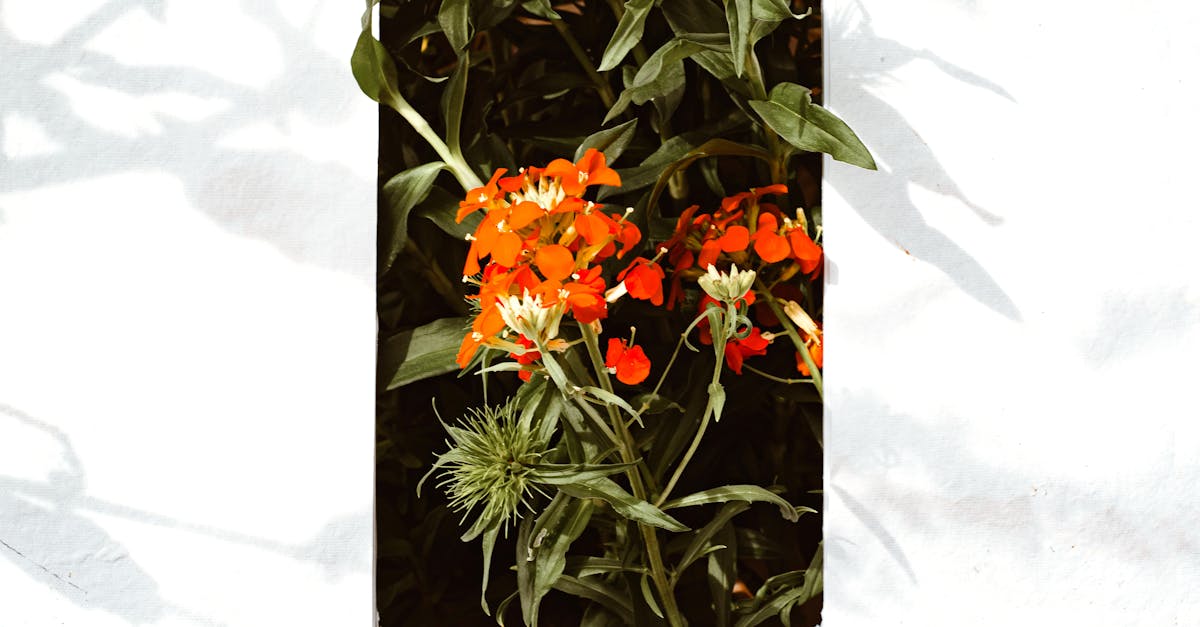
Groundcover plants are a versatile and effective way to conceal the base of larger plants in your balcony garden and create visual interest. They can also help to prevent weeds from growing and retain moisture in the soil.
When choosing groundcover plants, consider the amount of sunlight your balcony receives and the overall style of your garden. You want to choose plants that will complement the other plants in your privacy screen and help to create a cohesive look. Some good options for groundcover plants include creeping Jenny, vinca, ivy, and pachysandra. Creeping Jenny is a fast-growing groundcover that produces bright green foliage and yellow flowers in the spring. Vinca is another popular groundcover that produces purple or white flowers in the spring and summer. Ivy is a versatile groundcover that can be used to cover both sunny and shady areas. Pachysandra is a low-growing groundcover that produces dark green foliage and white flowers in the spring.
Arrange your groundcover plants in the front of your privacy screen, filling in the gaps between the larger plants. You can also use groundcover plants to create a border around the perimeter of your balcony garden. This will help to define the space and create a more polished look.
Regular Watering
Regular watering is essential for maintaining the health and appearance of your balcony garden. Water your plants deeply and regularly, especially during hot, dry weather. Deep watering encourages the roots to grow deep into the soil, making the plants more resilient to drought and less likely to wilt. Avoid shallow watering, which only wets the surface of the soil and encourages the roots to stay near the surface.
The frequency of watering will vary depending on the type of plants you have, the size of your containers, and the amount of sunlight your balcony receives. A good rule of thumb is to water your plants when the top inch or two of soil feels dry to the touch. You can also use a moisture meter to check the soil moisture level.
When watering your plants, be sure to water the base of the plant, avoiding the leaves. Watering the leaves can promote the growth of fungal diseases. You can also use a soaker hose or drip irrigation system to water your plants slowly and deeply.
Fertilization
Fertilizing your plants is essential for promoting healthy growth and foliage. Fertilizers provide plants with the nutrients they need to thrive, including nitrogen, phosphorus, and potassium. The specific fertilizer needs of your plants will vary depending on the type of plants you have and the growing conditions on your balcony.
When choosing a fertilizer for your balcony garden, look for one that is specifically designed for container plants. Container plants have different nutrient needs than plants grown in the ground. You should also consider the type of plants you have when choosing a fertilizer. Some plants, such as flowering plants, require more phosphorus than other plants, such as foliage plants.
Fertilize your plants according to the manufacturer’s instructions. Over-fertilizing can damage your plants, so it is important to follow the directions carefully. You can also use a slow-release fertilizer, which will release nutrients over a period of time. This can be a convenient option for busy gardeners.
Pruning
Pruning is an essential part of maintaining the health and appearance of your balcony garden. Pruning involves removing dead or diseased branches, controlling the growth of the plants, and encouraging dense foliage. Pruning can also help to improve the air circulation around your plants, which can help to prevent the spread of diseases.
When pruning your plants, use sharp, clean pruning shears. This will help to prevent the spread of diseases and make clean cuts. You should also prune your plants at the appropriate time of year. For most plants, the best time to prune is in late winter or early spring, before new growth begins.
When pruning your plants, consider the shape and size that you want them to be. You should also remove any dead or diseased branches. To encourage dense foliage, you can prune back the tips of the branches. This will promote the growth of new shoots and leaves.
5. Additional Tips for Privacy
In addition to using plants to create privacy in your balcony garden, you can also incorporate other design elements to enhance privacy and create a cozy outdoor space. Here are a few ideas:
-
Use fabric or lattice screens: Fabric or lattice screens can be used to create a physical barrier between your balcony and the outside world. They can be attached to railings or walls, and they can be customized to match the style of your balcony.
-
Create a seating area: Creating a cozy seating area on your balcony can help to make your space feel more private and inviting. Add a comfortable chair or sofa, and some cushions and throws. You can also add a small table for drinks and snacks.
-
Incorporate lighting: Lighting can be used to create a warm and inviting atmosphere on your balcony. String lights or lanterns can be hung from the ceiling or walls. You can also use candles or torches to add a touch of ambiance.
Use Fabric or Lattice Screens
Fabric or lattice screens are a great way to add privacy to your balcony and create a more intimate outdoor space. They can be attached to railings or walls, and they come in a variety of materials and styles to match your décor. Fabric screens are typically made of weather-resistant fabric, such as canvas or polyester, and they can be printed with a variety of patterns or colors. Lattice screens are made of interwoven strips of wood or metal, and they can be painted or stained to match your balcony décor.
When choosing a fabric or lattice screen for your balcony, consider the amount of privacy you want, the style of your balcony, and the amount of sunlight you receive. If you want complete privacy, choose a solid fabric screen. If you want some light to filter through, choose a sheer fabric screen or a lattice screen. You can also use a combination of fabric and lattice screens to create a unique look.
Fabric and lattice screens are a relatively inexpensive way to add privacy and style to your balcony. They are also easy to install and remove, so you can change them out seasonally or as your décor changes.
Create a Seating Area
Creating a cozy seating area surrounded by plants is a great way to make your balcony feel more private and inviting. Choose comfortable furniture that is weather-resistant and complements your balcony décor. Add cushions and throws for extra comfort and style. You can also add a small table for drinks and snacks.
When choosing plants for your seating area, consider the amount of sunlight your balcony receives. If you have a sunny balcony, you can choose plants that love the sun, such as geraniums, petunias, or lantana. If you have a shady balcony, you can choose plants that tolerate shade, such as ferns, hostas, or impatiens.
Arrange your plants around your seating area to create a sense of privacy and enclosure. You can use tall plants to create a backdrop, and shorter plants to fill in the gaps. You can also use hanging plants to add vertical interest and create a more lush look.
Incorporate Lighting
Incorporating outdoor lighting into your balcony garden is a great way to extend privacy and create a warm and inviting ambiance. String lights, lanterns, and candles can all be used to create different lighting effects. String lights can be hung from the ceiling or walls, and they can be used to create a cozy and intimate atmosphere. Lanterns can be placed on tables or on the floor, and they can be used to create a more dramatic look. Candles can be used to create a soft and romantic glow.
When choosing outdoor lighting for your balcony, consider the amount of light you need and the style of your décor. If you want to create a bright and inviting space, choose string lights or lanterns. If you want to create a more intimate and romantic space, choose candles. You can also use a combination of different lighting types to create a unique look.
Outdoor lighting can also be used to highlight your plants and create a more dramatic effect. Uplighting can be used to create a spotlight effect on your plants, and downlighting can be used to create a more subtle and diffused light.
Quiz
Multiple Choice
- Which type of plant is best suited for creating a privacy screen on a balcony?
(a) Annuals (b) Evergreens (c) Perennials
- What is the best way to maximize vertical space in a balcony garden?
(a) Using trellises and hanging baskets (b) Planting tall shrubs in the center (c) Creating a layered planting scheme
- Which of the following is NOT a benefit of incorporating lighting into a balcony garden?
(a) Extended privacy (b) Improved air quality (c) Warm and inviting ambiance
True/False
- It is important to fertilize balcony plants regularly to promote healthy growth.
- Pruning plants can help to encourage dense foliage and control growth.
Answer Key
Multiple Choice
- (b) Evergreens
- (a) Using trellises and hanging baskets
- (b) Improved air quality
True/False
- True
- True
Answer Key
Multiple Choice
- (b) Evergreens
- (a) Using trellises and hanging baskets
- (b) Improved air quality
True/False
- True
- True
Give Your Balcony Garden a Fresh Start: Updating Your Plant Arrangement for a Vibrant Outdoor Space Living in an urban Read more
A Comprehensive Guide to Selecting the Perfect Containers for Your Balcony Oasis Container gardening is an excellent way to bring Read more
Balcony Orchards: Growing Fruit Trees in Your Urban Oasis Growing a mini fruit tree on your balcony is an increasingly Read more
Unlocking the Potential of Your Balcony: A Weighty Consideration for Gardeners Assessing Balcony Weight Capacity for Gardening: A Comprehensive Guide Read more