
Optimizing Container Soil for Balcony Gardens: A Roadmap to Gardening Success
Transforming Tiny Balcony Spaces into Thriving Gardens: A Comprehensive Guide to Soil Mix Selection for Container Gardens.
1. 1. Understanding Soil Composition for Containers
Choosing the ideal soil mix for container gardening on your balcony is crucial for the health and vitality of your plants. Unlike in-ground gardens, container plants rely solely on the soil within their pots for nutrients and support. Therefore, understanding the key components of a well-draining and nutrient-rich soil mix is essential.
A well-balanced soil mix should provide adequate drainage, aeration, and water retention while ensuring a steady supply of nutrients. Drainage is particularly important in containers to prevent waterlogging, which can lead to root rot and other issues. Organic matter, such as peat moss or compost, helps improve water retention and nutrient availability while promoting beneficial microbial activity. Inorganic materials like perlite or pumice add porosity and aid drainage.
The ideal soil mix for containers should be lightweight, fluffy, and have a pH level that suits the plants you intend to grow. It should also be free of pests, diseases, and weed seeds. By understanding the composition of your soil mix and tailoring it to the specific needs of your plants, you can create an optimal environment for thriving container gardens on your balcony.
2. 2. Choosing the Right Soil Type
When selecting the right soil type for your balcony container garden, you have three main options: potting mix, garden soil, or a blend of both. Each option has its own advantages and disadvantages, so it’s important to choose the one that best suits your needs and the plants you intend to grow.
Potting mix is a pre-mixed blend specifically designed for container gardening. It is typically lightweight, well-draining, and contains a balance of organic matter and inorganic materials. Potting mix is convenient and easy to use, making it a good choice for beginners or those with limited space. However, it can be more expensive than other options and may not be as nutrient-rich as garden soil.
Garden soil is the native soil from your garden. It is typically heavier and more compact than potting mix, and it may contain weed seeds or other undesirable materials. Garden soil can be amended with organic matter and other materials to improve its drainage and fertility, but this can be a time-consuming process. However, garden soil is usually more affordable than potting mix and can be a good option for experienced gardeners who are willing to put in the extra effort.
A blend of potting mix and garden soil can provide the benefits of both options. By mixing the two, you can create a custom soil mix that is tailored to the specific needs of your plants. This allows you to control the drainage, fertility, and pH level of the soil, but it can also be more labor-intensive than using a pre-mixed potting mix.
Ultimately, the best soil type for your balcony container garden will depend on your individual circumstances and preferences. Consider factors such as the size and type of plants you want to grow, your budget, and your level of gardening experience.
3. 3. Essential Soil Amendments for Optimal Growth
Enhancing the soil’s fertility and drainage capabilities is crucial for optimal plant growth in container gardens. By incorporating organic matter, perlite, and other amendments, you can create a well-balanced soil mix that provides the ideal environment for your plants to thrive.
Organic matter, such as compost, peat moss, or manure, improves soil fertility by adding essential nutrients and promoting beneficial microbial activity. It also helps retain moisture and improve drainage. Perlite is a lightweight, inorganic material that adds porosity to the soil, improving drainage and aeration. Other amendments, such as vermiculite or coco coir, can also be used to enhance specific soil properties.
The type and amount of amendments you add to your soil mix will depend on the specific needs of your plants and the existing soil conditions. For example, if your soil is heavy and compacted, you may want to add more perlite to improve drainage. If your soil is low in nutrients, you may want to add more compost or manure.
By carefully selecting and incorporating soil amendments, you can create a custom soil mix that is tailored to the specific needs of your container garden. This will provide your plants with the optimal environment for healthy growth and abundant yields.
4. 4. Tips for Maintaining Healthy Soil
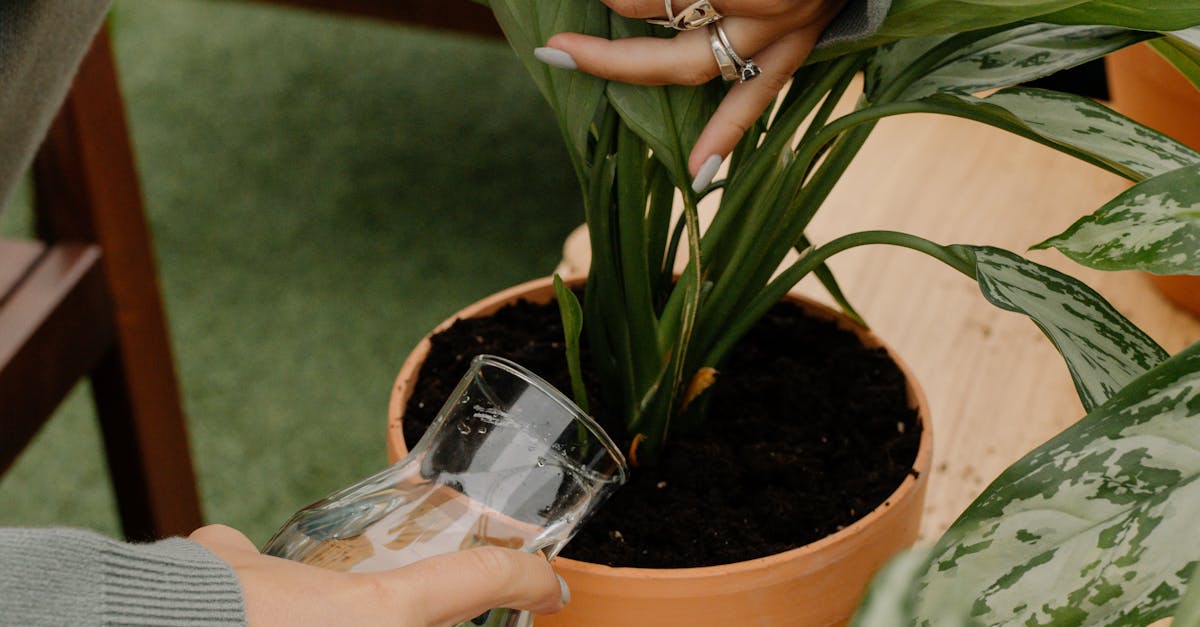
Maintaining healthy soil is essential for the long-term success of your balcony container garden. By following proper watering techniques, implementing a regular feeding schedule, and conducting occasional soil tests, you can ensure that your plants have the nutrients and conditions they need to thrive.
Watering is one of the most important aspects of soil maintenance. Overwatering can lead to root rot and other problems, while underwatering can stunt plant growth and make them more susceptible to pests and diseases. The best way to water container plants is to check the soil regularly and water deeply when the top inch or two of soil feels dry to the touch.
Feeding your container plants regularly is also essential for maintaining healthy soil. As plants grow, they absorb nutrients from the soil, so it’s important to replenish these nutrients on a regular basis. The type and frequency of feeding will depend on the specific plants you are growing, but a general rule of thumb is to fertilize every two to four weeks during the growing season.
Finally, it’s a good idea to conduct occasional soil tests to monitor the pH level and nutrient content of your soil. This will help you identify any potential problems and make adjustments to your watering and feeding practices accordingly. Soil testing kits are available at most garden centers and are relatively easy to use.
By following these tips, you can maintain healthy soil and ensure that your balcony container garden thrives for seasons to come.
5. 5. Troubleshooting Common Soil Issues
Even with the best care and maintenance, soil problems can arise in container gardens. Compaction, nutrient deficiencies, and pH imbalances are common issues that can affect plant growth and health. By understanding the symptoms and causes of these problems, you can take steps to address them and restore the vitality of your soil.
Compacted soil occurs when the soil particles are pressed together too tightly, reducing pore space and restricting water and air movement. This can lead to poor root development and stunted plant growth. To alleviate compaction, gently loosen the soil around your plants using a trowel or fork. You can also add organic matter, such as compost or peat moss, to improve soil structure and drainage.
Nutrient deficiencies occur when the soil does not contain enough of the essential nutrients that plants need to grow. Symptoms of nutrient deficiencies vary depending on the nutrient that is lacking, but they can include yellowing leaves, stunted growth, and poor flowering. To correct nutrient deficiencies, fertilize your plants regularly with a balanced fertilizer.
pH imbalances occur when the soil is too acidic or too alkaline. Most plants prefer a slightly acidic soil pH, between 6.0 and 7.0. If the soil pH is too low (acidic), you can add lime to raise it. If the soil pH is too high (alkaline), you can add sulfur to lower it. It’s important to test your soil pH before making any adjustments, as adding too much lime or sulfur can further damage the soil.
By addressing common soil problems, you can create a healthy and thriving environment for your balcony container garden plants.
Quiz: Test Your Understanding
-
True or False: Potting mix is typically heavier and more compact than garden soil.
-
Which of the following is NOT an essential soil amendment for optimal growth in container gardens?
(a) Organic matter
(b) Perlite
(c) Gravel
(d) Compost
-
What is the ideal pH range for most container garden plants?
(a) 4.0-5.0
(b) 6.0-7.0
(c) 7.5-8.5
(d) 9.0-10.0
-
False
-
(c) Gravel
-
(b) 6.0-7.0
Give Your Balcony Garden a Fresh Start: Updating Your Plant Arrangement for a Vibrant Outdoor Space Living in an urban Read more
A Comprehensive Guide to Selecting the Perfect Containers for Your Balcony Oasis Container gardening is an excellent way to bring Read more
Balcony Orchards: Growing Fruit Trees in Your Urban Oasis Growing a mini fruit tree on your balcony is an increasingly Read more
Unlocking the Potential of Your Balcony: A Weighty Consideration for Gardeners Assessing Balcony Weight Capacity for Gardening: A Comprehensive Guide Read more