
Balcony Orchards: Growing Fruit Trees in Your Urban Oasis
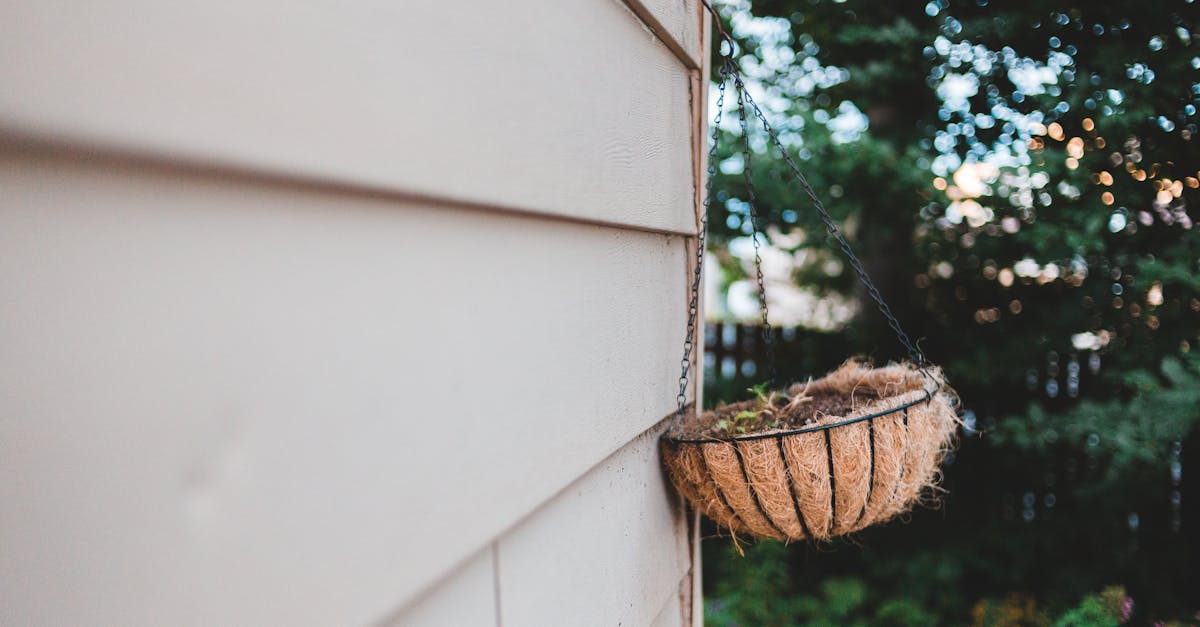
Growing a mini fruit tree on your balcony is an increasingly popular and rewarding endeavor. These compact trees offer the joy of homegrown fruit without the need for a sprawling backyard garden. Let’s explore the wonderful world of mini fruit trees for balcony gardening, from selecting the right varieties to creating an optimal environment and enjoying the fruits of your labor.
The allure of mini fruit trees for balcony gardeners is undeniable. They bring a touch of nature to urban spaces, add visual interest, and provide a healthy source of fresh produce. With careful consideration of size, sunlight requirements, and pollination needs, you can choose the perfect mini fruit tree for your balcony.
Creating an optimal environment for your balcony fruit tree is key. Selecting a location with adequate sunlight and protection from wind is essential. Proper container size and drainage are also crucial factors in ensuring the health and productivity of your tree. By providing the right conditions, you can create a thriving mini orchard on your balcony.
1. The Allure of Mini Fruit Trees for Balcony Gardens
Mini fruit trees are gaining immense popularity among urban dwellers and balcony gardeners due to their numerous advantages. These compact trees offer a host of benefits that make them ideal for growing in limited spaces, such as balconies and patios.
One of the primary advantages of mini fruit trees is their space-saving nature. Unlike their larger counterparts, these trees are bred to remain petite, making them suitable for even the smallest of balconies. By growing mini fruit trees in containers, you can create a vertical garden, maximizing your growing space and adding a touch of greenery to your urban oasis.
Moreover, mini fruit trees possess ornamental value, adding aesthetic appeal to your balcony. Their attractive foliage and vibrant blooms can transform your balcony into a delightful haven. The presence of ripening fruits further enhances their visual charm, creating a sense of abundance and freshness. By carefully selecting varieties with staggered ripening times, you can enjoy a continuous supply of fresh, homegrown fruit throughout the season.
2. Choosing the Right Mini Fruit Tree Varieties
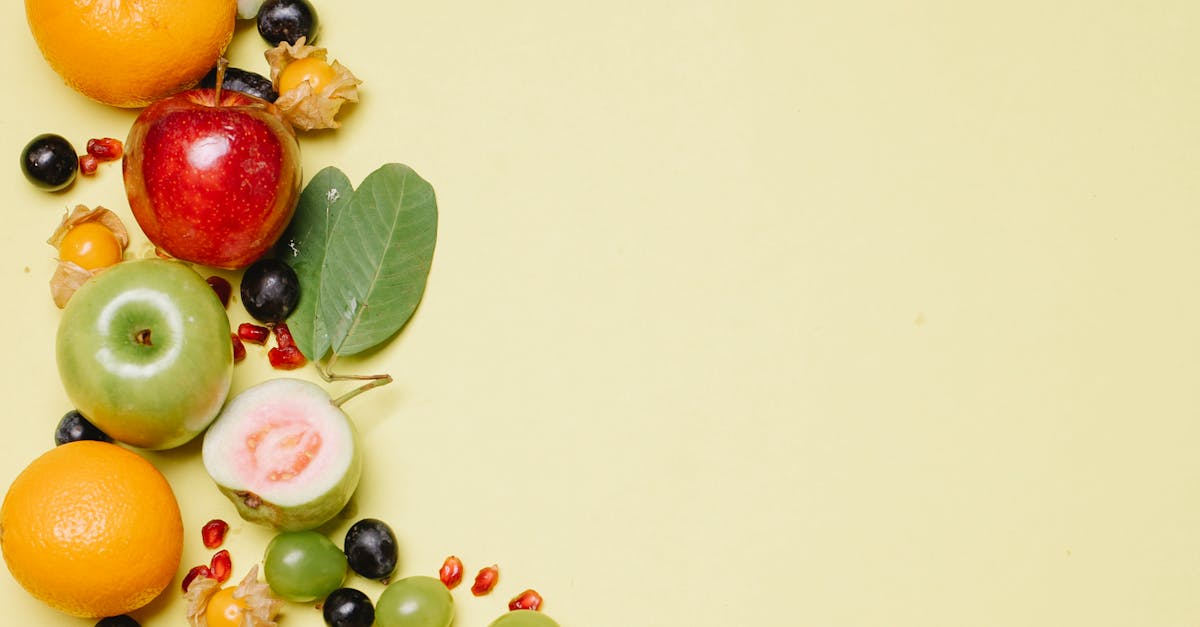
Selecting the right mini fruit tree varieties for your balcony garden is crucial for success. Here are some key factors to consider:
Size: Mini fruit trees are available in a range of sizes, so it’s important to choose varieties that are suitable for the dimensions of your balcony. Consider the height and spread of the tree at maturity to ensure it will have adequate space to grow and produce fruit.
Fruiting potential: Different varieties of mini fruit trees have varying fruiting potential. Research the expected yield of each variety to ensure you choose a tree that will provide a sufficient harvest for your needs. Factors such as pollination requirements and climate suitability should also be taken into account.
Sunlight requirements: Mini fruit trees generally require plenty of sunlight to produce fruit, so choose varieties that are well-suited to the amount of sunlight your balcony receives. If your balcony has limited sunlight, consider shade-tolerant varieties or espaliering techniques to maximize sun exposure.
Dwarf and Semi-Dwarf Varieties
Dwarf and Semi-Dwarf Varieties:
When selecting mini fruit trees for balcony containers, dwarf and semi-dwarf varieties are excellent choices due to their compact size and suitability for container growing. Dwarf fruit trees typically reach a height of 6-8 feet at maturity, while semi-dwarf trees can grow slightly taller, reaching heights of 8-12 feet.
Dwarf varieties are ideal for balconies with limited space, as they require less room to grow and produce fruit. Some popular dwarf varieties include: Patio Peach, Dwarf Meyer Lemon, and Dwarf Pomegranate. Semi-dwarf varieties offer a slightly larger yield and can be a good option for balconies with a bit more space. Common semi-dwarf varieties include: Semi-Dwarf Apple, Semi-Dwarf Apricot, and Semi-Dwarf Cherry.
Dwarf and semi-dwarf fruit trees are bred to maintain a smaller size while still producing high-quality fruit. They are well-suited to container growing and can be easily managed on a balcony, making them a great choice for urban gardeners and those with limited space.
Fruiting Requirements and Pollination
Fruiting Requirements and Pollination:
Pollination plays a crucial role in fruit production for many varieties of mini fruit trees. When pollen is transferred from the male anther to the female stigma of a flower, fertilization can occur, leading to the development of fruit. Understanding the pollination requirements of your chosen fruit tree variety is essential for successful fruit production.
Some mini fruit trees, such as Patio Peach and Self-Pollinating Apricot, are self-fertile, meaning they can produce fruit without the need for a pollinator. However, many other varieties, including Semi-Dwarf Apple and Dwarf Cherry, require cross-pollination to set fruit. Cross-pollination occurs when pollen is transferred between two different varieties of the same fruit tree species. If you plan to grow a cross-pollinating variety, it’s important to plant two compatible varieties that bloom at the same time to ensure proper pollination.
Companion planting can also play a beneficial role in pollination. Planting flowers or other fruit trees that attract pollinators, such as bees and butterflies, can help increase the likelihood of successful pollination and fruit production. Incorporating fragrant herbs like rosemary, lavender, or oregano into your balcony garden can further enhance pollination by attracting beneficial insects.
3. Creating the Optimal Balcony Environment
Creating the Optimal Balcony Environment:
Selecting the right location for your mini fruit trees on your balcony is essential for their growth and productivity. Here are some key factors to consider:
Sunlight: Most mini fruit trees require at least six hours of direct sunlight per day to produce fruit. Choose a balcony location that receives ample sunlight throughout the day, especially during the growing season. If your balcony has limited sunlight, consider growing shade-tolerant varieties or using reflective surfaces to maximize sun exposure.
Drainage: Proper drainage is crucial to prevent root rot and other issues. Choose a balcony with well-draining soil or invest in containers with drainage holes. You may also consider using raised beds or placing a layer of gravel at the bottom of containers to improve drainage.
Wind protection: Strong winds can damage fruit trees, especially young ones. If your balcony is exposed to strong winds, consider using windbreaks such as trellises, privacy screens, or nearby buildings to protect your trees. Additionally, staking or securing your trees to a sturdy structure can provide stability and prevent them from toppling over.
Sunlight and Container Size
Sunlight and Container Size:
The amount of sunlight your mini fruit tree receives directly impacts its growth and productivity. When choosing a container for your tree, consider its sunlight requirements and the amount of sunlight your balcony receives.
A larger container allows for a larger root system, which can support a larger tree and potentially produce more fruit. However, larger containers may also limit sunlight exposure, especially if placed too close to walls or other structures. In such cases, it’s important to choose a container that is wide enough to accommodate the root system while still allowing for sufficient sunlight to reach the foliage.
For balconies with limited sunlight, opting for smaller containers or using reflective surfaces to maximize sun exposure can be beneficial. Additionally, placing your tree on a raised platform or using a trellis to train it vertically can help increase sunlight exposure by elevating the foliage closer to the light source.
4. Essential Care and Maintenance

Essential Care and Maintenance:
Providing proper care and maintenance is essential for the health and productivity of your container-grown mini fruit trees. Here are some key aspects to consider:
Watering: Water your fruit trees regularly, especially during hot and dry weather. The frequency of watering will depend on the size of the container, the type of soil, and the climate. Generally, it’s best to water when the top inch or two of soil feels dry to the touch. Avoid overwatering, as this can lead to root rot and other issues.
Fertilizing: Fertilize your fruit trees regularly to provide them with the nutrients they need for growth and fruiting. Use a balanced fertilizer specifically formulated for fruit trees and follow the instructions on the package. Avoid over-fertilizing, as this can damage the roots.
Pest management: Monitor your fruit trees regularly for pests and diseases. Common pests of fruit trees include aphids, scale, and spider mites. Treat infestations promptly using organic methods such as insecticidal soap or neem oil. Neem oil has insecticidal and fungicidal properties. It is cold pressed from the seeds of the neem tree, Azadirachta indica. Maintaining good overall plant health through proper watering, fertilizing, and sunlight exposure can also help prevent pest infestations.
Watering and Fertilizing
Watering and Fertilizing:
Watering: The frequency and amount of watering required for container-grown mini fruit trees depend on several factors, including the size of the container, drainage, and weather conditions. As a general rule, water your trees when the top inch or two of soil feels dry to the touch. Avoid overwatering, as this can lead to root rot and other issues.
For smaller containers, you may need to water more frequently, especially during hot and dry weather. Larger containers can hold more water and may require less frequent watering. If your containers have good drainage, excess water will drain out easily, reducing the risk of overwatering. In rainy or humid climates, you may need to water less frequently.
Fertilizing: Fertilize your mini fruit trees regularly to provide them with the nutrients they need for healthy growth and fruiting. Choose a balanced fertilizer specifically formulated for fruit trees and follow the instructions on the package. Avoid over-fertilizing, as this can damage the roots. A good rule of thumb is to fertilize your trees once a month during the growing season (spring and summer).
Pest Management
Pest Management:
Growing fruit trees on your balcony provides a wonderful opportunity to enjoy fresh produce, but it’s important to be aware of common pests that may affect your trees. Here are some eco-friendly methods for prevention and control:
Prevention:
-
Choose pest-resistant varieties of fruit trees when possible.
-
Keep your trees healthy and vigorous by providing proper watering, fertilizing, and sunlight.
-
Inspect your trees regularly for signs of pests and diseases, and take prompt action to address any issues.
-
Encourage beneficial insects into your balcony garden by planting flowers that attract them, such as marigolds, zinnias, and lavender. Beneficial insects can help control pests naturally.
Control:
-
Use insecticidal soap or neem oil to control aphids, scale, and other common pests. These products are relatively safe for use around food crops and can be effective in controlling infestations.
-
For larger infestations, you may need to use a stronger pesticide. Be sure to follow the instructions on the product label carefully and take precautions to protect yourself and your environment.
-
Keep your balcony clean and free of fallen fruit and other debris, as this can attract pests.
5. Harvesting and Enjoying the Fruits of Your Labor
Harvesting and Enjoying the Fruits of Your Labor:
Harvesting fresh fruit from your balcony garden is a rewarding experience that provides you with delicious, homegrown produce. Here are some tips for harvesting and storing your fruit:
Harvesting:
-
Most fruits are ready to harvest when they are fully colored and have a slight give when gently squeezed.
-
Different fruits have different ripening indicators, so it’s important to research the specific varieties you are growing.
-
Avoid harvesting fruit that is damaged or has signs of disease.
-
Use sharp, clean shears or scissors to harvest your fruit, and cut the stems close to the fruit.
Storage:
-
Store your fruit in a cool, dark place, such as a refrigerator or pantry.
-
Some fruits, such as apples and pears, can be stored for several months in a cool, well-ventilated area.
-
Other fruits, such as berries and peaches, are more perishable and should be eaten or processed within a few days of harvesting.
-
To extend the shelf life of your fruit, you can freeze or can it. Freezing is a great way to preserve fruit for several months, while canning allows you to enjoy your fruit all year round.
Recognizing Ripeness
Recognizing Ripeness:
Harvesting fruit at the right time is crucial to ensure optimal flavor and texture. Here are some general signs of ripeness to look for, although specific indicators may vary depending on the fruit variety:
-
Color: Most fruits change color as they ripen. For example, apples turn from green to red, and bananas turn from green to yellow.
-
Smell: Ripe fruits often emit a sweet, fragrant smell.
-
Touch: Ripe fruits may feel slightly soft when gently squeezed. However, avoid squeezing too hard, as this can bruise the fruit.
-
Taste: If you’re not sure whether a fruit is ripe, you can always taste a small piece. Ripe fruits should be sweet and juicy.
Harvesting fruit at the right time is important for several reasons. Firstly, ripe fruits have the best flavor and texture. Secondly, harvesting fruits too early can result in poor flavor development and a shorter shelf life. Thirdly, harvesting fruits too late can make them more susceptible to pests and diseases.
By observing the signs of ripeness and harvesting your fruit at the right time, you can enjoy the delicious rewards of your balcony garden to the fullest.
Storage and Preservation
Storage and Preservation:
Proper storage and preservation techniques are essential to extend the shelf life of your harvested fruit and prevent spoilage:
Refrigeration:
- Many fruits, such as berries, cherries, and grapes, can be stored in the refrigerator for several days or even weeks. Wrap the fruit loosely in plastic wrap or place it in a sealed container to maintain freshness and prevent dehydration.
Freezing:
-
Freezing is a great way to preserve fruit for several months. Simply wash, pit, and slice the fruit, then spread it on a baking sheet and freeze for several hours. Once frozen, transfer the fruit to freezer-safe bags or containers.
-
You can also freeze fruit in syrup or puree form. To make fruit syrup, simply combine equal parts fruit and sugar in a saucepan and bring to a boil. Reduce heat and simmer for 10 minutes, then let cool and store in the refrigerator or freezer.
-
To make fruit puree, simply blend the fruit until smooth. You can add a little sugar or lemon juice to taste. Store the puree in the refrigerator or freezer.
Other Storage Methods:
-
Some fruits, such as apples and pears, can be stored at room temperature for several weeks. Place them in a cool, dark place with good ventilation.
-
You can also store fruit in a fruit bowl on the counter. However, avoid placing fruit near heat sources or direct sunlight, as this can cause it to ripen too quickly.
By following these storage and preservation techniques, you can enjoy your homegrown fruit for weeks or even months to come.
Quiz:
-
True or False: Mini fruit trees are only suitable for growing in backyards.
-
Which of the following factors is NOT important to consider when choosing mini fruit tree varieties for balcony containers?
(a) Size (b) Fruiting potential (c) Sunlight requirements (d) Tree height
- What is the primary role of pollination in fruit production?
(a) To transfer pollen from the male anther to the female stigma (b) To provide nutrients to the fruit (c) To protect the fruit from pests (d) To enhance the flavor of the fruit
- Which of the following is NOT an eco-friendly method for pest control on balcony-grown fruit trees?
(a) Insecticidal soap (b) Neem oil (c) Chemical pesticides (d) Beneficial insects
- What is the benefit of harvesting fruit at the right time?
(a) Optimal flavor and texture (b) Longer shelf life (c) Reduced susceptibility to pests and diseases (d) All of the above
Answer Key:
- False
- (d)
- (a)
- (c)
- (d)
Give Your Balcony Garden a Fresh Start: Updating Your Plant Arrangement for a Vibrant Outdoor Space Living in an urban Read more
A Comprehensive Guide to Selecting the Perfect Containers for Your Balcony Oasis Container gardening is an excellent way to bring Read more
Unlocking the Potential of Your Balcony: A Weighty Consideration for Gardeners Assessing Balcony Weight Capacity for Gardening: A Comprehensive Guide Read more
The Art of Composting on Your Balcony: A Guide to Sustainable Living Transform Your Balcony into a Sustainable Composting Haven: Read more