
Organic Solutions for Thriving Balcony Gardens

Organic Fertilizers for Balcony Gardens: A Comprehensive Guide.
Balcony gardening has become increasingly popular in recent years, as more and more people are looking for ways to grow their own food in small spaces. Organic fertilizers are an excellent option for balcony gardens, as they are natural and sustainable, and they can help to improve the health and productivity of your plants.
This comprehensive guide will provide you with all the information you need to know about using organic fertilizers for balcony gardens. We will cover the benefits of organic fertilizers, the essential nutrients that your plants need, and the different types of organic fertilizers available. We will also provide you with instructions on how to compost your own organic fertilizer, and we will share our best practices for fertilizing balcony gardens.
1. Understanding Organic Fertilizers for Balcony Gardens
Understanding Organic Fertilizers for Balcony Gardens
Organic fertilizers are natural fertilizers that are derived from plant or animal materials. They are an excellent option for balcony gardens because they are gentle on plants, they improve the soil structure, and they can help to reduce the risk of pests and diseases.
There are many different types of organic fertilizers available, including compost, manure, bone meal, and seaweed extract. Each type of fertilizer has its own unique benefits, so it is important to choose the right one for your plants.
When choosing an organic fertilizer for your balcony garden, it is important to consider the following factors:
- The type of plants you are growing
- The size of your balcony garden
- The amount of time you have available to fertilize your plants
Benefits of Organic Fertilizers
- Organic fertilizers are natural and sustainable.
- Organic fertilizers improve the soil structure.
- Organic fertilizers can help to reduce the risk of pests and diseases.
- Organic fertilizers are gentle on plants.
- Organic fertilizers can help to improve the flavor of your vegetables and fruits.
2. Essential Nutrients for Balcony Garden Plants

Essential Nutrients for Balcony Garden Plants
All plants need essential nutrients to grow and develop properly. These nutrients can be divided into two categories: macronutrients and micronutrients.
Macronutrients are the nutrients that plants need in the largest quantities. They include nitrogen, phosphorus, and potassium. These nutrients are essential for plant growth, flowering, and fruiting.
Micronutrients are the nutrients that plants need in smaller quantities. They include calcium, magnesium, sulfur, iron, manganese, zinc, boron, copper, and molybdenum. These nutrients are essential for plant growth and development, and they can help to improve the quality of your vegetables and fruits.
The best way to ensure that your balcony garden plants are getting the nutrients they need is to use a balanced organic fertilizer. Organic fertilizers contain all of the essential nutrients that plants need, and they are released slowly over time, so they will not burn your plants.
Here is a summary of the essential nutrients for balcony garden plants:
- Nitrogen is essential for plant growth and development. It is a component of chlorophyll, the green pigment that plants use to photosynthesize. Nitrogen also helps to produce proteins, enzymes, and nucleic acids.
- Phosphorus is essential for plant growth and development. It is a component of cell walls, cell membranes, and DNA. Phosphorus also helps to produce ATP, the energy currency of cells.
- Potassium is essential for plant growth and development. It is a component of enzymes, proteins, and cell walls. Potassium also helps to regulate water uptake and transport.
- Calcium is essential for plant growth and development. It is a component of cell walls and membranes. Calcium also helps to regulate water uptake and transport.
- Magnesium is essential for plant growth and development. It is a component of chlorophyll and enzymes. Magnesium also helps to regulate water uptake and transport.
- Sulfur is essential for plant growth and development. It is a component of proteins and enzymes. Sulfur also helps to regulate water uptake and transport.
By providing your balcony garden plants with the essential nutrients they need, you can help them to grow and develop to their full potential.
3. Types of Organic Fertilizers
Types of Organic Fertilizers
There are a wide variety of organic fertilizers available, each with its own unique properties and applications. Some of the most common types of organic fertilizers include:
- Compost: Compost is a nutrient-rich material that is made from decomposed organic matter, such as food scraps, yard waste, and paper products. Compost is an excellent source of nitrogen, phosphorus, and potassium, and it can also help to improve the soil structure and water retention.
- Manure: Manure is the excrement of animals, such as cows, horses, and chickens. Manure is a good source of nitrogen, phosphorus, and potassium, and it can also help to improve the soil structure. However, manure should be composted before it is applied to plants, as it can contain harmful bacteria.
- Bone meal: Bone meal is a natural fertilizer that is made from ground-up animal bones. Bone meal is a good source of phosphorus and calcium, and it can also help to improve the soil structure. Bone meal is a good choice for plants that need a lot of phosphorus, such as tomatoes and peppers.
- Seaweed extract: Seaweed extract is a liquid fertilizer that is made from seaweed. Seaweed extract is a good source of nitrogen, phosphorus, and potassium, and it also contains a variety of micronutrients. Seaweed extract can help to improve the overall health and vitality of plants.
- Blood meal: Blood meal is a natural fertilizer that is made from dried blood. Blood meal is a good source of nitrogen, and it can also help to improve the soil structure. Blood meal is a good choice for plants that need a lot of nitrogen, such as leafy greens and corn.
- Feather meal: Feather meal is a natural fertilizer that is made from dried feathers. Feather meal is a good source of nitrogen, and it can also help to improve the soil structure. Feather meal is a good choice for plants that need a lot of nitrogen, such as roses and azaleas.
When choosing an organic fertilizer, it is important to consider the type of plants you are growing, the size of your garden, and the amount of time you have available to fertilize your plants. With so many different types of organic fertilizers available, you are sure to find one that is right for your needs.
4. Composting for Balcony Gardens
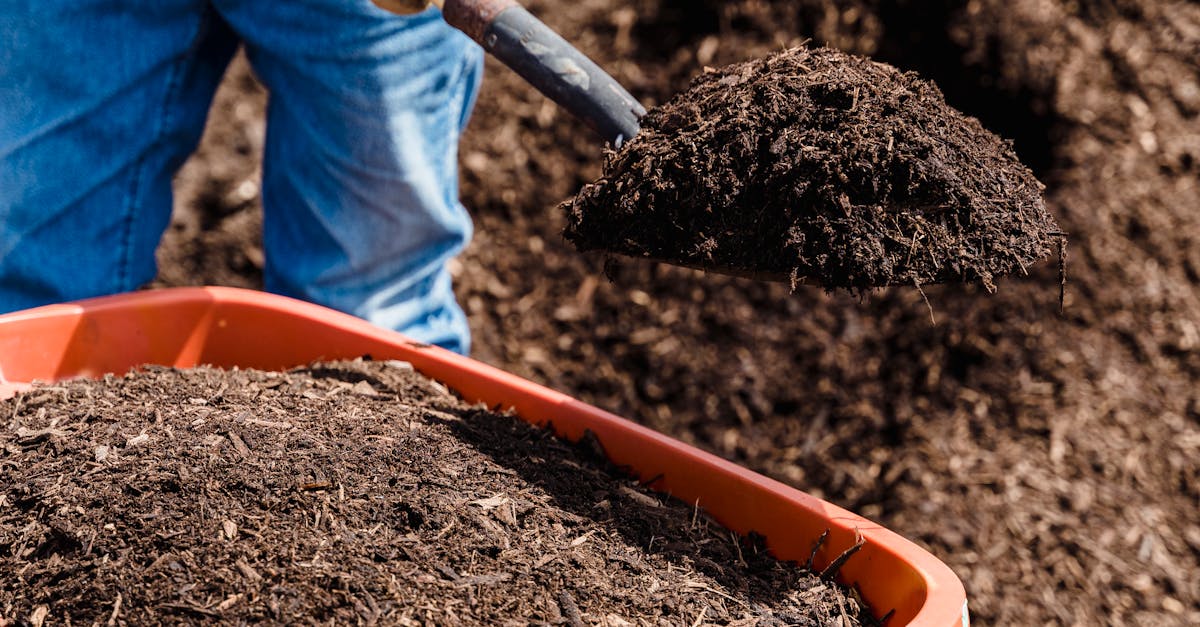
Composting for Balcony Gardens
Composting is a sustainable way to create nutrient-rich organic fertilizer from kitchen scraps and garden waste. It is a great way to reduce your environmental impact and provide your balcony garden plants with the nutrients they need to thrive.
There are many different ways to compost, but the most common method for balcony gardens is to use a compost bin. Compost bins are available in a variety of sizes and styles, so you can choose one that is right for your space. Once you have a compost bin, you can start adding your kitchen scraps and garden waste to it. Some good materials to compost include:
- Fruit and vegetable peels
- Coffee grounds and tea bags
- Eggshells
- Grass clippings
- Leaves
- Paper products
It is important to avoid adding meat, dairy, or pet waste to your compost bin, as these materials can attract pests and diseases. Once you have added your materials to the compost bin, you need to turn it regularly to aerate it. This will help the composting process to happen more quickly. In a few months, your compost will be ready to use.
Compost can be used to fertilize your balcony garden plants in a variety of ways. You can add it to the soil when you are planting new plants, or you can use it as a top dressing around established plants. Compost can also be used to make compost tea, which is a liquid fertilizer that can be applied to plants directly.
Composting is a great way to reduce your environmental impact and provide your balcony garden plants with the nutrients they need to thrive. With a little effort, you can easily create your own compost and enjoy the benefits of this sustainable practice.
5. Best Practices for Fertilizing Balcony Gardens
Best Practices for Fertilizing Balcony Gardens
Fertilizing your balcony garden plants is essential for ensuring their health and productivity. However, it is important to fertilize your plants correctly, as over-fertilizing can be harmful.
Here are some best practices for fertilizing balcony gardens:
- Choose the right fertilizer. There are many different types of fertilizers available, so it is important to choose one that is right for your plants. For balcony gardens, organic fertilizers are a good choice. Organic fertilizers are gentle on plants and they do not contain harsh chemicals.
- Fertilize at the right time. The best time to fertilize your balcony garden plants is during the growing season, which is typically from spring to fall. You should fertilize your plants every few weeks during this time.
- Fertilize at the right rate. It is important to fertilize your plants at the right rate. Over-fertilizing can damage your plants, so it is always better to err on the side of caution. Follow the instructions on the fertilizer package to determine the correct rate for your plants.
- Water your plants after fertilizing. Watering your plants after fertilizing will help to distribute the fertilizer evenly and prevent it from burning the roots of your plants.
- Avoid over-fertilizing. Over-fertilizing can be harmful to your plants. Symptoms of over-fertilizing include stunted growth, yellowing leaves, and brown leaf tips. If you think you have over-fertilized your plants, you should flush the soil with water to remove the excess fertilizer.
By following these best practices, you can ensure that your balcony garden plants are getting the nutrients they need to thrive.
Quiz
- True or False: Organic fertilizers are made from natural materials.
- Which of the following is NOT a macronutrient? (a) Nitrogen (b) Phosphorus (c) Magnesium (d) Potassium
- What is the best way to ensure that your balcony garden plants are getting the nutrients they need? (a) Fertilize them every day. (b) Use a balanced organic fertilizer. (c) Over-fertilize them to be safe. (d) Only fertilize them when they look unhealthy.
- What is the most common method for composting in balcony gardens? (a) Vermicomposting (b) Cold composting (c) Hot composting (d) Using a compost bin
- True or False: Over-fertilizing can be harmful to plants.
Answer Key
- True
- (c) Magnesium
- (b) Use a balanced organic fertilizer.
- (d) Using a compost bin
- True
Answer Key
- True
- (c) Magnesium
- (b) Use a balanced organic fertilizer.
- (d) Using a compost bin
- True
Unleashing the Potential of Smart Garden Technology for Balcony Gardening With the rise of smart technology, balcony gardening has become Read more
Enhancing Balcony Living with Fruitful Delights: A Guide to Cultivating Dwarf Fruit Trees in Urban Spaces Unveiling the Enchanting World Read more
Unlocking the Potential of Balcony Gardening: Innovative Techniques for Flourishing Greenery in Urban Spaces Balcony gardening has become increasingly popular Read more
Maximize Balcony Gardening with the Wonders of Hydroponics Balcony gardening has become increasingly popular in recent years, offering urban dwellers Read more