
Unlocking the Potential of Balcony Gardening: Innovative Techniques for Flourishing Greenery in Urban Spaces
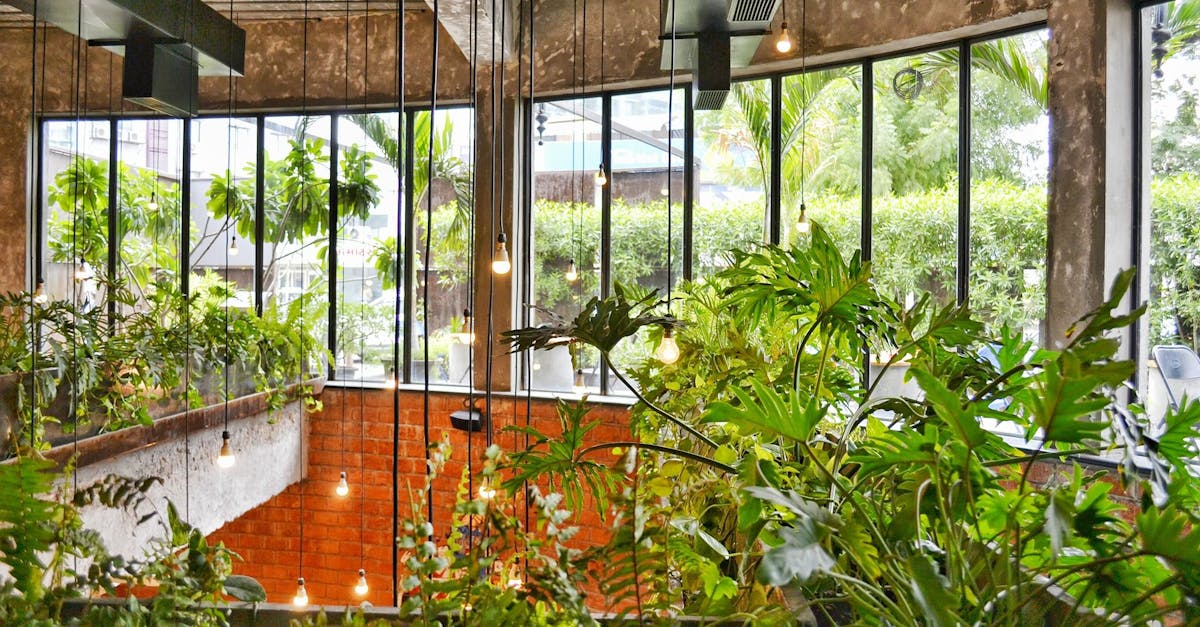
Balcony gardening has become increasingly popular in recent years as more people seek to bring the beauty and benefits of nature into their urban spaces. However, creating a thriving balcony garden can be challenging, especially when space is limited. This article presents innovative techniques that can help balcony gardeners maximize space, improve plant health, and increase yields. From vertical gardening systems to smart irrigation solutions, container gardening options to hydroponic setups, and integrated pest management strategies, this comprehensive guide will empower you to create a thriving balcony garden that will provide years of enjoyment and well-being.
Balcony gardening offers a plethora of benefits, including improved air quality, enhanced physical and mental health, and increased food security. Additionally, gardening provides opportunities for relaxation, creativity, and social interaction. Embrace the transformative power of balcony gardening and unlock a world of possibilities in your own urban oasis.
As we navigate the challenges of urban living, innovative balcony gardening techniques offer creative solutions for cultivating a thriving sanctuary amidst the concrete jungle. By embracing vertical gardening systems, smart irrigation systems, diverse container gardening options, controlled hydroponic environments, and sustainable integrated pest management strategies, we can not only beautify our balconies but also contribute to a greener, healthier, and more sustainable urban environment.
1. Vertical Gardening: Maximizing Space and Sunlight
Vertical gardening systems have emerged as innovative solutions for maximizing space and increasing greenery in urban environments, particularly on balconies with limited horizontal space. These systems allow you to grow plants vertically, creating lush green walls and utilizing vertical space that would otherwise go unused.
Vertical gardening offers numerous advantages for balcony gardeners. Firstly, it allows for increased plant density, enabling you to grow a wider variety and quantity of plants in a compact area. Secondly, vertical gardening systems improve air circulation around plants, reducing the risk of pests and diseases. Finally, by positioning plants vertically, you can optimize sunlight exposure for each plant, ensuring they receive the light they need for optimal growth and productivity.
There are various types of vertical gardening systems available to suit different balcony spaces and plant species. Living walls are a popular option, providing a vertical surface covered in plants that can be easily attached to walls or fences. Trellises are another versatile choice, allowing you to train climbing plants upwards, creating a vertical green screen or archway. Hanging planters are a great way to add greenery to balconies with limited floor space, and they can be suspended from ceilings, walls, or railings.
Benefits of Vertical Gardening
Vertical gardening offers a multitude of benefits for balcony gardeners, making it an increasingly popular choice for urban greening. Here are the key advantages of vertical gardening:
Increased Plant Density: Vertical gardening systems allow you to grow more plants in a smaller space compared to traditional horizontal gardening. By utilizing vertical space, you can maximize the number of plants on your balcony, creating a lush and productive garden even in limited areas.
Improved Air Circulation: Vertical gardening systems promote better air circulation around plants. This is because the vertical orientation allows air to flow more freely between plants, reducing the risk of pests and diseases. Good air circulation helps to keep plants healthy and prevents issues such as mold and mildew.
Optimal Sunlight Exposure: Vertical gardening systems enable you to position plants at different heights, ensuring that each plant receives the optimal amount of sunlight it needs for growth and productivity. By arranging plants vertically, you can create a layered effect that allows sunlight to penetrate the entire garden, maximizing photosynthesis and plant health.
Choosing the Right Vertical Gardening System
Choosing the right vertical gardening system for your balcony depends on several factors, including the available space, the types of plants you want to grow, and your desired aesthetic. Here are the key considerations when selecting a vertical gardening system:
Available Space: Measure the available space on your balcony and determine the dimensions of the vertical gardening system that will fit comfortably. Consider the height, width, and depth of the system to ensure it complements your balcony’s size and layout.
Plant Species: Different plant species have different growing requirements, so it’s important to choose a vertical gardening system that suits the plants you intend to grow. For example, if you plan to grow climbing plants, you will need a trellis or other support structure. If you want to grow a variety of plants, a modular system that allows for customization may be a better option.
Desired Aesthetics: Vertical gardening systems come in a range of styles and designs, from modern and minimalist to rustic and natural. Choose a system that complements the overall aesthetic of your balcony and personal preferences. Consider the color, texture, and material of the system to ensure it blends seamlessly with your balcony’s décor.
2. Smart Irrigation Systems: Efficient Water Management

Smart irrigation systems have revolutionized the way we water our plants, offering efficient water management and optimal hydration for plants. These systems use sensors to monitor soil moisture levels in real-time and automatically adjust watering schedules accordingly. This ensures that plants receive the right amount of water they need, when they need it, eliminating the risk of overwatering or underwatering.
Smart irrigation systems not only promote plant health but also conserve water, making them an eco-friendly choice for balcony gardeners. By monitoring soil moisture levels, these systems ensure that water is only applied when necessary, reducing water wastage and runoff. This is particularly beneficial in urban areas where water resources may be limited.
There are various types of smart irrigation systems available, each with its own advantages and features. Drip irrigation systems deliver water directly to the base of each plant, minimizing evaporation and water loss. Soaker hoses are another efficient option, providing a slow and steady flow of water along the length of the hose. Timer-controlled sprinklers can be programmed to water plants at specific intervals, offering convenience and flexibility.
Types of Smart Irrigation Systems
Smart irrigation systems come in a variety of types, each designed to meet specific plant needs and garden layouts. Here are the three main types of smart irrigation systems:
Drip Irrigation: Drip irrigation systems deliver water directly to the base of each plant through a network of tubes and emitters. This targeted watering method minimizes evaporation and water loss, making it ideal for water conservation. Drip irrigation systems are particularly well-suited for plants with shallow root systems or those that prefer consistent moisture levels.
Soaker Hoses: Soaker hoses are a simple but effective type of smart irrigation system. They consist of porous tubes that emit water along their entire length. Soaker hoses are placed on the ground or slightly buried, allowing water to seep directly into the soil. This method is suitable for plants with wider root systems or those that require more frequent watering.
Timer-Controlled Sprinklers: Timer-controlled sprinklers are a versatile option that can be used to water a variety of plants. These sprinklers are connected to a timer that allows you to program watering schedules based on your plants’ needs. Timer-controlled sprinklers are a good choice for larger balcony gardens or for plants that require regular, overhead watering.
Benefits of Smart Irrigation Systems
Smart irrigation systems offer a range of benefits for balcony gardeners, including:
Reduced Water Consumption: Smart irrigation systems use sensors to monitor soil moisture levels and adjust watering schedules accordingly, ensuring that plants receive the right amount of water they need, when they need it. This targeted approach eliminates overwatering, which can lead to water wastage and runoff. Smart irrigation systems can significantly reduce water consumption compared to traditional manual watering methods.
Improved Plant Health: Smart irrigation systems help maintain optimal soil moisture levels, which is crucial for plant health and growth. By providing consistent and controlled watering, smart irrigation systems reduce the risk of underwatering or overwatering, which can lead to stress, wilting, and disease. Healthy plants are more productive and have a longer lifespan.
Convenience: Smart irrigation systems automate the watering process, freeing you from manual watering tasks. This is particularly beneficial for balcony gardeners with busy schedules or those who travel frequently. Smart irrigation systems ensure that your plants receive the care they need, even when you’re not around.
3. Container Gardening: Flexibility and Design Options
Container gardening offers unparalleled flexibility and design options for balcony gardeners. By growing plants in containers, you can customize your balcony space to suit your aesthetic preferences and gardening needs. Containers come in a wide range of materials, sizes, and designs, allowing you to create a unique and personalized balcony garden.
One of the key advantages of container gardening is the ability to grow a wider variety of plants. Containers provide a controlled environment that allows you to cater to the specific needs of different plant species. You can choose from a vast selection of flowers, vegetables, herbs, and even small trees to create a diverse and vibrant balcony garden.
Container gardening also offers the flexibility to easily manage plant placement. Containers can be moved around to optimize sunlight exposure, create focal points, or simply change the overall layout of your balcony garden. This makes it easy to experiment with different arrangements and find the perfect spot for each plant.
Choosing the Right Containers
Choosing the right containers is essential for the health and well-being of your plants. When selecting containers for your balcony garden, consider the following factors:
Size: The size of the container should be appropriate for the plant’s root system. A container that is too small will restrict root growth, while a container that is too large can lead to overwatering and root rot. Consider the mature size of the plant when choosing a container.
Drainage: Proper drainage is crucial to prevent waterlogging, which can lead to root rot and other problems. Choose containers with drainage holes in the bottom to allow excess water to escape. You can also add a layer of gravel or pebbles to the bottom of the container to improve drainage.
Material: Containers are made from a variety of materials, including plastic, ceramic, metal, and wood. Each material has its own advantages and disadvantages. Plastic containers are lightweight and inexpensive, but they can be less durable and may fade over time. Ceramic containers are more durable and can retain moisture better, but they are also heavier and more expensive. Metal containers are durable and can be stylish, but they can heat up in the sun and may rust. Wooden containers are natural and attractive, but they require more maintenance and may rot over time.
Vertical Container Gardens
Vertical container gardens are an innovative way to maximize vertical space on your balcony and add visual interest to your outdoor oasis. By growing plants in stacked or hanging containers, you can create a lush and vibrant garden even in limited spaces.
Vertical container gardens offer several advantages over traditional horizontal gardening. Firstly, they allow you to grow more plants in a smaller area, making them ideal for balconies with limited square footage. Secondly, vertical gardens improve air circulation around plants, reducing the risk of pests and diseases. Finally, they can be used to create unique and eye-catching displays, adding a touch of greenery and beauty to your balcony.
There are many different ways to create a vertical container garden. You can use a variety of containers, such as hanging planters, wall-mounted planters, and stacked planters. You can also use different types of plants, such as trailing plants, climbing plants, and compact plants, to create a diverse and visually appealing garden.
4. Hydroponic Gardening: Controlled Environment for Optimal Growth
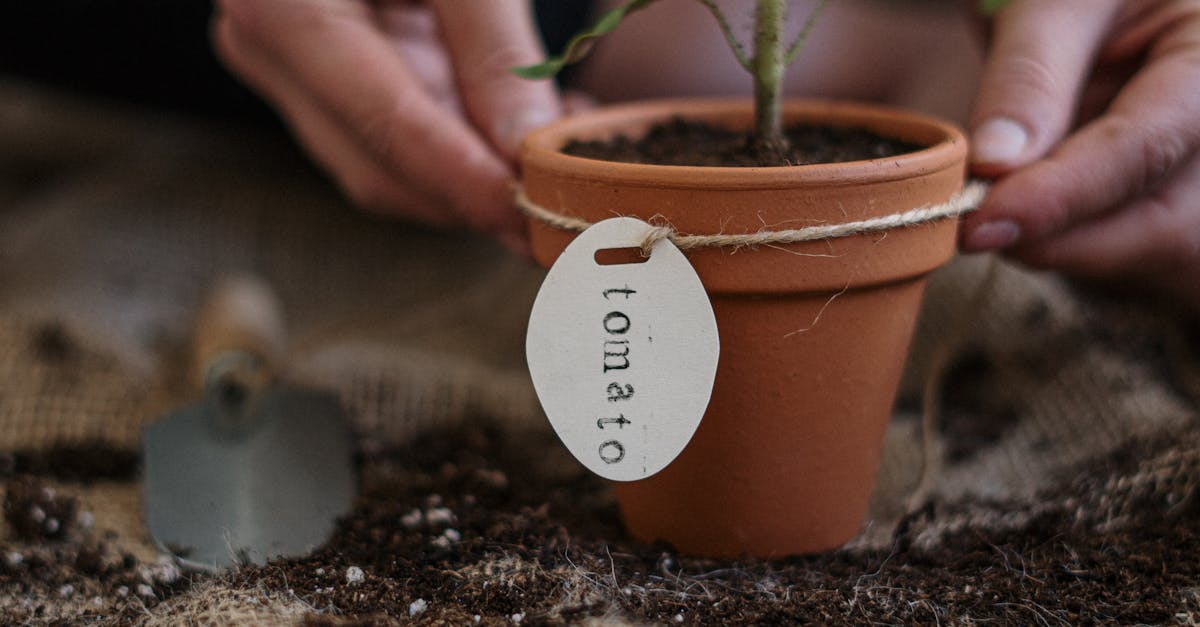
Hydroponic gardening is a cutting-edge technique that involves growing plants in a nutrient-rich water solution instead of soil. This method provides precise control over environmental conditions, allowing you to optimize plant growth and maximize yields.
Hydroponic gardening offers several advantages over traditional soil-based gardening. Firstly, it allows you to control the nutrient levels in the water solution, ensuring that your plants always have access to the nutrients they need. Secondly, hydroponic systems recycle water, which can significantly reduce water consumption compared to traditional gardening methods. Finally, hydroponic gardening can be done indoors or in controlled environments, making it ideal for urban gardeners or those with limited outdoor space.
There are different types of hydroponic systems available, each with its own advantages and disadvantages. Deep water culture (DWC) systems are simple to set up and maintain, but they require a constant supply of oxygen to the roots. Nutrient film technique (NFT) systems are more efficient in terms of water and nutrient use, but they can be more complex to set up and maintain.
Types of Hydroponic Systems
There are various types of hydroponic systems available, each with its own advantages and disadvantages. Here are three of the most common hydroponic systems:
Deep Water Culture (DWC): DWC systems are simple to set up and maintain, making them a good choice for beginners. In a DWC system, plants are suspended in a nutrient-rich water solution with their roots constantly submerged. This method provides excellent oxygenation and nutrient uptake, resulting in fast plant growth.
Nutrient Film Technique (NFT): NFT systems are more efficient in terms of water and nutrient use compared to DWC systems. In an NFT system, a thin film of nutrient-rich water flows over the roots of plants, providing a constant supply of nutrients and oxygen. NFT systems are well-suited for growing leafy greens and herbs.
Aeroponics: Aeroponic systems involve suspending plant roots in the air and misting them with a nutrient-rich water solution. This method provides excellent oxygenation and allows for rapid plant growth. Aeroponic systems are often used for growing high-value crops such as tomatoes and strawberries.
Benefits of Hydroponic Gardening
Hydroponic gardening offers a range of benefits for both hobbyists and commercial growers alike. Here are some of the key advantages of hydroponic gardening:
Increased Growth Rates: Hydroponic systems provide plants with a constant supply of nutrients and oxygen, which leads to faster growth rates compared to traditional soil-based gardening. Plants grown hydroponically can reach maturity up to 50% faster than those grown in soil.
Efficient Use of Resources: Hydroponic systems recycle water and nutrients, resulting in significant savings compared to traditional gardening methods. Hydroponic systems use up to 90% less water than soil-based gardening, and they also require less fertilizer.
Ability to Grow Plants Indoors or in Limited Spaces: Hydroponic systems can be set up indoors or in controlled environments, making them ideal for urban gardeners or those with limited outdoor space. Hydroponic systems allow you to grow plants year-round, regardless of the climate or season.
5. Integrated Pest Management: Sustainable and Eco-Friendly
Integrated pest management (IPM) is a holistic approach to pest control that emphasizes prevention, monitoring, and targeted control measures. IPM aims to minimize the use of harmful chemicals and promote natural pest management techniques to maintain a healthy and balanced ecosystem in your garden.
IPM employs a variety of strategies to manage pests, including:
Prevention: IPM focuses on creating conditions that are less favorable for pests to thrive. This includes practices such as crop rotation, companion planting, and maintaining good garden hygiene.
Monitoring: Regular monitoring of your plants allows you to detect pests early on, when populations are small and easier to control. This can be done through visual inspections, traps, or other monitoring techniques.
Targeted Control: When necessary, IPM employs targeted control measures to manage pests. This may include the use of biological controls, such as beneficial insects or predators, or the use of selective pesticides that minimize harm to beneficial insects and the environment.
Principles of Integrated Pest Management
Integrated Pest Management (IPM) is guided by a set of core principles that emphasize prevention, monitoring, and targeted control measures to manage pests while preserving beneficial insects and promoting a healthy ecosystem:
Prevention: IPM focuses on creating an environment that is less favorable for pests to thrive. This includes practices such as crop rotation, companion planting, and maintaining good garden hygiene. By making your garden less attractive to pests, you can reduce the likelihood of infestations.
Monitoring: Regular monitoring of your plants is crucial for early detection of pests. This allows you to take prompt action before populations grow and cause significant damage. Monitoring can be done through visual inspections, traps, or other monitoring techniques.
Targeted Control: When necessary, IPM employs targeted control measures to manage pests. This may include the use of biological controls, such as beneficial insects or predators, or the use of selective pesticides that minimize harm to beneficial insects and the environment. IPM aims to use control measures that are specific to the target pest, reducing the impact on non-target organisms and the ecosystem.
Benefits of Integrated Pest Management
Implementing Integrated Pest Management (IPM) in balcony gardening offers several benefits:
Reduced Reliance on Chemical Pesticides: IPM minimizes the use of chemical pesticides, which can be harmful to human health and the environment. By relying on natural and targeted control methods, IPM reduces the risk of pesticide contamination and promotes a safer environment for you, your family, and beneficial insects.
Improved Plant Health: IPM practices, such as prevention and monitoring, help maintain healthy plants that are more resistant to pests and diseases. By addressing the underlying causes of pest problems, IPM promotes plant health and vitality, resulting in more productive and visually appealing gardens.
Sustainable Approach: IPM is a sustainable approach to balcony gardening that emphasizes long-term solutions. By focusing on prevention and natural control methods, IPM helps preserve the health of your garden ecosystem, reduces environmental impact, and promotes a more sustainable and eco-friendly gardening practice.
Quiz
- Which of the following is a benefit of vertical gardening?
(a) Increased plant density (b) Improved air circulation (c) Optimal sunlight exposure (d) All of the above
-
True or False: Hydroponic systems require soil to grow plants.
-
Which type of hydroponic system involves suspending plant roots in the air and misting them with a nutrient-rich water solution?
(a) Deep water culture (b) Nutrient film technique (c) Aeroponics
- What is the primary goal of Integrated Pest Management (IPM)?
(a) To eliminate all pests from the garden (b) To minimize the use of chemical pesticides (c) To use only natural pest control methods (d) To increase the number of beneficial insects in the garden
- Which of the following is NOT a principle of IPM?
(a) Prevention (b) Monitoring (c) Indiscriminate use of pesticides (d) Targeted control
Answer Key
- (d) All of the above
- False
- (c) Aeroponics
- (b) To minimize the use of chemical pesticides
- (c) Indiscriminate use of pesticides
Unleashing the Potential of Smart Garden Technology for Balcony Gardening With the rise of smart technology, balcony gardening has become Read more
Enhancing Balcony Living with Fruitful Delights: A Guide to Cultivating Dwarf Fruit Trees in Urban Spaces Unveiling the Enchanting World Read more
Organic Solutions for Thriving Balcony Gardens Organic Fertilizers for Balcony Gardens: A Comprehensive Guide. Balcony gardening has become increasingly popular Read more
Maximize Balcony Gardening with the Wonders of Hydroponics Balcony gardening has become increasingly popular in recent years, offering urban dwellers Read more