
Unlock the Secrets of Effortless Balcony Gardening
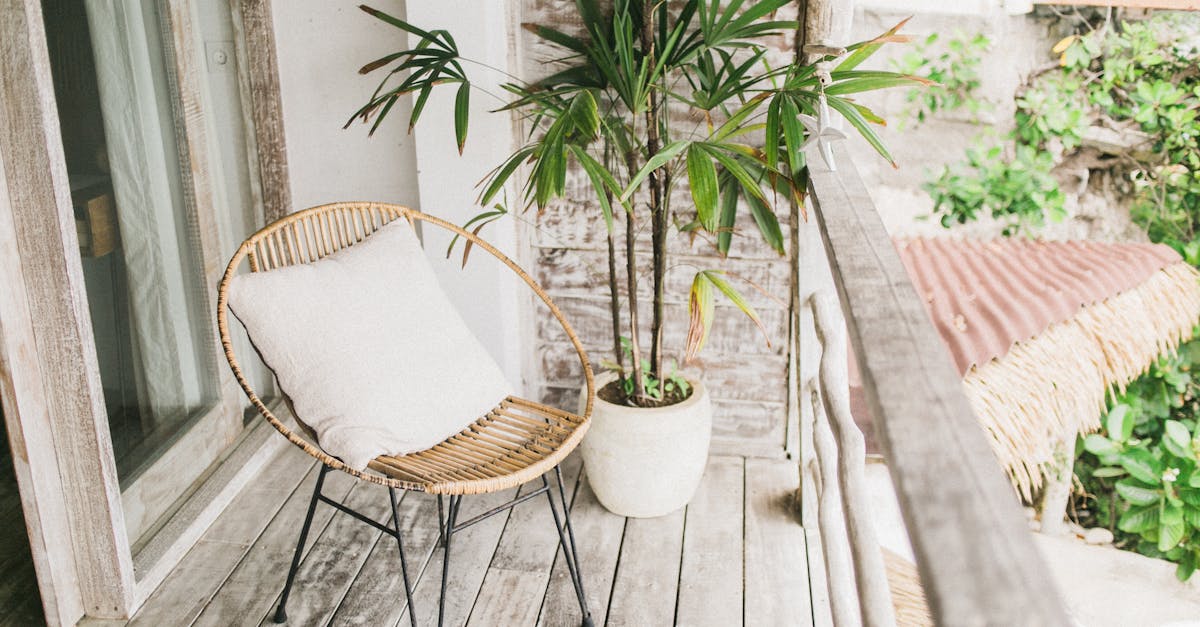
Imagine a lush balcony garden blooming with vibrant flowers and thriving vegetables, all effortlessly maintained by an automatic watering system. Say goodbye to the hassle of manual watering and hello to a thriving oasis right outside your door. In this comprehensive guide, we’ll delve into the world of automatic watering systems, empowering you to create a flourishing balcony garden with minimal effort.
1. Understanding the Benefits of Automatic Watering Systems
Convenience: Automatic watering systems eliminate the need for manual watering, saving you time and effort. Set it up once, and your plants will receive the right amount of water at the right time, even when you’re away on vacation or busy with other tasks.
Water Conservation: These systems can help you conserve water by delivering precise amounts to each plant, preventing overwatering and runoff. This is especially beneficial in areas with water restrictions or during droughts.
Healthier Plants: Automatic watering systems ensure that your plants receive consistent hydration, leading to healthier growth and increased vitality. They prevent underwatering, which can stunt growth and make plants more susceptible to pests and diseases.
2. Choosing the Right Equipment

Timers: Timers are the brains of your automatic watering system, controlling when and for how long your plants are watered. Choose a timer that fits your specific needs, considering factors such as the number of watering zones, watering frequency, and duration.
Hoses: Hoses connect your water source to the watering system. Select hoses that are durable, flexible, and resistant to kinking. The diameter and length of the hoses will depend on the size of your watering system and the distance between the water source and the plants.
Nozzles: Nozzles determine how water is delivered to your plants. Choose nozzles that provide the appropriate flow rate and spray pattern for your specific plants and garden layout. Different types of nozzles include spray nozzles, drip nozzles, and bubbler nozzles.
3. Step-by-Step Installation Guide
Planning: Before you start installing your automatic watering system, it’s important to plan your layout. Determine the location of your water source, the number of watering zones, and the placement of your plants. This will help you determine the length and type of hoses and pipes you need.
Installation: Once you have a plan, you can begin installing your system. Start by connecting the timer to your water source. Then, run hoses from the timer to each watering zone. Finally, attach the nozzles to the hoses and position them near the base of your plants.
Testing: After installation, it’s crucial to test your system to ensure it’s working correctly. Turn on the timer and observe the water flow through each zone. Adjust the nozzles as needed to ensure even coverage. Once you’re satisfied with the performance, your automatic watering system is ready to keep your plants hydrated and thriving.
4. Customizing Watering Schedules

Understanding Plant Needs: Different plants have different watering needs. Consider factors such as plant size, type, and climate when customizing your watering schedule. For example, succulents require less frequent watering than leafy greens.
Monitoring Soil Moisture: Use a soil moisture meter or simply stick your finger in the soil to check its moisture level. This will help you determine when your plants need watering and adjust your schedule accordingly.
Adjusting Watering Frequency and Duration: Based on your observations and understanding of plant needs, adjust the frequency and duration of watering. For example, during hot, dry weather, you may need to water more frequently and for longer periods. Conversely, during cooler, rainy weather, you can reduce watering frequency and duration.
5. Troubleshooting Common Problems
Clogged Nozzles: Clogged nozzles can prevent water from reaching your plants. Regularly inspect and clean nozzles to remove any debris or mineral buildup.
Leaking Hoses or Pipes: Inspect hoses and pipes for any leaks or damage. Tighten connections and replace any damaged components to ensure proper water flow.
Timer Malfunctions: If your timer is not working correctly, your watering schedule will be disrupted. Check the batteries and ensure the timer is programmed accurately. If necessary, replace the timer.
Quiz
1. Which of the following is NOT a benefit of using an automatic watering system?
(a) Convenience (b) Water conservation (c) Reduced plant growth
2. True or False: Different types of plants have different watering needs.
3. What is the first step in troubleshooting a clogged nozzle?
(a) Replace the nozzle (b) Inspect and clean the nozzle (c) Check the timer
4. How can you prevent leaking hoses or pipes in your automatic watering system?
(a) Use high-quality hoses and pipes (b) Inspect and tighten connections regularly (c) Both (a) and (b)
5. What should you do if your timer is not working correctly?
(a) Ignore it (b) Check the batteries and programming (c) Replace the timer
Answer Key
- (c)
- True
- (b)
- (c)
- (b)
Unleashing the Potential of Smart Garden Technology for Balcony Gardening With the rise of smart technology, balcony gardening has become Read more
Enhancing Balcony Living with Fruitful Delights: A Guide to Cultivating Dwarf Fruit Trees in Urban Spaces Unveiling the Enchanting World Read more
Organic Solutions for Thriving Balcony Gardens Organic Fertilizers for Balcony Gardens: A Comprehensive Guide. Balcony gardening has become increasingly popular Read more
Unlocking the Potential of Balcony Gardening: Innovative Techniques for Flourishing Greenery in Urban Spaces Balcony gardening has become increasingly popular Read more