
Maximize Yields in Small Balcony Gardens: A Comprehensive Guide

Growing a bountiful garden on a small balcony might seem like a daunting task, but it’s entirely possible with the right techniques. This comprehensive guide will equip you with the knowledge and strategies to maximize your yield, even in limited spaces. From vertical gardening to space-saving plant arrangements and selecting high-yielding crops, we’ll cover everything you need to know to transform your balcony into a flourishing garden oasis.
1. Vertical Gardening for Maximized Vertical Space
Vertical gardening is a space-saving technique that allows you to grow plants vertically, maximizing your growing area, especially in small spaces like balconies. By utilizing trellises, hanging planters, and vertical towers, you can create a lush and productive garden that takes advantage of vertical space.
Trellises are a classic vertical gardening solution, providing support for climbing plants like beans, cucumbers, and tomatoes. They maximize sunlight exposure and improve air circulation, promoting healthy plant growth and reducing disease. Hanging planters are another excellent option, allowing you to grow strawberries, herbs, and cascading plants vertically. They’re perfect for small spaces and can be easily suspended from balconies or railings.
Vertical towers are a more recent innovation in vertical gardening, offering a compact and efficient way to grow plants. These towers typically consist of stacked planters or pots, allowing you to grow a variety of plants in a small footprint. They’re ideal for balconies with limited space and can be customized to fit your specific needs.
Advantages of Vertical Gardening for Small Spaces
Vertical gardening offers numerous advantages for small spaces, making it an ideal solution for balcony gardens. One of the primary benefits is maximized sunlight exposure. By growing plants vertically, you can take advantage of all available sunlight, ensuring that even the lower-growing plants receive adequate light for photosynthesis. This leads to healthier plants and increased yields.
Another advantage of vertical gardening is improved air circulation. When plants are grown vertically, there is more space for air to circulate between them, reducing the risk of disease and promoting overall plant health. Good air circulation also helps to strengthen plant stems and reduce the likelihood of fungal growth.
Finally, vertical gardening saves precious floor space, which is crucial in small spaces like balconies. By growing plants vertically, you can make the most of your available space and grow a wider variety of plants without feeling cramped. Vertical gardening systems can be easily installed on walls, fences, or railings, maximizing vertical space without sacrificing valuable floor area.
Choosing the Right Vertical Gardening System
Choosing the right vertical gardening system depends on the specific needs of your balcony and plants. Here’s a closer look at the different types of systems available:
Trellises: Trellises are vertical structures that provide support for climbing plants. They come in various materials, including wood, metal, and plastic, and can be freestanding or wall-mounted. Trellises are ideal for plants like beans, cucumbers, and tomatoes, which naturally grow upwards. They maximize sunlight exposure, improve air circulation, and keep plants off the ground, reducing the risk of disease.
Hanging planters: Hanging planters are suspended from above and are perfect for growing plants that trail or cascade, such as strawberries, herbs, and petunias. They’re also a good option for small spaces, as they don’t take up any floor space. Hanging planters can be made from various materials, including plastic, metal, and ceramic, and can be easily attached to balconies or railings.
Vertical towers: Vertical towers are self-contained growing systems that consist of stacked planters or pots. They’re a great way to grow a variety of plants in a small space, as they take up minimal floor area. Vertical towers can be freestanding or wall-mounted and are suitable for both indoor and outdoor use. They’re particularly well-suited for growing leafy greens, herbs, and compact vegetables like peppers and strawberries.
Tips for Successful Vertical Gardening
Vertical gardening offers numerous advantages for small spaces, making it an ideal solution for balcony gardens. One of the primary benefits is maximized sunlight exposure. By growing plants vertically, you can take advantage of all available sunlight, ensuring that even the lower-growing plants receive adequate light for photosynthesis. This leads to healthier plants and increased yields.
Another advantage of vertical gardening is improved air circulation. When plants are grown vertically, there is more space for air to circulate between them, reducing the risk of disease and promoting overall plant health. Good air circulation also helps to strengthen plant stems and reduce the likelihood of fungal growth.
Finally, vertical gardening saves precious floor space, which is crucial in small spaces like balconies. By growing plants vertically, you can make the most of your available space and grow a wider variety of plants without feeling cramped. Vertical gardening systems can be easily installed on walls, fences, or railings, maximizing vertical space without sacrificing valuable floor area.
2. Space-Saving Techniques for Balcony Gardens
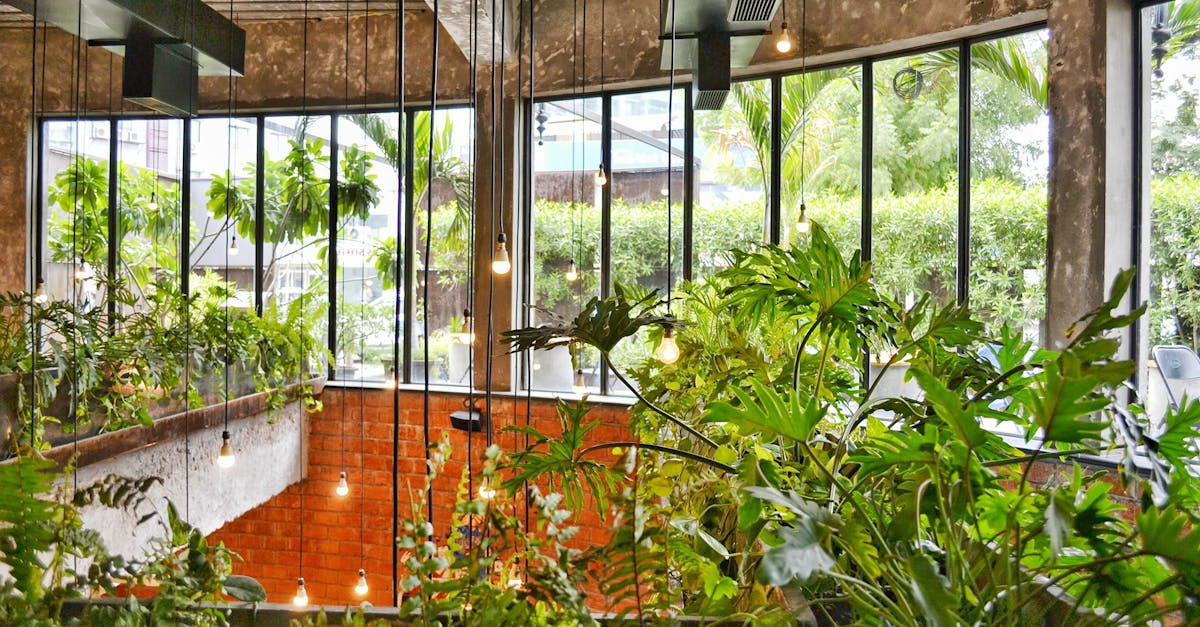
To optimize your balcony garden’s layout and maximize yield, consider the following space-saving techniques:
-
Hanging planters: Hanging planters are a great way to save space on your balcony and grow a variety of plants vertically. They’re perfect for growing herbs, strawberries, and other trailing or cascading plants. You can hang planters from the ceiling, walls, or even railings.
-
Vertical trellises: Vertical trellises are another excellent space-saving solution for balcony gardens. They provide support for climbing plants, such as beans, cucumbers, and tomatoes, allowing them to grow upwards instead of taking up valuable floor space. Trellises can be freestanding or wall-mounted, and they come in a variety of materials, including wood, metal, and plastic.
-
Smart plant arrangements: When arranging your plants on your balcony, consider their size, shape, and sunlight requirements. Place taller plants in the back and shorter plants in the front to ensure that all plants receive adequate sunlight. You can also use companion planting techniques to maximize space and improve plant growth.
Utilizing Vertical Space with Hanging Planters
Hanging planters are a versatile and space-saving solution for balcony gardens. They allow you to grow a variety of plants vertically, making the most of your available space. Here’s how to utilize hanging planters effectively:
-
Choose the right plants: Hanging planters are ideal for growing plants that naturally trail or cascade, such as strawberries, herbs, and petunias. You can also grow small vegetables like cherry tomatoes and peppers in hanging planters.
-
Select the right planters: Choose hanging planters that are made from durable materials and have good drainage holes. The size and shape of the planter will depend on the type of plants you’re growing. For example, strawberries require wider planters, while herbs can be grown in smaller planters.
-
Hang your planters: You can hang planters from the ceiling, walls, or even railings. Make sure to choose a location that receives adequate sunlight for your plants. You can also use plant hangers to create a more decorative display.
Vertical Trellises: A Space-Saving Solution
Vertical trellises are a great way to save space and grow climbing vegetables on your balcony. They provide support for plants to grow upwards, maximizing sunlight exposure and improving air circulation. Here are some of the benefits of using vertical trellises:
-
Maximize sunlight exposure: By growing plants vertically on trellises, you can ensure that all of the leaves receive adequate sunlight for photosynthesis. This leads to healthier plants and increased yields.
-
Improve air circulation: Vertical trellises allow for better air circulation around plants, which helps to prevent disease and promotes overall plant health. Good air circulation also helps to strengthen plant stems and reduce the likelihood of fungal growth.
-
Support climbing vegetables: Vertical trellises are ideal for growing climbing vegetables such as beans, cucumbers, and tomatoes. These plants naturally grow upwards, and trellises provide the support they need to reach their full potential.
Arranging Plants for Optimal Yield
Arranging your plants in a way that maximizes yield is essential for successful balcony gardening. Here are a few factors to consider when arranging your plants:
-
Sunlight exposure: When arranging your plants, consider their sunlight requirements. Place plants that require full sun in the sunniest spot on your balcony. Plants that can tolerate partial shade can be placed in areas that receive less sunlight.
-
Plant height: Consider the height of your plants when arranging them. Taller plants should be placed in the back or center of your balcony, while shorter plants can be placed in the front. This will ensure that all of your plants receive adequate sunlight.
-
Companion planting: Companion planting is a technique where you plant certain species together to benefit each other. For example, planting basil next to tomatoes can help to improve tomato yields and repel pests. When arranging your plants, consider which species can be planted together to maximize growth and yield.
3. Selecting High-Yield Crops for Small Spaces
When choosing crops for your small balcony garden, it’s important to consider high-yield varieties that will produce a lot of food in a limited space. Here are a few key considerations to keep in mind:
-
Vertical growth: Choose crops that have a vertical growth habit, such as pole beans, trellised cucumbers, and indeterminate tomatoes. These plants can be grown upwards on trellises or other supports, maximizing yield in a small space.
-
Rapid maturity: Opt for fast-maturing crops such as radishes, salad greens, and summer squash. These crops have a shorter growing season, so you can harvest them quickly and make room for new plantings throughout the season.
-
Compact size: Choose compact varieties of vegetables that are well-suited for small spaces. For example, patio tomatoes, dwarf beans, and bush cucumbers are all compact varieties that produce a good yield without taking up too much space.
Vertical Growth Habit for Maximized Yield
When growing in small spaces, vertical growth habit is a valuable trait to look for in crops. By growing upwards, these plants make the most of the available space and can produce a large yield even in a limited area. Here are a few examples of crops with a vertical growth habit that are well-suited for balcony gardens:
-
Pole beans: Pole beans are a type of climbing bean that can grow up to 10 feet tall. They require support, such as a trellis or pole, to grow upwards. Pole beans are a good source of protein and fiber, and they produce a heavy yield of beans.
-
Trellis cucumbers: Trellis cucumbers are another type of climbing plant that can grow up to 6 feet tall. They also require support to grow upwards, and they produce a heavy yield of cucumbers.
-
Indeterminate tomatoes: Indeterminate tomatoes are a type of tomato plant that can grow up to 10 feet tall. They have a long growing season and produce a continuous yield of tomatoes throughout the season.
Rapid Maturity for Quicker Harvests
Rapid maturity is a desirable trait for crops grown in small spaces, as it allows for a quicker turnover and multiple harvests throughout the season. Here are a few examples of fast-maturing crops that are well-suited for balcony gardens:
-
Radishes: Radishes are a root vegetable that can be harvested in as little as 3 weeks. They are a good source of vitamins and minerals, and they can be eaten raw, cooked, or pickled.
-
Salad greens: Salad greens are a type of leafy green that can be harvested in as little as 4 weeks. They are a good source of vitamins and minerals, and they can be eaten raw in salads or cooked in soups and stews.
-
Summer squash: Summer squash is a type of squash that can be harvested in as little as 50 days. It is a good source of vitamins and minerals, and it can be eaten raw, cooked, or grilled.
Compact Size for Space Optimization
When growing in small spaces, it’s important to choose compact varieties of vegetables that will fit more plants into a limited space. Here are a few examples of compact varieties that are well-suited for balcony gardens:
-
Patio tomatoes: Patio tomatoes are a type of tomato plant that is bred to be compact and grow well in containers. They produce a good yield of small to medium-sized tomatoes.
-
Dwarf beans: Dwarf beans are a type of bean plant that is bred to be compact and grow well in containers. They produce a good yield of beans.
-
Bush cucumbers: Bush cucumbers are a type of cucumber plant that is bred to be compact and grow well in containers. They produce a good yield of small to medium-sized cucumbers.
4. Companion Planting for Enhanced Yields

Companion planting is a gardening technique that involves planting certain species together to benefit each other. This can be done to improve plant growth, yields, and overall health, as well as to deter pests and diseases. Companion planting is a great way to maximize the productivity of small balcony gardens, as it allows you to grow more plants in a limited space.
Here are a few examples of companion planting combinations that are well-suited for balcony gardens:
-
Tomatoes and basil: Planting basil next to tomatoes can help to improve tomato yields and repel pests. Basil is a natural insect repellent, and it can also help to improve the flavor of tomatoes.
-
Carrots and onions: Planting carrots next to onions can help to improve the growth of both crops. Carrots help to loosen the soil, which makes it easier for onions to grow. Onions also help to repel carrot flies, which are a common pest of carrots.
-
Lettuce and radishes: Planting lettuce next to radishes can help to improve the growth of both crops. Lettuce provides shade for radishes, which helps to keep them cool and moist. Radishes also help to repel aphids, which are a common pest of lettuce.
Benefits of Companion Planting in Balcony Gardens
Companion planting offers several benefits for balcony gardens, including improved soil health, increased pollination, and natural pest control. Here’s a closer look at each of these benefits:
Improved soil health: When companion plants are grown together, they can create a symbiotic relationship that benefits the soil. For example, legumes, such as beans and peas, have the ability to fix nitrogen from the air and convert it into a form that can be used by other plants. This helps to improve the overall fertility of the soil and reduces the need for chemical fertilizers.
Increased pollination: Companion planting can also help to increase pollination in balcony gardens. By planting flowers that attract pollinators, such as bees and butterflies, near your vegetable plants, you can improve the chances of successful pollination and fruit set. This is especially important for crops that require cross-pollination, such as tomatoes and peppers.
Natural pest control: Certain companion plants can also help to deter pests and diseases. For example, planting garlic or onions near your tomato plants can help to repel aphids and other insects. Planting marigolds near your vegetables can also help to deter nematodes and other soil-borne pests.
Choosing Compatible Plant Pairs
When companion planting in balcony gardens, it’s important to choose compatible plant pairs that will benefit each other. Here are a few examples of compatible plant combinations:
-
Tomatoes and basil: Tomatoes and basil are classic companion plants that grow well together. Basil helps to improve the flavor of tomatoes and can also help to repel pests. Tomatoes, in turn, provide shade for basil and help to keep the soil moist.
-
Carrots and onions: Carrots and onions are another good companion planting combination. Carrots help to loosen the soil, which makes it easier for onions to grow. Onions, in turn, help to repel carrot flies, which are a common pest of carrots.
-
Lettuce and radishes: Lettuce and radishes are a fast-growing companion planting combination that can be grown together in containers or raised beds. Lettuce provides shade for radishes, which helps to keep them cool and moist. Radishes, in turn, help to repel aphids, which are a common pest of lettuce.
Planning a Companion Planting Layout
When planning a companion planting layout for your balcony garden, there are a few factors to consider, including plant height, root depth, and sunlight requirements. Here are a few tips for planning a successful companion planting layout:
-
Consider plant height: When planting companions, it’s important to consider their height. Taller plants should be placed in the back or center of your garden, while shorter plants can be placed in the front. This will ensure that all of your plants receive adequate sunlight.
-
Consider root depth: It’s also important to consider the root depth of your companion plants. Plants with deep roots should be planted in the back or center of your garden, while plants with shallow roots can be planted in the front. This will help to prevent competition for water and nutrients.
-
Consider sunlight requirements: Finally, it’s important to consider the sunlight requirements of your companion plants. Some plants, such as tomatoes and peppers, require full sun, while others, such as lettuce and spinach, can tolerate partial shade. When planning your layout, be sure to place plants with similar sunlight requirements together.
5. Additional Tips for Boosting Yields in Small Balcony Gardens
In addition to the techniques mentioned above, there are several other strategies you can use to boost yields in your small balcony garden. Here are a few additional tips:
-
Regular feeding: Plants need nutrients to grow and produce fruit. Fertilize your plants regularly with a balanced fertilizer to ensure that they have the nutrients they need to thrive. You can use a water-soluble fertilizer or a slow-release fertilizer. Water-soluble fertilizers are applied directly to the soil, while slow-release fertilizers are applied to the soil and release nutrients over time.
-
Proper watering: Watering is essential for plant growth, but it’s important to water your plants correctly. Overwatering can lead to root rot and other problems, while underwatering can stunt growth and reduce yields. The best way to water your plants is to check the soil moisture before watering. If the soil is dry to the touch, it’s time to water your plants. Water your plants deeply and evenly, and avoid getting the leaves wet.
-
Effective pest management: Pests can quickly damage your plants and reduce yields. It’s important to have a plan in place to manage pests before they become a problem. There are a variety of organic and inorganic pest control methods available. You can use insecticidal soap, neem oil, or other natural remedies to control pests. You can also use physical barriers, such as row covers or netting, to keep pests away from your plants.
Regular Feeding for Optimal Growth
Regular feeding is essential for optimal plant growth and yield. Plants need nutrients to grow healthy and produce fruit, and fertilizer provides these nutrients. There are many different types of fertilizers available, so it’s important to choose the right one for your plants and growing conditions.
When choosing a fertilizer, you need to consider the following factors:
-
The type of plants you are growing: Different plants have different nutrient needs. For example, vegetables need more nitrogen than flowers.
-
The stage of growth of your plants: Plants need different nutrients at different stages of growth. For example, seedlings need more nitrogen than mature plants.
-
The soil conditions in your garden: The type of soil you have will affect the amount of fertilizer you need to apply. For example, sandy soils need more fertilizer than clay soils.
Once you have considered these factors, you can choose a fertilizer that is right for your needs. There are two main types of fertilizers: organic and inorganic. Organic fertilizers are made from natural materials, such as compost and manure. Inorganic fertilizers are made from synthetic materials, such as chemicals. Both types of fertilizers can be effective, but organic fertilizers are generally more beneficial for the soil and the environment.
No matter what type of fertilizer you choose, it’s important to follow the directions on the package. Over-fertilizing can damage your plants, so it’s always better to err on the side of caution.
Proper Watering Techniques
Proper watering is essential for healthy plant growth. Watering too much or too little can stress plants and make them more susceptible to pests and diseases. The key to proper watering is to find a balance that meets the needs of your plants and soil conditions.
Here are a few factors to consider when watering your plants:
-
The type of plants you are growing: Different plants have different water needs. For example, succulents need less water than ferns.
-
The stage of growth of your plants: Seedlings and young plants need more frequent watering than mature plants.
-
The soil conditions in your garden: Sandy soils drain quickly and need more frequent watering than clay soils.
-
The weather: Plants need more water during hot, dry weather than during cool, wet weather.
Once you have considered these factors, you can develop a watering schedule that is right for your needs. It’s always better to err on the side of underwatering than overwatering. Overwatering can lead to root rot and other problems, while underwatering will simply slow down plant growth.
Here are a few tips for proper watering:
-
Water your plants deeply and infrequently. This encourages deep root growth and prevents the soil from becoming waterlogged.
-
Water your plants at the base of the plant, avoiding the leaves. This helps to prevent fungal diseases.
-
Mulch around your plants to help retain moisture and suppress weeds.
Effective Pest Management
Pests can be a major problem for gardeners, but there are a number of organic and eco-friendly pest management techniques that can be used to protect your plants and ensure a healthy harvest. Here are a few tips:
-
Use companion planting: Companion planting is a technique where you plant certain species together to benefit each other. For example, planting basil next to tomatoes can help to repel pests. You can also plant flowers that attract beneficial insects, such as ladybugs and lacewings, which can help to control pests.
-
Use insecticidal soap or neem oil: Insecticidal soap and neem oil are natural pesticides that can be used to control a variety of pests, including aphids, spider mites, and whiteflies. These products are relatively safe for humans and pets, and they can be used on both indoor and outdoor plants.
-
Use physical barriers: Physical barriers, such as row covers and netting, can be used to keep pests away from your plants. Row covers are made of a lightweight fabric that allows sunlight and water to pass through, but they prevent pests from reaching your plants. Netting can be used to cover individual plants or entire gardens.
-
Encourage beneficial insects: Beneficial insects, such as ladybugs and lacewings, can help to control pests by eating them or their eggs. You can encourage beneficial insects to your garden by providing them with food and shelter. For example, you can plant flowers that attract beneficial insects, or you can build a bug hotel.
Quiz
1. Which of the following is NOT a benefit of vertical gardening in small spaces?
(a) Maximized sunlight exposure (b) Improved air circulation (c) Reduced risk of disease (d) Increased floor space
2. True or False: When choosing plants for vertical gardening, it is important to consider their growth habit and size.
(a) True (b) False
3. Which of the following is a good way to save space on a balcony garden?
(a) Using hanging planters (b) Using vertical trellises (c) Planting compact varieties of vegetables (d) All of the above
4. What is a benefit of companion planting?
(a) Improved soil health (b) Increased pollination (c) Natural pest control (d) All of the above
5. True or False: It is important to water plants deeply and infrequently.
(a) True (b) False
Answer Key
- (d)
- (a)
- (d)
- (d)
- (a)
Unleashing the Potential of Smart Garden Technology for Balcony Gardening With the rise of smart technology, balcony gardening has become Read more
Enhancing Balcony Living with Fruitful Delights: A Guide to Cultivating Dwarf Fruit Trees in Urban Spaces Unveiling the Enchanting World Read more
Organic Solutions for Thriving Balcony Gardens Organic Fertilizers for Balcony Gardens: A Comprehensive Guide. Balcony gardening has become increasingly popular Read more
Unlocking the Potential of Balcony Gardening: Innovative Techniques for Flourishing Greenery in Urban Spaces Balcony gardening has become increasingly popular Read more