
Crafting a Botanical Paradise: A Comprehensive Guide to Creating Microclimates for Exotic Plants on Balconies
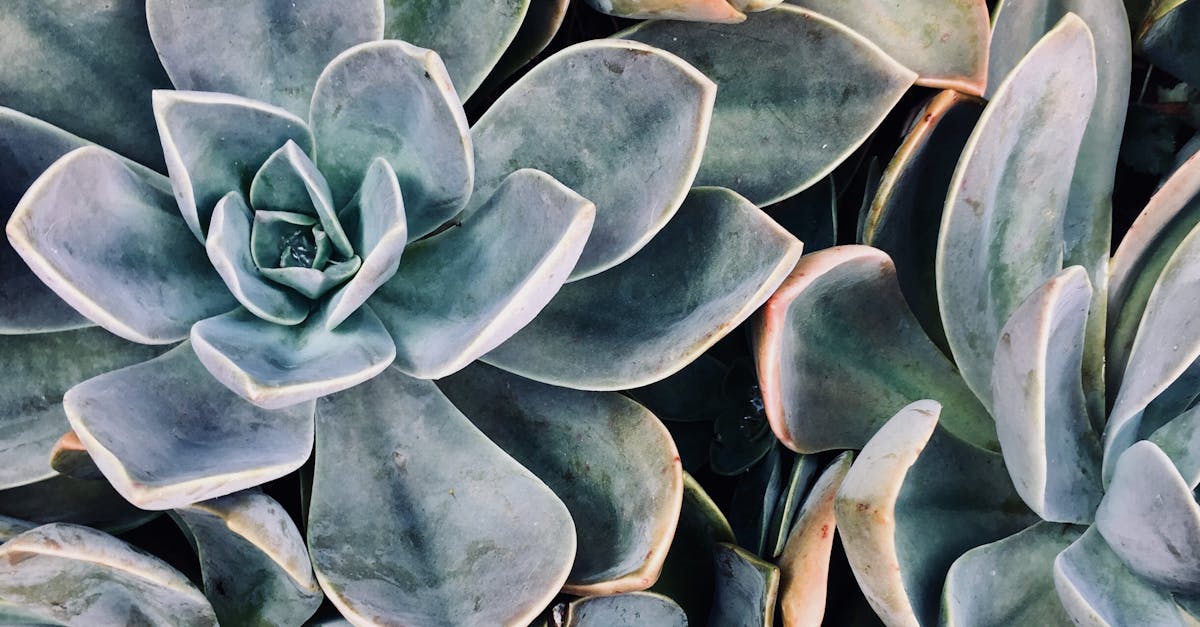
Transform Your Balcony into an Enchanted Haven for Exotic Plants
Imagine stepping onto your balcony, surrounded by lush greenery and exotic blooms that flourish in an environment meticulously crafted to mimic their natural habitats. Creating a microclimate on your balcony allows you to bring your dreams of cultivating these alluring plants to life.
Our comprehensive guide will empower you with the knowledge and techniques to nurture exotic plants on your balcony, regardless of its size or location. Together, we will embark on a journey to provide your botanical treasures with the ideal conditions for thriving.
In this article, we will delve into the importance of microclimates, assess the potential of your balcony, select suitable exotic plants, and create a controlled environment that mimics their native habitats. We will also provide ongoing care and maintenance tips to ensure your exotic plants continue to flourish, bringing a touch of tropical paradise to your urban sanctuary.
1. The Importance of Microclimates
The Importance of Microclimates: Why creating a dedicated environment is crucial for the health and survival of exotic plants in a balcony setting.
Exotic plants, with their captivating foliage and vibrant blooms, add a touch of allure to any balcony setting. However, ensuring their well-being in an environment that differs greatly from their natural habitats can be a daunting task. This is where microclimates step onto the stage, offering a solution to create a dedicated sanctuary for these delicate plants.
Microclimates are localized environments with specific temperature, humidity, and lighting conditions that are tailored to the needs of exotic plants. By carefully controlling these factors, you can mimic the natural habitats of your exotic treasures, providing them with the optimal conditions they require to thrive. Without a dedicated microclimate, exotic plants may struggle to adapt to the fluctuating conditions on a balcony, leading to stunted growth, susceptibility to pests and diseases, and reduced lifespan.
Creating a microclimate on your balcony empowers you to nurture a thriving ecosystem for your exotic plants. It allows you to provide them with the specific care they need to flourish, bringing a touch of the tropics to your urban oasis.
2. Assessing Your Balcony’s Potential
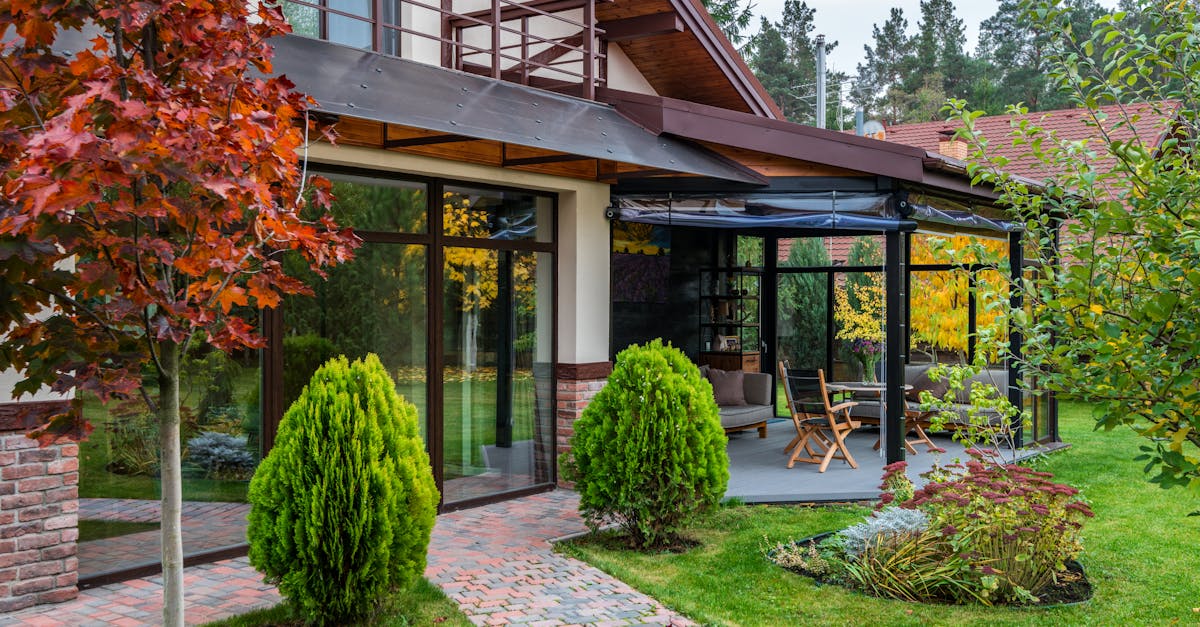
Assessing Your Balcony’s Potential: Evaluate key factors like sunlight exposure, wind protection, and available space to determine the feasibility of creating a microclimate.
Before embarking on the journey of creating a microclimate on your balcony, it is essential to assess its potential to support exotic plants. Several key factors play a crucial role in determining the feasibility of creating a microclimate that meets the specific needs of your plant.
Sunlight exposure is paramount for the well-being of exotic plants. Determine the amount of sunlight your balcony receives throughout the day. Consider the orientation of your balcony and the presence of any shading structures or buildings that may block sunlight. Exotic plants generally prefer bright, indirect light, so balconies with east or west-facing exposure are ideal.
Wind protection is another vital factor to consider. Strong winds can damage delicate plants and disrupt the microclimate you are trying to create. Assess the level of wind exposure on your balcony. If your balcony is exposed to strong winds, you may need to implement additional measures such as windbreaks or shade cloths to protect your plants.
Available space is a practical consideration when creating a microclimate on your balcony. Determine the amount of space you have for plants, taking into account the size of the plants you want to grow and the space required for containers and trellises. If space is limited, you may need to choose smaller plant varieties or employ vertical gardening techniques to maximize space utilization.
3. Selecting Suitable Exotic Plants
Selecting Suitable Exotic Plants: Consider plant varieties that are adaptable to your balcony’s unique conditions and maintenance requirements.
With a clear understanding of your balcony’s potential, the next step is to select exotic plant varieties that are well-suited to the specific conditions you have to offer. Consider factors such as sunlight exposure, wind tolerance, and maintenance requirements when making your choices.
For balconies with limited sunlight, choose plants that can thrive in partial shade or indirect light. Some shade-tolerant exotic plants include ferns, begonias, impatiens, and orchids. If your balcony is exposed to strong winds, opt for wind-tolerant plants such as succulents, palms, and bamboo.
Maintenance requirements are another important consideration. Some exotic plants require frequent watering, fertilizing, and pruning, while others are more low-maintenance. Match the maintenance requirements of your plants to your available time and resources. If you have limited time for plant care, consider low-maintenance plants such as succulents, air plants, or snake plants.
4. Creating a Controlled Environment

Creating a Controlled Environment: Implement techniques to manage temperature, humidity, and lighting levels within the microclimate, ensuring optimal growth conditions.
Once you have selected suitable exotic plants for your balcony, the next step is to create a controlled environment that mimics their natural habitats. This involves managing temperature, humidity, and lighting levels to provide optimal growth conditions.
Temperature management is crucial for the well-being of exotic plants. If your balcony experiences extreme temperatures, you may need to implement measures to regulate the temperature. During hot summer months, provide shade for your plants using shade cloths or umbrellas. In cold winter months, consider using heating mats or cloches to protect your plants from frost.
Humidity levels are also important for many exotic plants. If your balcony has low humidity, you may need to increase the humidity around your plants. This can be achieved by misting your plants regularly, using a humidifier, or placing your plants on a tray filled with pebbles and water.
Lighting levels are another important factor to consider. If your balcony does not receive sufficient sunlight, you may need to supplement with artificial lighting. Choose grow lights that emit the appropriate spectrum of light for your plants’ needs.
5. Ongoing Care and Maintenance
Ongoing Care and Maintenance: Establish a regular watering, fertilizing, and pest control schedule to ensure the long-term health of your exotic plants.
Exotic plants require ongoing care and maintenance to thrive in a balcony setting. Establishing a regular watering, fertilizing, and pest control schedule is essential for their long-term health.
Watering needs vary depending on the type of exotic plant, the size of the container, and the weather conditions. In general, exotic plants should be watered when the top inch of soil feels dry to the touch. Avoid overwatering, as this can lead to root rot and other problems.
Fertilizing is another important aspect of ongoing care. Exotic plants benefit from regular fertilization to replenish the nutrients they need for healthy growth. Choose a fertilizer that is specifically formulated for exotic plants and follow the instructions on the label carefully.
Pest control is also essential to protect your exotic plants from insects and diseases. Regularly inspect your plants for signs of pests or diseases, and take appropriate action to control them. Use organic pest control methods whenever possible, such as insecticidal soap or neem oil.
Quiz: Test Your Understanding
- Why is creating a microclimate crucial for exotic plants on balconies?
(a) To protect them from extreme weather conditions (b) To mimic their natural habitats and ensure optimal conditions (c) To prevent pests and diseases (d) To increase the aesthetic appeal of the balcony
- What factors should you consider when assessing your balcony’s potential for creating a microclimate?
(a) Sunlight exposure, wind protection, and available space (b) Temperature, humidity, and lighting (c) Soil type and drainage (d) Proximity to other plants
- Which of the following is a suitable exotic plant for a balcony with limited sunlight?
(a) Bird of paradise (b) Orchid (c) Cactus (d) Palm tree
- How can you manage temperature on a balcony with extreme temperatures?
(a) Use shade cloths or umbrellas to provide shade (b) Use heating mats or cloches to protect plants from frost (c) Place plants in a sheltered area (d) All of the above
- Why is it important to establish a regular watering schedule for exotic plants?
(a) To prevent overwatering and root rot (b) To ensure plants receive the moisture they need (c) To flush out excess salts from the soil (d) To encourage new growth
- (b)
- (a)
- (b)
- (d)
- (b)
Unleashing the Potential of Smart Garden Technology for Balcony Gardening With the rise of smart technology, balcony gardening has become Read more
Enhancing Balcony Living with Fruitful Delights: A Guide to Cultivating Dwarf Fruit Trees in Urban Spaces Unveiling the Enchanting World Read more
Organic Solutions for Thriving Balcony Gardens Organic Fertilizers for Balcony Gardens: A Comprehensive Guide. Balcony gardening has become increasingly popular Read more
Unlocking the Potential of Balcony Gardening: Innovative Techniques for Flourishing Greenery in Urban Spaces Balcony gardening has become increasingly popular Read more