
Unlock the Potential of Balcony Gardening: A Biointensive Approach

Embark on a transformative journey of urban gardening with this comprehensive guide to biointensive gardening on balconies. Maximize your limited space, enhance soil fertility, conserve water, safeguard your plants from pests and diseases, and choose the perfect containers for your balcony oasis. Discover innovative vertical gardening techniques, composting secrets, organic pest control methods, and water-saving strategies. Transform your balcony into a thriving haven of verdant beauty and bountiful harvests, where nature and nourishment intertwine seamlessly.
1. Embracing Vertical Gardening: Optimizing Balcony Space
Unlock the vertical dimension of your balcony and transform it into a thriving garden oasis. Utilize hanging planters to suspend vibrant blooms, cascading herbs, or trailing vegetables, adding a touch of elegance and creating a captivating display. Incorporate trellises and arbors to provide vertical support for climbing plants, encouraging beans, cucumbers, and tomatoes to ascend gracefully, maximizing space and enhancing aesthetics. Stack tiered planters and shelves to create multiple levels of gardening space, arranging herbs, leafy greens, and shallow-rooted vegetables in a vertical stack, optimizing your balcony’s potential. Embrace vertical gardening techniques and watch your balcony transform into a lush vertical garden, where space constraints dissolve, and nature flourishes in an upward symphony of colors and flavors.
Suspending Elegance: Hanging Planters and Baskets
Suspend elegance from your balcony with hanging planters and baskets, transforming it into a vertical haven of beauty and bounty. Unleash your creativity and suspend vibrant blooms, cascading herbs, or trailing vegetables, creating a captivating display that adds a touch of magic to your urban oasis. Hanging planters offer versatility, allowing you to showcase your favorite plants at varying heights, creating a dynamic and visually appealing garden. Utilize sturdy hooks or brackets to securely attach your planters to railings or walls, ensuring they can withstand wind and weight. Experiment with different shapes, sizes, and colors of planters to complement your balcony’s style and add a personal touch. Embrace the vertical dimension and let your plants cascade gracefully, softening the edges of your balcony and creating a sense of lush abundance.
Vertical Ascension: Trellises and Arbors
Incorporate trellises and arbors into your balcony garden and witness the upward ascension of climbing plants, maximizing space and enhancing aesthetics. These structures provide vital support, allowing beans, cucumbers, and tomatoes to climb gracefully, creating a vertical tapestry of nature’s beauty. Trellises, with their latticework design, offer a sturdy framework for plants to cling to, encouraging them to reach towards the sun. Arbors, with their arching form, create enchanting entrances or focal points in your balcony garden, while providing support for climbing plants to cascade over and create a lush green canopy. By utilizing vertical space, trellises and arbors not only save precious horizontal space but also add a touch of elegance and visual interest to your balcony oasis.
Tiered Delight: Stacking Planters and Shelves
Maximize your balcony space and create a tiered delight with stacking planters and shelves. Arrange herbs, leafy greens, and shallow-rooted vegetables in a vertical stack, optimizing every inch of your precious balcony. Utilize sturdy and durable planters made from materials such as plastic, wood, or fabric, ensuring they can withstand the elements and the weight of your plants. Stack the planters vertically, creating multiple levels of gardening space, and secure them with brackets or interlocking mechanisms to ensure stability. This tiered approach not only saves horizontal space but also allows you to group plants with similar water and sunlight needs, making maintenance easier. Transform your balcony into a vertical oasis, where herbs, greens, and vegetables thrive in a compact and visually appealing manner.
2. Enhancing Soil Fertility: The Foundation of Balcony Gardening
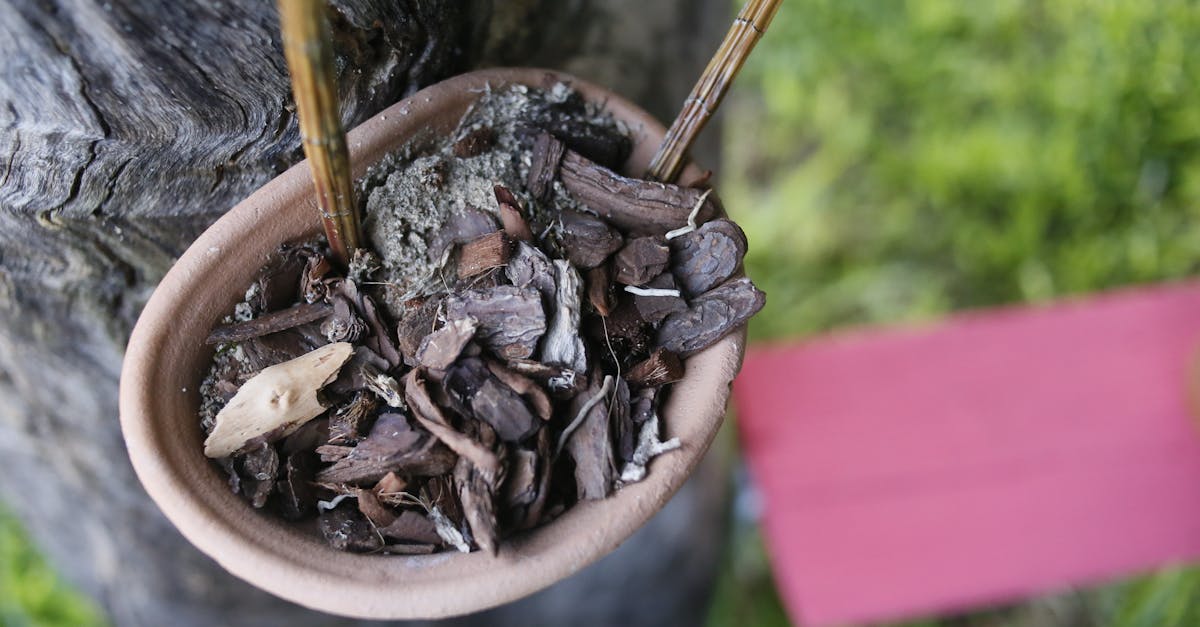
Lay the foundation for thriving balcony plants by understanding the importance of soil health. Soil is the lifeblood of your garden, providing nutrients, moisture, and support for your plants. In balcony gardening, where space is limited, it’s crucial to create a nutrient-rich and well-structured soil environment that meets the specific needs of your plants. Start with a high-quality potting mix specifically designed for container gardening, ensuring it contains a blend of organic matter, minerals, and drainage materials. Enhance soil structure by incorporating compost or manure, which improves water retention, aeration, and nutrient availability. Regularly test your soil to monitor pH levels and nutrient content, and amend as needed to maintain optimal conditions for plant growth.
Soil Composition: The Building Blocks of Fertility
The ideal composition of balcony garden soil is a harmonious blend of organic matter, minerals, and drainage materials, providing a nutrient-rich environment for plant roots to thrive. Organic matter, such as compost or peat moss, improves soil structure, water retention, and nutrient availability. Minerals, like perlite or vermiculite, enhance drainage and aeration, preventing waterlogging and root rot. The right balance of these components creates a well-aerated, moisture-retentive, and nutrient-rich soil that supports healthy plant growth. Regularly amending your soil with organic matter helps maintain its fertility and structure, ensuring your balcony plants have a solid foundation for optimal growth and bountiful harvests.
Composting Magic: Transforming Waste into Gold
Embrace the magic of composting and transform your balcony garden waste into a precious resource. Composting is the natural process of breaking down organic matter, such as food scraps, yard waste, and paper products, into a nutrient-rich soil amendment. By composting, you not only reduce waste but also create a valuable source of organic matter for your balcony garden. Start a compost bin or use a composting system designed for small spaces. Layer
Fertilizer Finesse: Nurturing Plants with Nutrients
Fertilizer finesse is the art of providing essential nutrients to balcony plants, ensuring their optimal growth and productivity. Fertilizers come in two main types: organic and inorganic. Organic fertilizers, such as compost, manure, and fish emulsion, release nutrients slowly over time and improve soil health. Inorganic fertilizers, like chemical salts, provide a quick boost of specific nutrients. Choose fertilizers based on your plants’ needs and the specific nutrient deficiencies in your soil. Apply fertilizers according to the manufacturer’s instructions, avoiding over-fertilization which can harm plants. Regular fertilization helps maintain balanced plant nutrition, promoting healthy growth, abundant blooms, and bountiful harvests.
3. Water-Wise Gardening: Conserving a Precious Resource
Water-wise gardening is the art of conserving this precious resource while maintaining healthy and thriving balcony plants. Start by implementing efficient irrigation methods such as drip irrigation or soaker hoses, which deliver water directly to the roots, minimizing evaporation and water waste. Choose drought-tolerant plant species that are adapted to low-water conditions, reducing the need for frequent watering. Utilize water-holding materials like mulch, which helps retain moisture in the soil and reduces evaporation. By adopting these water-saving techniques, you can create a sustainable balcony garden that flourishes without compromising the environment.
Efficient Irrigation: Watering with Precision
Efficient irrigation is the key to maintaining healthy plants while conserving water in balcony gardening. Drip irrigation systems deliver water directly to the roots of plants, minimizing evaporation and water waste. Soaker hoses are another effective method, slowly releasing water along their length, allowing it to soak into the soil deeply. When watering by hand, use a watering can with a narrow spout to direct water to the base of plants, avoiding the leaves. Determine the right watering schedule based on the specific needs of your plants and the climate conditions on your balcony. Regularly check the soil moisture and adjust your watering frequency accordingly, ensuring your plants receive enough water without overwatering.
Drought-Tolerant Delights: Plants that Thrive with Less Water
Drought-tolerant plants are a wise choice for balcony gardens, especially in regions with limited water resources or during dry spells. These resilient species can withstand periods of reduced watering without compromising their growth and vitality. Choose from a wide range of drought-tolerant plants suitable for balconies, such as succulents like aloe vera and sedum, which store water in their thick leaves. Herbs like rosemary, thyme, and oregano are also known for their drought tolerance and add a touch of flavor to your balcony garden. Many varieties of flowers, such as geraniums, petunias, and lantana, thrive with less water, adding vibrant colors to your outdoor space. By incorporating drought-tolerant plants into your balcony garden, you can create a beautiful and sustainable oasis that requires minimal watering.
Water-Holding Wonders: Mulch and Other Moisture-Retaining Strategies
Water-holding wonders like mulch and other moisture-retaining materials are essential for balcony gardening, especially during hot and dry weather. Mulch, made from organic materials such as bark, compost, or straw, forms a protective layer on the soil surface. It helps retain moisture, suppress weeds, and regulate soil temperature. Water-storing crystals are another effective way to increase the water-holding capacity of your balcony garden soil. These crystals absorb excess water when it’s available and gradually release it to plant roots as needed. By utilizing mulch and water-storing crystals, you can reduce evaporation, extend the time between watering, and ensure that your plants stay hydrated even during periods of drought.
4. Pest and Disease Control: Safeguarding Balcony Gardens

Safeguarding your balcony garden from pests and diseases is crucial for maintaining healthy and thriving plants. Implement organic control techniques such as using insecticidal soap or neem oil to combat common pests like aphids and spider mites. Encourage beneficial insects into your garden by planting flowers that attract them, such as marigolds and lavender. These insects prey on harmful pests and help maintain a natural balance in your balcony ecosystem. Maintain good garden hygiene by regularly removing diseased leaves and plant debris, which can harbor pests and diseases. Crop rotation, where different plant families are grown in the same location in successive seasons, can also help prevent disease buildup in your balcony garden.
Organic Arsenal: Natural Remedies for Pests
Equip yourself with an organic arsenal to combat common balcony pests and safeguard your plants naturally. Neem oil, derived from the neem tree, is a powerful insecticide and fungicide that effectively controls a wide range of pests, including aphids, whiteflies, and spider mites. Insecticidal soap, made from fatty acids, is another effective option for controlling soft-bodied pests like aphids and mealybugs. Companion planting, where certain plant species are grown together to benefit each other, can also help deter pests. For example, planting marigolds near tomatoes can help repel aphids and other insects that commonly affect tomatoes. By implementing these organic pest control methods, you can create a healthy and thriving balcony garden while minimizing the use of harmful chemicals.
Beneficial Insect Haven: Attracting Nature’s Allies
Transform your balcony garden into a haven for beneficial insects, nature’s allies in pest control. Provide habitats for these insects by installing insect houses or planting native flowers that offer shelter and nesting sites. Choose flowers that bloom throughout the season to ensure a continuous supply of nectar and pollen, attracting a variety of beneficial insects, such as ladybugs, lacewings, and parasitic wasps. Avoid using harmful pesticides that can indiscriminately kill both pests and beneficial insects. By creating a welcoming environment for these natural predators, you can establish a balanced ecosystem in your balcony garden, reducing the need for chemical pest control and promoting a thriving, sustainable outdoor space.
Garden Hygiene: Prevention Through Cleanliness
Maintaining good garden hygiene is crucial for preventing the spread of diseases in your balcony garden. Regularly inspect your plants and remove any diseased or infected leaves or stems. Dispose of diseased plant material promptly to prevent the spread of pathogens. Keep your gardening tools clean and disinfected, especially when working with different plants, to avoid transferring diseases from one plant to another. Practice crop rotation by growing different plant families in the same location in successive seasons. This helps break disease cycles and reduces the buildup of soil-borne pathogens that can affect specific plant families.
5. Container Selection: The Perfect Home for Balcony Plants
Choosing the right containers is essential for the health and growth of your balcony plants. Consider the size of the container in relation to the plant’s root system, ensuring it has enough space to grow without becoming rootbound. The shape of the container can also affect plant growth, with wider containers providing more stability and allowing for a wider root spread. Select containers made from durable materials that can withstand the elements and provide proper drainage. Drainage holes are crucial to prevent waterlogging, which can lead to root rot and other problems. If your containers do not have drainage holes, you can add a layer of gravel or pebbles to the bottom to facilitate drainage.
Size Matters: Choosing the Right Container Volume
The right container size is key for successful balcony gardening. Small containers restrict root growth, hindering plant development, while oversized containers can lead to overwatering. Match the container size to the plant’s mature size, ensuring adequate space for roots without excess soil that retains too much moisture.
Shape and Material: Aesthetics and Functionality
The shape and material of your balcony garden containers influence both aesthetics and plant health. Terracotta pots are classic and porous, allowing for good drainage and aeration, but they can be heavy and prone to cracking in cold climates. Plastic containers are lightweight, durable, and inexpensive, but they may not provide as much insulation for roots as other materials. Fabric pots, made from breathable fabric, promote root aeration and prevent circling roots, but they require more frequent watering than other types of containers.
Drainage Essentials: Preventing Waterlogging
Proper drainage is essential for preventing waterlogging and root rot in balcony garden containers. Choose containers with drainage holes to allow excess water to escape. You can also add a layer of gravel or pebbles to the bottom of the container to further improve drainage and prevent the soil from becoming compacted.
Quiz
- True or False: Vertical gardening techniques can help maximize space on balconies.
- Multiple Choice: Which of the following is NOT a vertical gardening method mentioned in the article? (a) Hanging planters (b) Trellises (c) Raised beds
- True or False: Composting is a sustainable way to enrich balcony garden soil.
- Multiple Choice: What is the ideal composition of balcony garden soil? (a) All organic matter (b) All minerals (c) A balanced blend of organic matter, minerals, and drainage materials
- True or False: Over-fertilizing balcony plants can be beneficial for their growth.
Answer Key
- True
- (c) Raised beds
- True
- (c) A balanced blend of organic matter, minerals, and drainage materials
- False
Unleashing the Potential of Smart Garden Technology for Balcony Gardening With the rise of smart technology, balcony gardening has become Read more
Enhancing Balcony Living with Fruitful Delights: A Guide to Cultivating Dwarf Fruit Trees in Urban Spaces Unveiling the Enchanting World Read more
Organic Solutions for Thriving Balcony Gardens Organic Fertilizers for Balcony Gardens: A Comprehensive Guide. Balcony gardening has become increasingly popular Read more
Unlocking the Potential of Balcony Gardening: Innovative Techniques for Flourishing Greenery in Urban Spaces Balcony gardening has become increasingly popular Read more