
Transform Your Balcony into a Verdant Getaway: A Step-by-Step Guide to Designing and Managing a Thriving Compact Garden

- Cultivating a Lush Oasis: A Beginner’s Guide to Designing and Managing a Balcony Nursery
As urban environments continue to expand, balconies have become increasingly valuable spaces for those seeking a touch of nature amidst the concrete jungle. With limited space but boundless possibilities, a well-designed balcony nursery can transform your outdoor haven into a thriving garden sanctuary.
In this comprehensive guide, we will delve into the essential steps for creating and maintaining a flourishing balcony nursery. From planning and soil preparation to watering techniques and vertical gardening strategies, we will cover everything you need to know to cultivate a lush miniature garden that brings joy and tranquility to your urban abode.*
1. Planning Your Balcony Nursery
- Planning Your Balcony Nursery: Laying the Foundation for Your Miniature Garden
The journey to creating a thriving balcony nursery begins with meticulous planning. Careful consideration of available space, sunlight exposure, and plant selection will lay a solid foundation for your miniature garden’s success.
Assessing Space and Sunlight:
Begin by evaluating your balcony’s dimensions and orientation. Determine the amount of sunlight it receives throughout the day, as this will dictate the types of plants you can grow. If your balcony receives ample sunlight, you can opt for sun-loving plants. However, if it is partially shaded, you should focus on shade-tolerant varieties. By aligning your plant choices with the available sunlight, you can maximize their growth and vitality.
Choosing Suitable Plants:
The selection of plants for your balcony nursery should be guided by both personal preference and practical considerations. Consider the size and growth habit of the plants, ensuring they are appropriate for the space available. Opt for plants that are well-suited to container gardening and can thrive in the specific conditions of your balcony. Herbs, compact vegetables, and flowering plants are popular choices for balcony nurseries, offering a blend of practicality and aesthetic appeal.*
Assessing Space and Sunlight
- Assessing Space and Sunlight: Optimizing Plant Placement and Sunlight Exposure
Before embarking on plant selection, it is essential to thoroughly assess the available space and sunlight on your balcony. This crucial step will guide your decisions and ensure the success of your miniature garden.
Determining Balcony Size and Orientation:
Begin by accurately measuring the dimensions of your balcony. Consider both the length and width, as well as any irregular shapes or obstacles that may affect plant placement. Additionally, determine the orientation of your balcony in relation to the sun’s path. Note which areas receive direct sunlight during different parts of the day and which areas are shaded. This information will help you categorize your balcony into zones with varying sunlight exposure.
Optimizing Plant Placement:
Once you have a clear understanding of your balcony’s space and sunlight conditions, you can begin to plan the placement of your plants. Group plants with similar sunlight requirements together, placing sun-loving plants in areas with the most direct sunlight and shade-tolerant plants in areas with less sunlight. This strategic placement will ensure that all your plants receive the optimal amount of light they need to thrive.*
Choosing Suitable Plants
- Choosing Suitable Plants: Selecting Plants for Success in a Balcony Nursery
The selection of plants for your balcony nursery is a crucial step that will determine the overall success and enjoyment you derive from your miniature garden. Careful consideration should be given to plant size, growth habit, and adaptability to container gardening.
Selecting for Container Gardening:
When choosing plants for your balcony nursery, it is essential to opt for varieties that are well-suited to container gardening. These plants should have compact root systems and be able to thrive in the limited space of containers. Avoid plants with excessively large or invasive root systems, as they may struggle to grow in containers.
Adaptability to Balcony Conditions:
In addition to considering container compatibility, you should also select plants that are adaptable to the specific conditions of your balcony. Factors such as sunlight exposure, temperature, and humidity should be taken into account. Choose plants that can tolerate the amount of sunlight your balcony receives and are suited to your local climate. By selecting adaptable plants, you increase the likelihood of their success in your balcony nursery.*
2. Creating a Soil Foundation
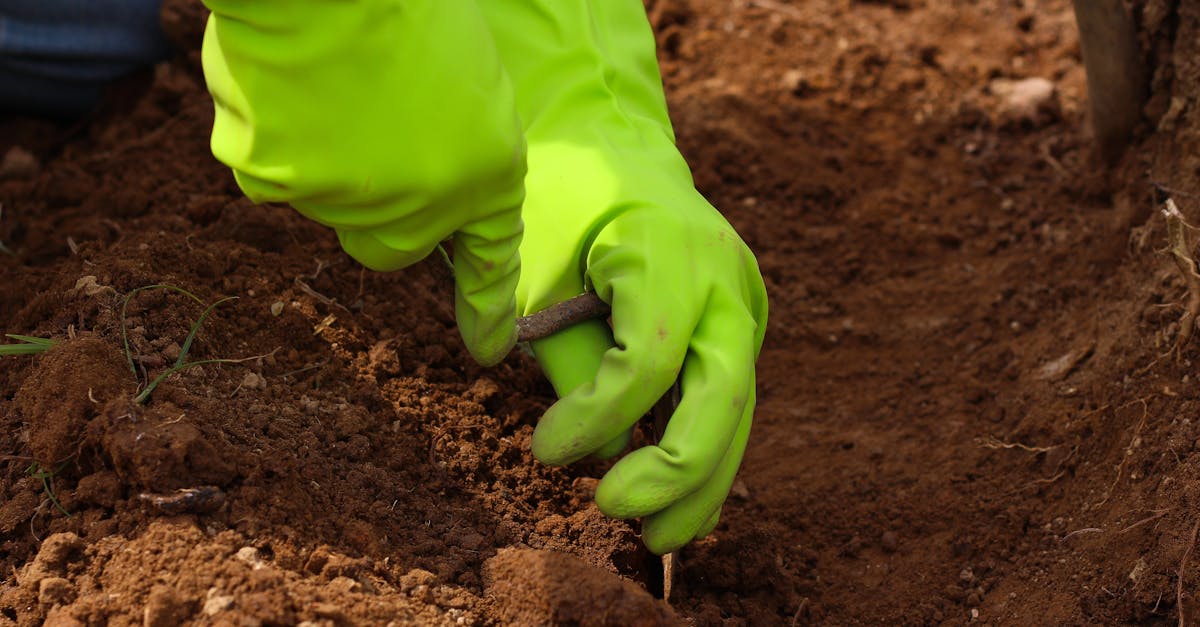
- Creating a Soil Foundation: Providing a Nutrient-Rich Base for Your Balcony Nursery
A nutrient-rich and well-draining soil is essential for the health and vitality of your balcony garden. Choosing the right soil mix and ensuring proper drainage will provide a solid foundation for your plants to thrive.
Selecting the Right Soil Mix:
When selecting a soil mix for your balcony nursery, opt for a potting mix specifically designed for container gardening. These mixes are typically lightweight and well-draining, providing optimal conditions for root growth and water absorption. Avoid using garden soil, as it can be too heavy and compact for containers, leading to poor drainage and root rot. Consider adding organic matter such as compost or peat moss to further enrich the soil and enhance its water-holding capacity.
Ensuring Proper Drainage:
Proper drainage is crucial to prevent waterlogging, which can lead to root rot and other plant health issues. Ensure that the containers you use have drainage holes in the bottom to allow excess water to escape. You can also create a drainage layer at the bottom of the containers using materials like gravel, broken pottery, or pebbles. This layer will help improve drainage and prevent soil compaction.*
Selecting Soil Mix
- Selecting Soil Mix: Choosing the Right Foundation for Your Balcony Nursery
Selecting the right soil mix is essential for the success of your balcony nursery. Unlike traditional garden soil, container gardening requires a specialized potting mix that is well-draining and provides optimal conditions for root growth.
Choosing a Well-Draining Mix:
The key to a healthy balcony garden lies in choosing a potting mix that drains well. Avoid using garden soil, as it can become compacted and waterlogged in containers, leading to root rot and other plant health issues. Instead, opt for a potting mix specifically designed for container gardening. These mixes are typically lightweight and contain materials like perlite or vermiculite, which help improve drainage and aeration.
Enhancing Soil Quality:
While commercial potting mixes provide a good base, you can further enhance the soil quality by adding organic matter. Compost, peat moss, or coco coir are excellent amendments that enrich the soil, improve water retention, and provide essential nutrients for your plants. By creating a nutrient-rich and well-draining soil mix, you lay the foundation for a thriving balcony nursery.*
Drainage Considerations
- Drainage Considerations: Ensuring Optimal Drainage for Your Balcony Nursery
Proper drainage is essential for preventing waterlogging and root rot in your balcony nursery. By ensuring excess water can drain away effectively, you create a healthy and thriving environment for your plants.
Creating Drainage Holes:
The first step to ensuring proper drainage is to create drainage holes in the bottom of your containers. These holes allow excess water to escape, preventing waterlogging and creating an optimal environment for root growth. If your containers do not have drainage holes, you can easily create them using a drill or a sharp object.
Adding a Drainage Layer:
In addition to drainage holes, you can further improve drainage by adding a layer of gravel or broken pottery to the bottom of your containers. This layer creates a space for excess water to collect, preventing it from saturating the soil and damaging your plants’ roots. Gravel or broken pottery also helps aerate the soil, allowing oxygen to reach the roots more easily.*
3. Watering and Nutrient Management
- Watering and Nutrient Management: Nurturing Your Balcony Nursery
Providing adequate water and essential nutrients is crucial for maintaining optimal plant growth in your balcony nursery. Understanding your plants’ watering needs and implementing a regular fertilizing schedule will ensure they thrive in their container environment.
Watering Techniques:
The key to successful watering is finding the balance between providing enough moisture without overwatering. Different plants have varying water requirements, so it’s essential to research the specific needs of each species. Allow the top inch or two of soil to dry out before watering again, and avoid letting water sit in the drainage tray. Consider using a moisture meter to accurately gauge soil moisture levels.
Nutrient Management:
Regular fertilizing is essential for replenishing the nutrients that plants use for growth and development. Choose a balanced fertilizer specifically designed for container gardening and follow the instructions carefully. Organic fertilizers, such as compost tea or fish emulsion, are a natural way to provide essential nutrients while promoting soil health.*
Watering Techniques
- Watering Techniques: Nurturing Your Plants with the Right Amount of Moisture
Watering is a crucial aspect of balcony gardening, and finding the right balance is essential for plant health. Different plants have varying water needs, and these needs can also change based on weather conditions. Understanding your plants’ specific requirements and adjusting your watering frequency accordingly will help them thrive.
Assessing Plant Needs:
The first step to effective watering is understanding the water needs of your plants. Consider factors such as plant size, type, and maturity. Some plants, like succulents, are drought-tolerant and require less frequent watering, while others, like leafy greens, need more regular moisture. Researching the specific needs of each plant species will help you establish an appropriate watering schedule.
Monitoring Weather Conditions:
Weather conditions can also impact watering frequency. During hot, dry weather, plants will require more water to compensate for increased evaporation. Conversely, during cooler, rainy periods, watering can be reduced as rainfall provides moisture to the soil. Pay attention to weather forecasts and adjust your watering schedule as needed.*
Fertilizing Your Plants
- Fertilizing Your Plants: Nurturing Growth and Health
Fertilizing is an essential practice in balcony gardening, providing your plants with the nutrients they need to thrive in their container environment. Understanding the different types of fertilizers available and choosing the right one for your plants will help ensure their continued health and productivity.
Organic vs. Synthetic Fertilizers:
There are two main types of fertilizers: organic and synthetic. Organic fertilizers, such as compost, manure, and fish emulsion, are derived from natural sources and release nutrients slowly over time. They also contribute to soil health by adding organic matter. Synthetic fertilizers, on the other hand, are manufactured and provide a concentrated dose of nutrients that are readily available to plants. While synthetic fertilizers can be effective in providing a quick boost, they do not contribute to soil health and can potentially harm the environment if overused.
Choosing the Right Fertilizer:
When choosing a fertilizer for your balcony garden, consider the specific needs of your plants. Some plants, such as heavy feeders like tomatoes and peppers, require more frequent fertilizing than others. Additionally, the type of soil you use will also influence your choice of fertilizer. Well-draining potting mixes may require more frequent fertilizing as nutrients leach out more easily.*
4. Space Optimization and Vertical Gardening

- Space Optimization and Vertical Gardening: Maximizing Your Balcony Oasis
Making the most of limited space is crucial in balcony gardening. By employing vertical gardening techniques and selecting compact plant varieties, you can create a lush and thriving garden without overcrowding your balcony.
Vertical Gardening Techniques:
Vertical gardening is a fantastic way to maximize space and add a touch of greenery to your balcony. Trellises, hanging baskets, and vertical planters allow you to grow plants upwards, creating a vertical garden effect. This technique is perfect for climbing plants like beans, peas, and tomatoes, as well as trailing plants like strawberries and petunias.
Compact Plant Varieties:
Choosing compact plant varieties is another excellent strategy for space optimization. Look for dwarf or miniature varieties of your favorite plants, which are bred to stay small and manageable in containers. Compact plants are ideal for creating lush arrangements without taking up too much horizontal space.*
Vertical Gardening Techniques
- Vertical Gardening Techniques: Expanding Your Growing Space Vertically
Vertical gardening techniques are ingenious ways to maximize space and create a lush, thriving garden even in the smallest of балконы. By utilizing trellises, hanging baskets, and vertical planters, you can transform your balcony into a vertical oasis.
Trellises:
Trellises are vertical structures that provide support for climbing plants. They come in various materials, including wood, metal, and plastic, and can be freestanding or wall-mounted. Climbing plants like beans, peas, and tomatoes can be trained to grow up the trellis, maximizing vertical space and creating a beautiful living wall.
Hanging Baskets:
Hanging baskets are a great way to add a touch of greenery to your balcony while saving valuable floor space. They come in various sizes and shapes, allowing you to create stunning displays of trailing plants like strawberries, petunias, and lobelia. Hanging baskets can be suspended from the ceiling or attached to walls or railings.
Vertical Planters:
Vertical planters are self-contained units that allow you to grow plants vertically. They typically consist of multiple tiers or compartments stacked on top of each other, providing ample space for a variety of plants. Vertical planters are ideal for creating herb gardens, leafy greens, and even small fruits and vegetables.*
Space-Saving Plant Varieties
- Space-Saving Plant Varieties: Optimizing Your Balcony Garden with Compact Growth
When gardening in limited spaces, choosing the right plant varieties is crucial. Opting for plants with compact growth habits, cascading foliage, or upright structures will help you maximize space and create a thriving balcony garden.
Compact Growth Habits:
Plants with compact growth habits are ideal for small balconies. These plants naturally stay small and manageable, requiring less space to grow. Look for dwarf or miniature varieties of your favorite plants, such as dwarf tomatoes, mini peppers, and compact herbs. These varieties will produce a bountiful harvest without taking up too much room.
Cascading Foliage:
Plants with cascading foliage add a touch of elegance and softness to your balcony garden while saving space. These plants have trailing stems that gracefully hang down, creating a beautiful display. Trailing plants like strawberries, petunias, and ivy geraniums are perfect for hanging baskets or placing on shelves and railings.
Upright Structures:
Plants with upright structures, such as columnar trees and shrubs, are excellent space-saving options for balconies. These plants grow vertically, taking up minimal horizontal space. Columnar apple trees, rosemary topiaries, and upright junipers are ideal choices for creating a vertical garden effect and adding height to your balcony.*
5. Troubleshooting and Maintenance
- Troubleshooting and Maintenance: Ensuring a Healthy and Thriving Balcony Nursery
Maintaining the health and beauty of your balcony nursery requires regular attention and proactive care. By addressing common challenges and implementing a regular maintenance routine, you can keep your plants flourishing and your balcony garden looking its best.
Common Challenges and Solutions:
One of the most common challenges in balcony gardening is pests and diseases. Regularly inspect your plants for signs of pests or diseases, such as yellowing leaves, wilting, or spots. Treat any infestations promptly using organic or chemical methods, depending on the severity of the issue. Providing proper ventilation and avoiding overwatering can also help prevent pest and disease problems.
Regular Maintenance:
Regular maintenance tasks are essential for keeping your balcony nursery in top condition. Pruning and repotting are crucial for maintaining plant health and promoting growth. Prune dead or overgrown branches and leaves to encourage new growth and improve air circulation. Repot your plants as needed when they outgrow their current containers or the soil becomes depleted.*
Pest and Disease Management
- Pest and Disease Management: Protecting Your Balcony Nursery Naturally
Protecting your balcony nursery from pests and diseases is crucial for maintaining a healthy and thriving garden. By employing organic and environmentally friendly methods, you can effectively manage these challenges while minimizing harm to your plants and the environment.
Organic Pest Management:
Organic pest management focuses on using natural methods to control pests without relying on harsh chemicals. Regularly inspect your plants for signs of pests and take preventative measures such as companion planting, which involves planting certain species together to deter pests. Encourage beneficial insects like ladybugs and lacewings into your garden, as they feed on common pests. Neem oil, insecticidal soap, and garlic spray are effective organic pesticides that can be used to treat infestations.
Disease Prevention and Control:
Preventing diseases is key to maintaining plant health. Ensure proper ventilation and avoid overwatering to reduce the risk of fungal diseases. Choose disease-resistant plant varieties and water at the base of plants to prevent foliage from staying wet for extended periods. If diseases occur, promptly remove infected leaves or plants and apply organic fungicides like sulfur or copper-based sprays.*
Pruning and Re-potting
- Pruning and Re-potting: Nurturing Healthy Plants
Regular pruning and re-potting are essential practices for maintaining the health and vigor of your balcony nursery. These techniques promote new growth, control plant size, and ensure your plants have the necessary space and nutrients to thrive.
Pruning:
Pruning involves selectively removing dead, diseased, or overgrown branches and leaves. Regular pruning encourages new growth, improves air circulation, and enhances the overall appearance of your plants. Use sharp, clean pruning shears to make precise cuts and avoid tearing the plant tissue. Prune during the plant’s dormant season or early spring to minimize stress.
Re-potting:
As plants grow, they may outgrow their current containers. Re-potting provides fresh soil, more space for root development, and essential nutrients. Choose a pot that is slightly larger than the root ball and has drainage holes to prevent waterlogging. Carefully remove the plant from its old pot and gently loosen the roots before placing it in the new pot. Fill in the pot with fresh potting mix and water thoroughly.*
Quiz: Test Your Balcony Nursery Knowledge
-
True or False: Compact plant varieties are ideal for maximizing space in balcony gardens.
-
Which of the following is NOT a vertical gardening technique?
- Trellises
- Hanging baskets
- Ground-level planters
-
What is the benefit of pruning plants?
-
When is the best time to re-pot a plant?
-
True or False: Organic pest management methods involve using harsh chemicals.
Answer Key:
- True
- Ground-level planters
- Encourages new growth, improves air circulation, and enhances appearance
- When the plant has outgrown its current container
- False
Answer Key:
- True
- Ground-level planters
- Encourages new growth, improves air circulation, and enhances appearance
- When the plant has outgrown its current container
- False
Unleashing the Potential of Smart Garden Technology for Balcony Gardening With the rise of smart technology, balcony gardening has become Read more
Enhancing Balcony Living with Fruitful Delights: A Guide to Cultivating Dwarf Fruit Trees in Urban Spaces Unveiling the Enchanting World Read more
Organic Solutions for Thriving Balcony Gardens Organic Fertilizers for Balcony Gardens: A Comprehensive Guide. Balcony gardening has become increasingly popular Read more
Unlocking the Potential of Balcony Gardening: Innovative Techniques for Flourishing Greenery in Urban Spaces Balcony gardening has become increasingly popular Read more