
Unlock the Secrets of Miniature Forest Gardening on Your Balcony: A Guide to Balcony Ecosystems

With the growing popularity of urban living, people are increasingly seeking ways to bring nature into their homes. One way to do this is to create a miniature forest garden on your balcony. These gardens are not only beautiful, but they can also provide a number of benefits, including improving air quality, increasing biodiversity, and enhancing mental well-being.
In this article, we will explore the concept of miniature forest gardening and provide you with all the information you need to create your own. We will cover everything from essential elements to plant selection and maintenance, and by clarifying any common issues associated with caring for the miniature forest garden ecosystem. By following our guidelines, you can transform your balcony into a thriving ecosystem that will bring you joy for years to come.
1. What is a Miniature Forest Garden?
A miniature forest garden is a small-scale ecosystem that mimics the structure and function of a natural forest. It is typically created in a container, such as a pot or planter, and can be placed on a balcony, patio, or other small space. Miniature forest gardens are not only beautiful, but they can also provide a number of benefits, including:
- Improved air quality: Plants help to remove pollutants from the air, and a miniature forest garden can help to improve the air quality in your home or office.
- Increased biodiversity: Miniature forest gardens attract a variety of wildlife, such as birds, bees, and butterflies. This can help to increase biodiversity in your area.
- Enhanced mental well-being: Studies have shown that spending time in nature can reduce stress and improve mood. A miniature forest garden can bring the benefits of nature into your home, even if you don’t have access to a large outdoor space.
Creating a miniature forest garden is a relatively simple and inexpensive project. All you need is a container, some soil, and a few plants. You can choose plants that are native to your area, or you can select plants that are known to be good for attracting wildlife. Once you have planted your garden, all you need to do is water it and give it some sunlight. With a little care, your miniature forest garden will thrive and provide you with years of enjoyment.
2. Essential Elements of a Balcony Forest Garden
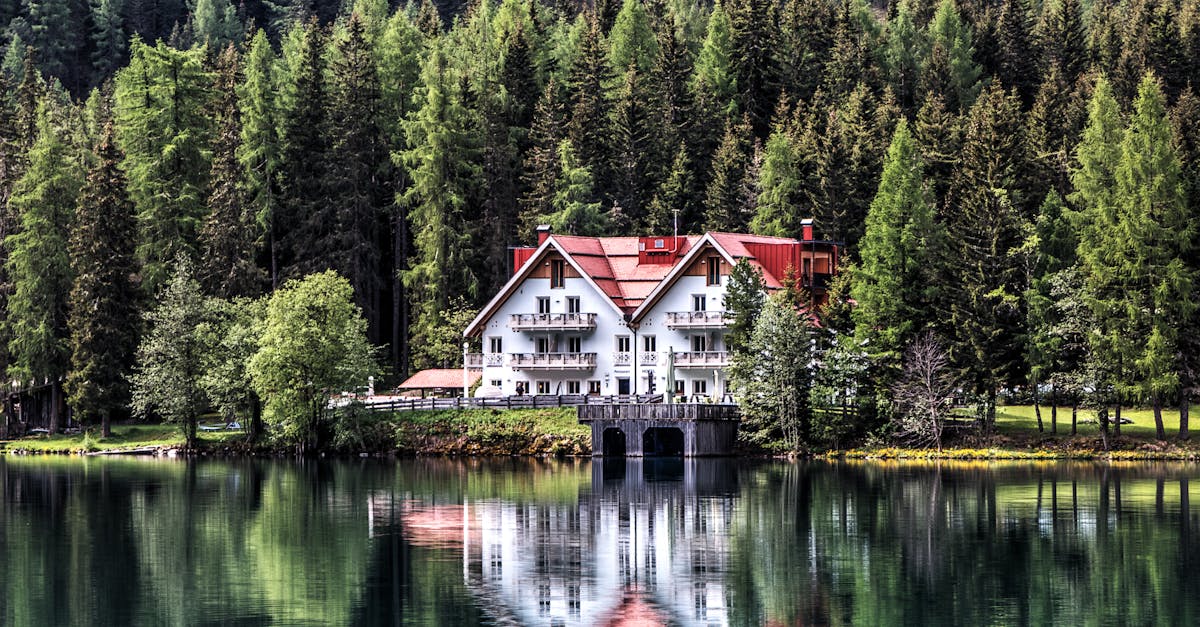
The essential elements of a successful miniature forest garden are:
- Soil composition: The soil in your miniature forest garden should be well-draining and rich in organic matter. You can purchase a pre-mixed potting soil that is designed for container gardening, or you can make your own by mixing together compost, peat moss, and perlite.
- Water management: Miniature forest gardens need to be watered regularly, but it is important to avoid overwatering. The best way to water your garden is to check the soil moisture level before watering. If the soil is dry to the touch, then it is time to water. You should water your garden until the water drains out of the bottom of the container.
- Plant selection: When selecting plants for your miniature forest garden, it is important to choose plants that are compatible with each other and that are suited to the growing conditions in your area. You should also consider the size of your garden and the amount of sunlight that it receives. Some good choices for miniature forest gardens include ferns, mosses, succulents, and small shrubs.
Once you have chosen the plants for your miniature forest garden, you need to arrange them in a way that creates a natural ecosystem. You should place taller plants in the back of the garden and shorter plants in the front. You should also group plants together that have similar water and light requirements.
With proper care and maintenance, your miniature forest garden will thrive and provide you with years of enjoyment.
3. Selecting Plants for Your Balcony Forest Garden
When selecting plants for your miniature forest garden, there are a few key factors to consider:
- Light availability: The amount of sunlight that your balcony receives will determine which plants you can grow. If your balcony is in a shaded area, you will need to choose plants that can tolerate low light conditions. Some good choices for low-light miniature forest gardens include ferns, mosses, and impatiens.
- Companion planting: Companion planting is the practice of planting different species of plants together that benefit each other. For example, you can plant nitrogen-fixing plants, such as beans and peas, next to heavy feeders, such as tomatoes and peppers. This will help to improve the growth of both plants.
- Biodiversity: It is important to choose a variety of plants for your miniature forest garden in order to attract a variety of wildlife. Some good choices for attracting birds and bees include flowering plants, such as daisies and sunflowers. You can also plant herbs, such as basil and mint, to attract butterflies.
Once you have considered these factors, you can start to choose the plants for your miniature forest garden. Here are a few suggestions:
- Ferns: Ferns are a great choice for miniature forest gardens because they are tolerant of low light conditions and they help to create a humid environment.
- Mosses: Mosses are another good choice for miniature forest gardens because they are low-maintenance and they can help to prevent erosion.
- Succulents: Succulents are a good choice for miniature forest gardens because they are drought-tolerant and they can add a touch of color to your garden.
- Small shrubs: Small shrubs can add height and structure to your miniature forest garden. Some good choices for small shrubs include azaleas, boxwoods, and hydrangeas.
With a little planning, you can create a miniature forest garden that is both beautiful and beneficial.
Vertical Gardening Techniques
Vertical gardening is a great way to maximize space and create a lush green wall on your balcony. There are a number of different vertical gardening techniques that you can use, such as:
- Trellises: Trellises are a simple and inexpensive way to add vertical space to your garden. You can purchase trellises made from a variety of materials, such as wood, metal, or plastic. Trellises can be attached to walls, fences, or even the side of your balcony railing.
- Hanging planters: Hanging planters are another great way to add vertical space to your garden. Hanging planters can be hung from the ceiling, walls, or even from the branches of trees. Hanging planters are available in a variety of sizes and styles, so you can find ones that fit your space and décor.
- Vertical gardens: Vertical gardens are a great way to create a living wall on your balcony. Vertical gardens are typically made from a frame that is covered with a fabric or mesh material. Plants are then planted in the fabric or mesh material. Vertical gardens can be purchased pre-made, or you can build your own.
When choosing plants for your vertical garden, it is important to consider the amount of sunlight that your balcony receives. If your balcony is in a shaded area, you will need to choose plants that can tolerate low light conditions. Some good choices for low-light vertical gardens include ferns, mosses, and impatiens.
Once you have chosen your plants, you need to arrange them in a way that creates a visually appealing display. You can group plants together by color, size, or texture. You can also create a living wall by planting a variety of plants together. With a little creativity, you can create a vertical garden that is both beautiful and functional.
Best Plants for Balcony Forest Gardens
When choosing plants for your balcony forest garden, it is important to select species that are well-suited to the growing conditions on your balcony. Some of the best plants for balcony forest gardens include:
- Ferns: Ferns are a great choice for balcony forest gardens because they are tolerant of low light conditions and they help to create a humid environment. Some good choices for balcony forest gardens include maidenhair ferns, Boston ferns, and bird’s nest ferns.
- Mosses: Mosses are another good choice for balcony forest gardens because they are low-maintenance and they can help to prevent erosion. Some good choices for balcony forest gardens include sheet moss, sphagnum moss, and pillow moss.
- Succulents: Succulents are a good choice for balcony forest gardens because they are drought-tolerant and they can add a touch of color to your garden. Some good choices for balcony forest gardens include aloe vera, echeveria, and sedum.
- Small shrubs: Small shrubs can add height and structure to your balcony forest garden. Some good choices for small shrubs include azaleas, boxwoods, and hydrangeas.
- Vines: Vines can add a touch of elegance to your balcony forest garden. Some good choices for balcony forest gardens include ivy, clematis, and jasmine.
When choosing plants for your balcony forest garden, it is also important to consider the size of your garden and the amount of sunlight that it receives. If your balcony is small, you will need to choose plants that are relatively small in size. If your balcony is in a shaded area, you will need to choose plants that can tolerate low light conditions.
With a little planning, you can create a balcony forest garden that is both beautiful and beneficial.
4. Maintenance and Care for Your Balcony Forest Garden
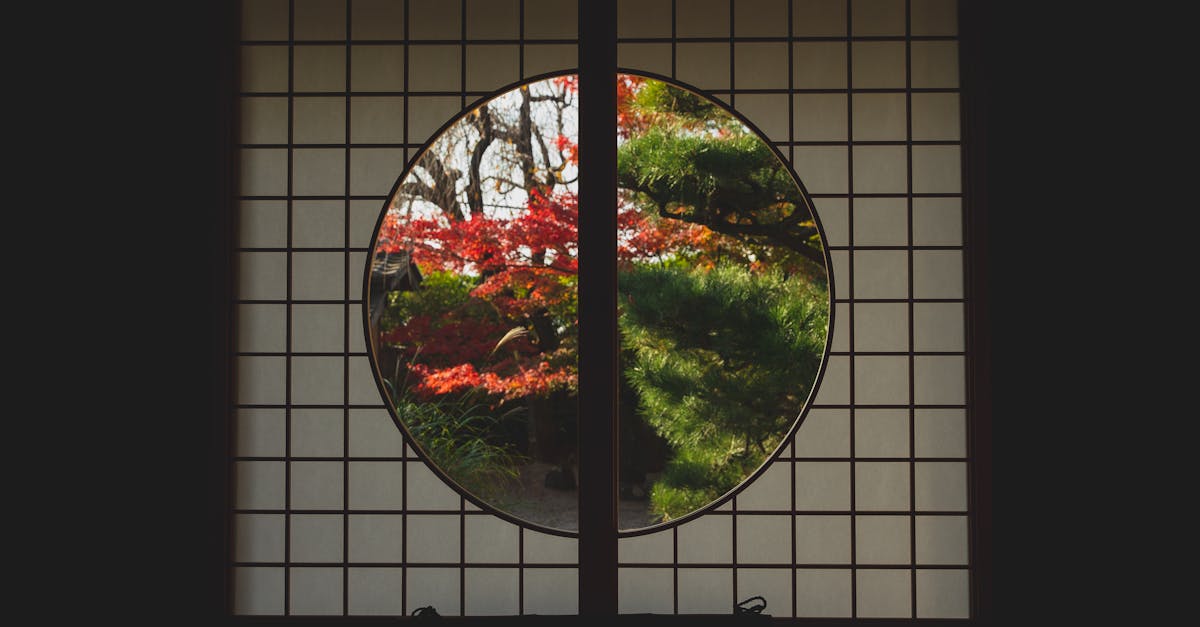
Maintaining a healthy and thriving miniature forest garden is relatively simple, but there are a few things you need to do to ensure that your plants are getting the care they need. Here are a few tips:
- Watering: Miniature forest gardens need to be watered regularly, but it is important to avoid overwatering. The best way to water your garden is to check the soil moisture level before watering. If the soil is dry to the touch, then it is time to water. You should water your garden until the water drains out of the bottom of the container.
- Pruning: Pruning is an important part of maintaining a healthy miniature forest garden. Pruning helps to remove dead or diseased leaves and stems, and it also helps to promote new growth. You should prune your plants regularly, but be careful not to over-prune. Over-pruning can damage your plants.
- Pest management: Pests can be a problem for miniature forest gardens, but there are a few things you can do to prevent and control them. One of the best ways to prevent pests is to keep your garden clean and free of debris. You should also inspect your plants regularly for signs of pests. If you find any pests, you can remove them by hand or you can use a natural pest control method.
With proper care and maintenance, your miniature forest garden will thrive and provide you with years of enjoyment.
Watering and Fertilization
Watering and fertilization are two important aspects of miniature forest garden care. Here are a few tips to help you keep your plants healthy and thriving:
Watering:
- Miniature forest gardens need to be watered regularly, but it is important to avoid overwatering. The best way to water your garden is to check the soil moisture level before watering. If the soil is dry to the touch, then it is time to water. You should water your garden until the water drains out of the bottom of the container.
- The frequency of watering will vary depending on the size of your garden, the type of plants you are growing, and the climate in your area. As a general rule, you should water your garden every 1-2 weeks during the growing season.
- During the winter months, you can reduce the frequency of watering to once a month or less.
Fertilization:
- Miniature forest gardens need to be fertilized regularly to ensure that they have the nutrients they need to grow and thrive. You can use a balanced liquid fertilizer or a slow-release granular fertilizer. Follow the instructions on the fertilizer package for the best results.
- You should fertilize your garden every 2-3 months during the growing season.
- During the winter months, you can reduce the frequency of fertilization to once every 3-4 months.
By following these tips, you can help to ensure that your miniature forest garden is healthy and thriving.
Pruning and Pest Control
Pruning and pest control are two important aspects of miniature forest garden care. Here are a few tips to help you keep your plants healthy and thriving:
Pruning:
- Pruning is the process of removing dead, diseased, or damaged leaves and stems from your plants. Pruning helps to promote new growth and can also help to improve the overall health of your plants.
- You should prune your plants regularly, but be careful not to over-prune. Over-pruning can damage your plants.
- When pruning, use sharp, clean shears to make clean cuts.
- You can use the following techniques to prune your plants:
- Tip pruning: This involves removing the tips of stems to encourage new growth.
- Thinning: This involves removing entire branches or stems to improve air circulation and light penetration.
- Deadheading: This involves removing spent flowers to encourage new blooms.
Pest control:
- Pests can be a problem for miniature forest gardens, but there are a few things you can do to prevent and control them.
- One of the best ways to prevent pests is to keep your garden clean and free of debris. You should also inspect your plants regularly for signs of pests.
- If you find any pests, you can remove them by hand or you can use a natural pest control method.
- There are a number of natural pest control methods that you can use, such as:
- Companion planting: This involves planting certain plants together that help to repel pests.
- Beneficial insects: This involves attracting beneficial insects to your garden that will prey on pests.
- Organic pesticides: These are pesticides that are made from natural ingredients and are less harmful to the environment than synthetic pesticides.
By following these tips, you can help to keep your miniature forest garden healthy and thriving.
5. Benefits of a Balcony Forest Garden
Creating a miniature forest garden on your balcony can have a number of transformative benefits, including:
- Improved air quality: Plants help to remove pollutants from the air, and a miniature forest garden can help to improve the air quality in your home or office.
- Increased biodiversity: Miniature forest gardens attract a variety of wildlife, such as birds, bees, and butterflies. This can help to increase biodiversity in your area.
- Enhanced mental well-being: Studies have shown that spending time in nature can reduce stress and improve mood. A miniature forest garden can bring the benefits of nature into your home, even if you don’t have access to a large outdoor space.
- Increased sense of connection with nature: Creating and caring for a miniature forest garden can help you to develop a deeper connection with nature.
- Educational opportunities: Miniature forest gardens can be a great way to teach children about the importance of nature and the environment.
In addition to these benefits, miniature forest gardens can also be a beautiful and enjoyable addition to your balcony. They can create a sense of peace and tranquility, and they can be a great place to relax and unwind.
If you are thinking about creating a miniature forest garden on your balcony, there are a few things you need to keep in mind. First, you need to make sure that your balcony is large enough to accommodate a garden. You also need to make sure that your balcony receives enough sunlight. Finally, you need to choose the right plants for your garden. With a little planning, you can create a beautiful and beneficial miniature forest garden that you will enjoy for years to come.
Improved Air Quality
Miniature forest gardens can contribute to cleaner air by removing pollutants and creating a healthier living environment. Plants absorb carbon dioxide and release oxygen through photosynthesis, which helps to improve air quality. In addition, plants can also help to remove other pollutants from the air, such as particulate matter, ozone, and nitrogen dioxide. These pollutants can be harmful to human health, and exposure to them can lead to respiratory problems, heart disease, and other health issues.
A study conducted by the University of Washington found that miniature forest gardens can remove up to 20% of the particulate matter from the air. Particulate matter is a type of air pollution that is made up of small particles of dust, smoke, and other materials. These particles can be harmful to human health, and exposure to them can lead to respiratory problems and other health issues.
Another study conducted by the University of California, Berkeley found that miniature forest gardens can remove up to 30% of the ozone from the air. Ozone is a type of air pollution that is created when sunlight reacts with other pollutants in the air. Ozone can be harmful to human health, and exposure to it can lead to respiratory problems, heart disease, and other health issues.
Miniature forest gardens are a simple and effective way to improve air quality and create a healthier living environment. They are a great addition to any home or office, and they can be enjoyed by people of all ages.
Increased Biodiversity
Miniature forest gardens can play a vital role in promoting biodiversity on your balcony. They provide a habitat for a variety of wildlife, including birds, bees, butterflies, and other insects. These animals are attracted to the food, shelter, and water that miniature forest gardens provide.
Birds are particularly attracted to the berries and fruits that many plants in miniature forest gardens produce. Bees and butterflies are attracted to the nectar and pollen that flowers in miniature forest gardens provide. Other insects, such as ladybugs and lacewings, are attracted to the pests that can be found in miniature forest gardens. These insects help to control pests and keep the garden healthy.
The presence of wildlife in your miniature forest garden can have a number of benefits. Birds help to control pests and can also be a source of entertainment. Bees and butterflies help to pollinate plants, which can lead to increased fruit and vegetable production. Other insects, such as ladybugs and lacewings, help to control pests and keep the garden healthy.
In addition to providing a habitat for wildlife, miniature forest gardens can also help to create a more sustainable ecosystem on your balcony. The plants in your garden will help to filter the air and water, and they will also provide oxygen. The wildlife that you attract to your garden will help to control pests and pollinate plants. This can create a more balanced and sustainable ecosystem that is beneficial to both you and the environment.
Enhanced Mental Well-being
Spending time in nature has been shown to have a number of therapeutic benefits, including reducing stress and improving mood. Miniature forest gardening can be a great way to connect with nature, even if you don’t have access to a large outdoor space. The act of caring for plants and watching them grow can be very calming and rewarding. In addition, the presence of plants in your home or office can help to create a more relaxing and inviting atmosphere.
A study conducted by the University of Exeter found that people who spent time in a miniature forest garden had lower levels of stress and anxiety than those who spent time in a control group. The study also found that people who spent time in a miniature forest garden had higher levels of positive emotions, such as happiness and contentment.
Another study conducted by the University of Washington found that people who cared for plants in a miniature forest garden had lower levels of depression and loneliness. The study also found that people who cared for plants in a miniature forest garden had higher levels of self-esteem and life satisfaction.
Miniature forest gardening is a simple and effective way to improve your mental well-being. It is a great way to connect with nature, reduce stress, and improve your mood. If you are looking for a way to improve your mental health, I encourage you to give miniature forest gardening a try.
Quiz
- What is a miniature forest garden?
(a) A small ecosystem that mimics a natural forest (b) A garden that is planted in a container (c) A garden that is designed to attract wildlife (d) All of the above
- What are some of the benefits of creating a miniature forest garden?
(a) Improved air quality (b) Increased biodiversity (c) Enhanced mental well-being (d) All of the above 3. What are some of the essential elements of a miniature forest garden? (a) Soil composition (b) Water management (c) Plant selection (d) All of the above 4. What are some tips for selecting plants for your miniature forest garden? (a) Consider light availability (b) Practice companion planting (c) Choose plants that are beneficial to wildlife (d) All of the above 5. How often should you water your miniature forest garden? (a) Every day (b) Once a week (c) When the soil is dry to the touch (d) As needed
Answer Key
- (d) All of the above
- (d) All of the above
- (d) All of the above
- (d) All of the above
- (c) When the soil is dry to the touch
Unleashing the Potential of Smart Garden Technology for Balcony Gardening With the rise of smart technology, balcony gardening has become Read more
Enhancing Balcony Living with Fruitful Delights: A Guide to Cultivating Dwarf Fruit Trees in Urban Spaces Unveiling the Enchanting World Read more
Organic Solutions for Thriving Balcony Gardens Organic Fertilizers for Balcony Gardens: A Comprehensive Guide. Balcony gardening has become increasingly popular Read more
Unlocking the Potential of Balcony Gardening: Innovative Techniques for Flourishing Greenery in Urban Spaces Balcony gardening has become increasingly popular Read more