
The Art of Pruning Dense Plant Arrangements: A Guide to Maintaining Health and Beauty
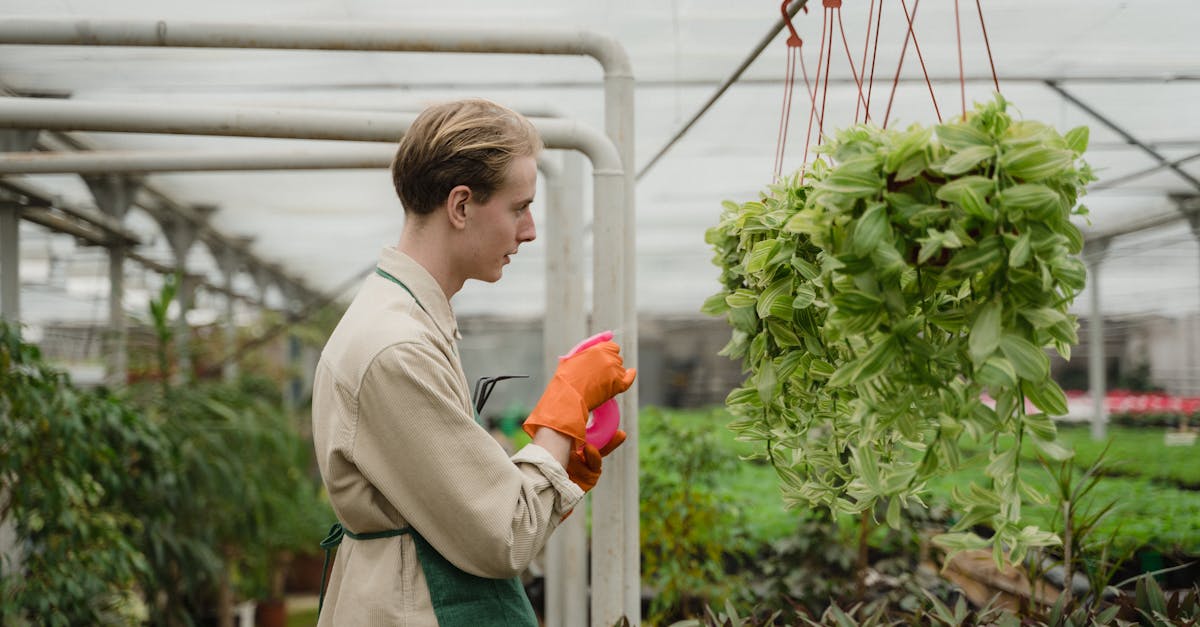
From sprawling shrubs to towering trees, dense plant arrangements add a touch of exuberance to any landscape. However, maintaining their health and aesthetics requires a keen understanding of pruning techniques. In this comprehensive guide, we delve into the intricacies of pruning dense plant arrangements, empowering you with the knowledge and tools to cultivate thriving, visually pleasing outdoor spaces.
Pruning not only enhances the visual appeal of your dense plantings but also promotes their overall health and well-being. By selectively removing excess growth, you can improve air circulation, reduce the risk of diseases, and stimulate vigorous new growth. Additionally, proper pruning techniques can influence the size, shape, and yield of your plants, maximizing their ornamental value and productivity.
Throughout this guide, we will explore the fundamentals of pruning, introduce specific techniques tailored for dense plant arrangements, discuss the benefits and challenges associated with pruning, and provide essential tips and resources to ensure successful outcomes. Whether you’re a seasoned gardener or just starting your horticultural journey, this article will equip you with the knowledge and confidence to master the art of pruning dense plant arrangements.
1. Understanding Pruning Basics
Understanding Pruning Basics: Introducing the fundamentals of pruning, including its benefits, types, and timing considerations.
Pruning, a fundamental horticultural practice, involves the selective removal of plant parts to enhance their health, growth, and appearance. It offers numerous benefits, including improved air circulation, reduced risk of disease, stimulation of new growth, and control over plant size and shape. Pruning can also increase fruit and flower production, enhance the aesthetics of your landscape, and even rejuvenate overgrown or neglected plants.
There are several types of pruning, each with its unique purpose and application. Thinning removes excess stems to improve air circulation and light penetration. Heading back involves cutting stems to a desired length to control plant size and encourage new growth. Renewal pruning is a more drastic technique used to rejuvenate overgrown or neglected plants by removing older, unproductive stems. The timing of pruning is crucial and varies depending on the plant species and climate conditions. Generally, pruning is best done during the dormant season, when plants are less actively growing. However, some plants, such as roses and fruit trees, may require specific pruning times to maximize their performance.
Understanding the basics of pruning, including its benefits, types, and timing considerations, is essential for maintaining healthy,美しい, and productive plants. By carefully selecting the appropriate pruning technique and timing it correctly, you can harness the power of pruning to transform your landscape and enjoy the many benefits it offers.
Types of Pruning
Types of Pruning: Exploring different pruning methods such as thinning, heading, and renewal pruning.
Pruning is a versatile horticultural technique with various methods, each tailored to specific purposes and plant types. Thinning, heading back, and renewal pruning are three commonly used pruning methods. Thinning involves selectively removing entire stems or branches to improve air circulation and light penetration within the plant. This technique is often used to open up dense shrubs or trees, reduce the risk of disease, and promote more vigorous growth. Heading back, on the other hand, focuses on cutting stems to a desired length. It is commonly used to control the size and shape of plants, encourage bushier growth, and stimulate the production of new shoots and flowers. Renewal pruning is a more drastic technique used to rejuvenate overgrown or neglected plants. It involves removing older, unproductive stems to make way for new growth. This method is often used on shrubs and small trees to restore their vigor and improve their appearance.
Understanding the different types of pruning and their applications is essential for effective plant care. By carefully selecting the appropriate pruning technique for your specific plant and purpose, you can optimize its health, growth, and productivity. Whether you’re looking to improve air circulation, control plant size, or rejuvenate an overgrown specimen, there is a pruning method that will meet your needs.
In addition to thinning, heading back, and renewal pruning, there are other specialized pruning techniques used for specific purposes and plant types. These include espalier, topiary, and pollarding. Espalier is a technique used to train fruit trees to grow flat against a wall or trellis. Topiary involves shaping shrubs or small trees into intricate and ornamental forms. Pollarding is a technique used to maintain large trees at a manageable size by repeatedly cutting back their branches to stubs.
Optimal Timing for Pruning
Optimal Timing for Pruning: Identifying the best time of year to prune based on plant species and climate conditions.
The timing of pruning is crucial for the health and productivity of your plants. Different plant species and climate conditions require specific pruning times to optimize their growth and performance. Generally, pruning is best done during the dormant season, when plants are less actively growing. This allows them to focus their energy on healing and recovering from the pruning cuts. In temperate climates, the dormant season typically occurs during the late fall or early winter, when temperatures are cool and there is less risk of disease. However, some plants, such as roses and fruit trees, may require specific pruning times to maximize their performance. For example, roses are typically pruned in late winter or early spring, before new growth begins. Fruit trees, on the other hand, are often pruned in the summer after they have finished fruiting.
In warmer climates, where plants may not experience a distinct dormant season, pruning can be done throughout the year. However, it is generally best to avoid pruning during periods of extreme heat or cold. When pruning during the growing season, it is important to water your plants well and to make clean cuts to minimize the risk of disease. It is also important to consider the specific growth habits and flowering times of your plants when determining the optimal pruning time. Pruning at the wrong time can disrupt their natural growth cycle and reduce their productivity.
Understanding the optimal timing for pruning based on plant species and climate conditions is essential for maintaining healthy and productive plants. By carefully selecting the appropriate pruning time, you can minimize stress to your plants, promote vigorous growth, and maximize their ornamental value and yield.
2. Techniques for Dense Plant Arrangements
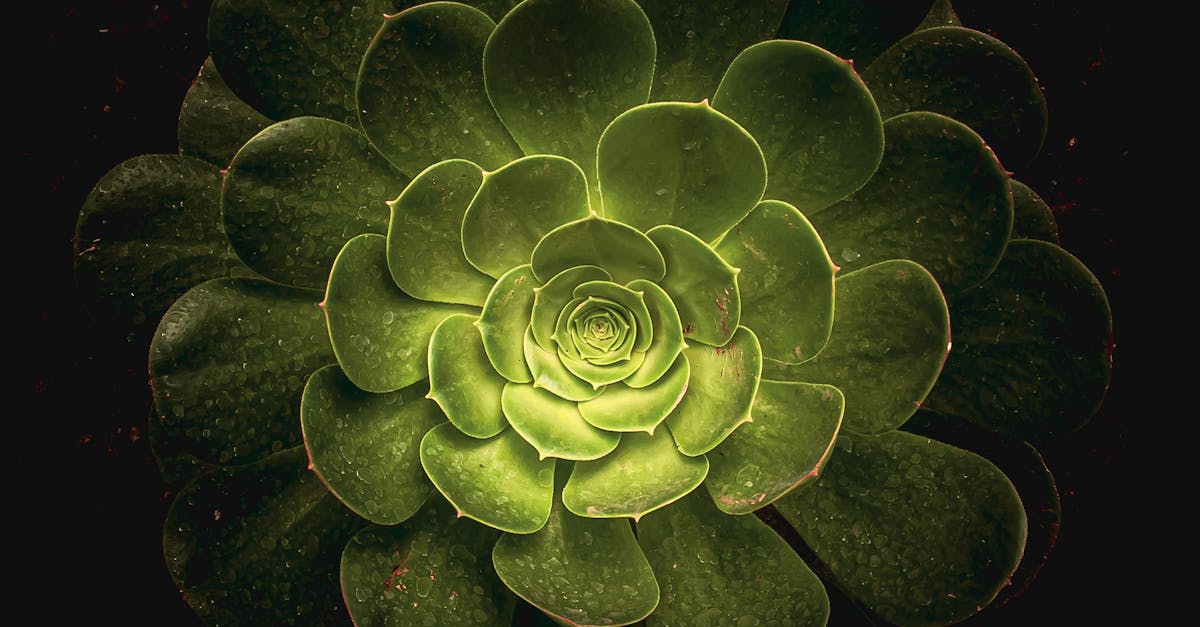
Techniques for Dense Plant Arrangements: Delving into specific pruning techniques tailored for dense plant arrangements.
Pruning dense plant arrangements requires specific techniques to maintain their health and beauty. Thinning is a key technique that involves selectively removing stems or branches to improve air circulation and light penetration. This helps to reduce overcrowding, prevent disease, and promote more vigorous growth. To thin a dense plant arrangement, start by removing any dead, diseased, or crossing branches. Then, select a few healthy stems to remove, focusing on those that are growing inward or rubbing against other branches. Avoid removing too many stems at once, as this can shock the plant. Heading back is another useful technique for controlling the size and shape of dense plant arrangements. This involves cutting stems back to a desired length, which encourages the growth of new shoots and flowers. When heading back, make clean cuts just above a bud or leaf node, and avoid cutting into old wood. Renewal pruning is a more drastic technique that can be used to rejuvenate overgrown or neglected dense plant arrangements. It involves removing older, unproductive stems to make way for new growth. When renewal pruning, cut back stems to the ground or to a lateral branch, and be sure to remove any suckers or water sprouts that may be growing from the base of the plant.
By combining these pruning techniques and tailoring them to the specific needs of your dense plant arrangements, you can maintain their health, vigor, and beauty for years to come.
Thinning
Thinning: Explaining the concept of thinning to remove excess stems and improve air circulation.
Thinning is a pruning technique that involves selectively removing stems or branches from a plant to improve air circulation and light penetration. It is commonly used on dense plant arrangements, such as hedges, shrubs, and small trees, to promote healthier growth and prevent disease. Thinning helps to open up the plant’s canopy, allowing for better air flow and sunlight distribution, which reduces the risk of fungal diseases and pests. It also encourages the growth of new, more vigorous shoots and flowers, resulting in a healthier and more aesthetically pleasing plant.
To thin a plant, start by removing any dead, diseased, or crossing branches. Then, select a few healthy stems to remove, focusing on those that are growing inward or rubbing against other branches. Avoid removing too many stems at once, as this can shock the plant. Use sharp pruning shears or loppers to make clean cuts just above a bud or leaf node. When thinning a dense plant arrangement, it is important to maintain the plant’s natural shape and size. Remove stems evenly throughout the plant, and avoid creating large holes or gaps in the canopy. By thinning your dense plant arrangements regularly, you can improve their health, vigor, and appearance.
Thinning is a relatively simple pruning technique that can have a significant impact on the health and beauty of your plants. By removing excess stems and improving air circulation, you can create a more favorable environment for growth and reduce the risk of disease. With proper thinning techniques, you can maintain healthy,美しい, and productive dense plant arrangements for years to come.
Heading Back
Heading Back: Describing the technique of heading back to control plant size and encourage new growth.
Heading back is a pruning technique that involves cutting stems back to a desired length to control the size and shape of a plant. It is commonly used on shrubs, hedges, and small trees to promote bushier growth, encourage the production of flowers and fruit, and maintain a specific size or shape. Heading back also helps to rejuvenate overgrown or neglected plants by stimulating the growth of new shoots and branches.
To head back a plant, use sharp pruning shears or loppers to make clean cuts just above a bud or leaf node. The amount of stem you remove will depend on the desired size and shape of the plant. For light heading back, remove only a small portion of the stem, just above a few buds. For more severe heading back, you can cut the stems back by half or more. When heading back a plant, it is important to maintain its natural shape and size. Avoid cutting into old wood, as this can damage the plant and make it more susceptible to disease. Also, avoid cutting back too many stems at once, as this can shock the plant.
Heading back is a versatile pruning technique that can be used to achieve a variety of goals. By cutting stems back to a desired length, you can control the size and shape of your plants, encourage the production of flowers and fruit, and rejuvenate overgrown or neglected plants. With proper heading back techniques, you can maintain healthy,美しい, and productive plants for years to come.
Rejuvenation Pruning
Rejuvenation Pruning: Introducing rejuvenation pruning as a method to revitalize overgrown or neglected plants.
Rejuvenation pruning is a pruning technique that involves removing older, unproductive stems to make way for new growth. It is commonly used on overgrown or neglected plants to restore their vigor and beauty. Rejuvenation pruning can also be used to change the shape or size of a plant, or to encourage the production of flowers or fruit. When performing rejuvenation pruning, it is important to be patient, as it may take several years for the plant to fully recover. However, with proper care and attention, rejuvenation pruning can help to revitalize even the most neglected plants.
To rejuvenate a plant, start by removing any dead, diseased, or crossing branches. Then, select a few of the oldest, thickest stems to remove. Cut these stems back to the ground or to a lateral branch. Be sure to make clean cuts just above a bud or leaf node. Once you have removed the oldest stems, thin out the remaining stems to improve air circulation and light penetration. Remove any weak, spindly, or inward-growing stems. Finally, fertilize the plant and water it deeply. Rejuvenation pruning can be a stressful process for plants, so it is important to provide them with plenty of care and attention during the recovery period.
Rejuvenation pruning is a valuable technique that can help to revitalize overgrown or neglected plants. By removing older, unproductive stems, you can encourage the growth of new, healthy shoots and flowers. With proper care and attention, rejuvenation pruning can help to restore your plants to their former beauty and vigor.
3. Benefits of Pruning Dense Plantings
Benefits of Pruning Dense Plantings: Highlighting the advantages of regular pruning for dense plant arrangements.
Pruning dense plant arrangements offers numerous benefits, including improved plant health, enhanced aesthetics, and increased yield and quality. Regular pruning helps to improve air circulation and light penetration within the planting, which reduces the risk of disease and pests. Pruning also removes dead, diseased, or crossing branches, which can further improve the health of the plant. Additionally, pruning can be used to control the size and shape of dense plantings, making them more manageable and aesthetically pleasing.
Pruning dense plant arrangements can also lead to enhanced aesthetics. By removing excess growth and shaping the plants, you can create a more visually appealing landscape. Pruning can also encourage the production of flowers and fruit, adding color and interest to your garden. Furthermore, pruning can help to maintain the natural shape and size of plants, preventing them from becoming overgrown and unsightly.
In addition to improved health and aesthetics, pruning dense plant arrangements can also lead to increased yield and quality. By removing excess growth, you can improve the distribution of nutrients and sunlight to the remaining plants. This can result in larger, healthier flowers, fruits, and vegetables. Pruning can also help to control the size and shape of fruit trees, making them easier to harvest and maintain.
Improved Plant Health
Improved Plant Health: Explaining how pruning enhances plant vigor, disease resistance, and overall well-being.
Pruning is essential for maintaining plant health and vigor. By removing dead, diseased, or damaged branches, you can help to prevent the spread of disease and pests. Pruning also improves air circulation and light penetration within the plant, which can help to reduce the risk of fungal diseases. Additionally, pruning can stimulate the growth of new, healthy shoots and branches, which can improve the overall vigor and productivity of the plant.
Pruning can also help to improve the disease resistance of plants. By removing diseased or damaged branches, you can prevent the spread of disease to other parts of the plant. Pruning also helps to create a more open and airy canopy, which allows for better air circulation and reduces the humidity levels around the plant. This can make it more difficult for diseases to take hold and spread.
Overall, pruning is an important practice for maintaining plant health and vigor. By removing dead, diseased, or damaged branches, and by improving air circulation and light penetration, pruning can help to reduce the risk of disease, promote the growth of new, healthy shoots, and improve the overall well-being of your plants.
Enhanced Aesthetics
Enhanced Aesthetics: Describing how pruning improves the appearance of dense plantings, promoting symmetry and balance.
Pruning can greatly improve the appearance of dense plantings by promoting symmetry and balance. By removing excess growth and shaping the plants, you can create a more visually appealing landscape. Pruning can also help to control the size and shape of plants, making them more manageable and easier to maintain. Additionally, pruning can encourage the production of flowers and fruit, adding color and interest to your garden.
When pruning dense plantings, it is important to consider the natural shape and size of the plants. Pruning should be done in a way that complements the plant’s natural growth habit. Avoid pruning plants into unnatural or geometric shapes. Instead, focus on removing excess growth and shaping the plants to enhance their natural beauty.
Pruning can also be used to create specific effects in the landscape. For example, pruning can be used to create hedges, topiaries, and other ornamental shapes. When creating these types of structures, it is important to prune the plants regularly to maintain their desired shape and size.
Increased Yield and Quality
Increased Yield and Quality: Discussing how pruning can lead to higher yields and better quality in edible plants.
Pruning can help to increase the yield and quality of edible plants by improving air circulation and light penetration, which promotes fruit and vegetable production. Pruning also removes diseased or damaged branches, which can reduce the spread of disease and pests. Additionally, pruning can be used to control the size and shape of plants, making them easier to harvest and maintain.
When pruning edible plants, it is important to consider the plant’s natural growth habit and fruiting cycle. Pruning should be done in a way that does not damage the plant or reduce its ability to produce fruit. For example, pruning fruit trees should be done during the dormant season, when the trees are not actively growing. Pruning should also be done in a way that encourages the growth of new, fruiting wood.
Pruning can also be used to improve the quality of edible plants. By removing diseased or damaged branches, you can reduce the spread of disease and pests. Pruning can also be used to control the size and shape of fruit and vegetables, making them more appealing to consumers.
4. Common Challenges and Troubleshooting

Common Challenges and Troubleshooting: Addressing potential challenges and providing solutions for effective pruning outcomes.
Pruning can be a challenging task, especially for beginners. Here are some common challenges that you may encounter when pruning, along with some tips on how to troubleshoot them:
- Over-pruning: Over-pruning is one of the most common mistakes that pruning beginners make. It occurs when you remove too much growth from a plant, which can weaken the plant and make it more susceptible to disease and pests. To avoid over-pruning, it is important to research the specific pruning needs of your plants and to prune only as much as necessary.
- Incorrect pruning techniques: Using incorrect pruning techniques can also damage your plants. For example, pruning at the wrong time of year or using dull pruning tools can cause unnecessary stress to the plant. To avoid incorrect pruning techniques, it is important to learn the proper pruning techniques for your specific plants and to use sharp, clean pruning tools.
- Disease and pest problems: Pruning can sometimes spread disease or pests if the pruning tools are not properly sanitized. To avoid this, it is important to clean your pruning tools with a disinfectant solution before and after each use.
Over-Pruning
Over-Pruning: Identifying the signs of over-pruning and outlining strategies to avoid it.
Over-pruning is a common mistake that can damage plants and stunt their growth. It occurs when you remove too much growth from a plant, which can weaken the plant and make it more susceptible to disease and pests. Here are some signs that you may have over-pruned your plants:
- Thin, spindly growth: Over-pruned plants often have thin, spindly growth. This is because the plant is trying to compensate for the loss of foliage by producing new growth quickly. However, this new growth is often weak and susceptible to damage.
- Yellowing or brown leaves: Over-pruned plants may also have yellowing or brown leaves. This is because the plant is not able to produce enough chlorophyll, which is essential for photosynthesis. Without enough chlorophyll, the plant cannot produce the energy it needs to grow and thrive.
- Stunted growth: Over-pruned plants may also experience stunted growth. This is because the plant is not able to produce enough new growth to replace the growth that was removed. As a result, the plant may remain small and weak.
To avoid over-pruning, it is important to research the specific pruning needs of your plants and to prune only as much as necessary. It is also important to use sharp, clean pruning tools and to make clean cuts. Finally, it is important to avoid pruning your plants too often. Most plants only need to be pruned once or twice a year.
Incorrect Pruning Techniques
Incorrect Pruning Techniques: Common mistakes in pruning techniques and their impact on plant health.
Incorrect pruning techniques can damage plants and stunt their growth. Here are some common mistakes to avoid:
- Pruning at the wrong time of year: Pruning at the wrong time of year can damage plants and make them more susceptible to disease. For example, pruning most deciduous trees and shrubs in the spring or summer can remove flower buds and reduce flowering. It is generally best to prune these plants in the late winter or early spring, before new growth begins.
- Using dull pruning tools: Dull pruning tools can crush and tear plant stems, which can damage the plant and make it more susceptible to disease. Always use sharp, clean pruning tools to make clean cuts.
- Making improper cuts: Improper cuts can damage plants and make them more susceptible to disease. Always make clean cuts at a 45-degree angle, just above a bud or leaf node.
- Removing too much growth: Removing too much growth from a plant can weaken the plant and make it more susceptible to disease and pests. When pruning, only remove as much growth as necessary to achieve your desired results.
- Topping trees: Topping trees is a severe pruning practice that involves cutting back the main trunk or branches to a stub. This practice can damage trees and make them more susceptible to disease and pests. Avoid topping trees whenever possible.
Disease and Pest Management
Disease and Pest Management: Discussing how proper pruning techniques can help prevent the spread of diseases and pests.
Proper pruning techniques can help to prevent the spread of diseases and pests in several ways. First, pruning can help to improve air circulation and light penetration within the plant canopy. This can help to reduce the humidity levels around the plant, which can make it less conducive to the growth of fungal diseases. Additionally, pruning can help to remove diseased or damaged branches, which can help to prevent the spread of disease to other parts of the plant. Finally, pruning can help to promote the growth of new, healthy shoots and branches, which can help to make the plant more resistant to pests and diseases.
Here are some specific examples of how proper pruning techniques can help to prevent the spread of diseases and pests:
- Pruning can help to prevent the spread of powdery mildew by improving air circulation and reducing humidity levels around the plant.
- Pruning can help to prevent the spread of black spot on roses by removing infected leaves and stems.
- Pruning can help to prevent the spread of aphids by removing infested branches and encouraging the growth of new, healthy shoots.
Overall, proper pruning techniques are an important part of integrated pest management (IPM) programs. By pruning your plants correctly, you can help to keep them healthy and free from diseases and pests. IPM programs combine a variety of methods to control pests and diseases, including cultural practices, biological control, and chemical control.
5. Tools and Resources
Tools and Resources: Providing a list of essential tools and resources for successful pruning.
Having the right tools and resources can make pruning easier and more effective. Here is a list of essential items:
- Pruning shears: Pruning shears are the most basic and essential tool for pruning. They are used to make small, precise cuts on branches and stems. Look for pruning shears that are sharp and durable, and that fit comfortably in your hand.
- Loppers: Loppers are used to make larger cuts on branches and stems. They are similar to pruning shears, but they have longer handles and larger blades. Loppers are ideal for pruning thick or woody branches.
- Pruning saw: A pruning saw is used to make large cuts on branches and stems that are too thick for pruning shears or loppers. Pruning saws come in a variety of sizes and shapes, so choose one that is appropriate for the size of the branches you will be pruning.
- Goggles: Goggles are important for protecting your eyes from flying wood chips and debris when pruning. Choose goggles that are comfortable to wear and that provide good protection.
- Gloves: Gloves are important for protecting your hands from thorns and sharp branches when pruning. Choose gloves that are made of durable material and that fit snugly.
In addition to these essential tools, there are a number of other resources that can be helpful for pruning, such as:
- Pruning books and articles: There are many books and articles available that can provide you with information on pruning techniques, timing, and safety. These resources can be helpful for learning how to prune different types of plants and for troubleshooting problems.
- Online pruning videos: There are also many online videos that can provide you with visual demonstrations of pruning techniques. These videos can be helpful for learning how to prune specific types of plants and for seeing how pruning is done in practice.
- Pruning workshops: Pruning workshops are a great way to learn about pruning from experienced professionals. These workshops typically cover a variety of topics, such as pruning techniques, timing, and safety. Pruning workshops are often offered by local garden centers and botanical gardens.
Essential Pruning Tools
Essential Pruning Tools: Describing the types of tools needed for different pruning tasks.
The type of pruning tool you need will depend on the size and type of branches you are pruning. Here is a brief description of the most common pruning tools:
- Pruning shears: Pruning shears are the most basic and essential tool for pruning. They are used to make small, precise cuts on branches and stems. Pruning shears come in a variety of sizes and shapes, so choose a pair that is comfortable to hold and that is appropriate for the size of the branches you will be pruning.
- Loppers: Loppers are used to make larger cuts on branches and stems. They are similar to pruning shears, but they have longer handles and larger blades. Loppers are ideal for pruning thick or woody branches.
- Pruning saw: A pruning saw is used to make large cuts on branches and stems that are too thick for pruning shears or loppers. Pruning saws come in a variety of sizes and shapes, so choose one that is appropriate for the size of the branches you will be pruning.
- Hedge trimmers: Hedge trimmers are used to trim hedges and other dense growth. They have long, sharp blades that can quickly and easily cut through branches and stems. Hedge trimmers come in a variety of sizes and shapes, so choose a pair that is appropriate for the size of the hedge you will be trimming.
- Pole pruners: Pole pruners are used to prune branches that are high up in trees or other tall plants. They have long handles and sharp blades that can be extended to reach high branches. Pole pruners come in a variety of sizes and shapes, so choose one that is appropriate for the height of the branches you will be pruning.
Online Resources and Plant Databases
Online Resources and Plant Databases: Listing reputable websites and databases for additional information and plant-specific pruning advice.
In addition to books and articles, there are a number of reputable online resources and plant databases that can provide you with additional information on pruning techniques, timing, and safety. Here are a few of the most popular:
- The Royal Horticultural Society (RHS): The RHS is a leading gardening charity that provides a wealth of information on all aspects of gardening, including pruning. The RHS website has a dedicated section on pruning, which includes articles on pruning techniques, timing, and safety. The RHS also has a plant database that provides information on the specific pruning requirements of different plants.
- The American Horticultural Society (AHS): The AHS is a non-profit organization that promotes the art of gardening. The AHS website has a dedicated section on pruning, which includes articles on pruning techniques, timing, and safety. The AHS also has a plant database that provides information on the specific pruning requirements of different plants.
- The Cooperative Extension Service: The Cooperative Extension Service is a network of universities and colleges that provides research-based information on all aspects of agriculture and gardening. The Cooperative Extension Service website has a dedicated section on pruning, which includes articles on pruning techniques, timing, and safety. The Cooperative Extension Service also has a plant database that provides information on the specific pruning requirements of different plants.
Professional Arborists and Landscapers
Professional Arborists and Landscapers: Recommending consulting with professionals for complex pruning needs or challenging plant arrangements.
For complex pruning needs or challenging plant arrangements, it is often best to consult with a professional arborist or landscaper. Arborists are trained in the care and maintenance of trees, and they have the expertise to safely and effectively prune trees of all sizes and shapes. Landscapers are trained in the design and maintenance of landscapes, and they can help you to create a beautiful and functional landscape that meets your specific needs. Here are a few examples of when you might want to consult with a professional:
- If you have a large or mature tree that needs pruning. Large or mature trees can be dangerous to prune, and it is important to have a professional arborist do the job safely and correctly.
- If you have a tree that is diseased or damaged. Diseased or damaged trees can be a hazard, and it is important to have a professional arborist assess the tree and recommend the best course of action.
- If you have a challenging plant arrangement that you need to prune. Pruning can be tricky, and it is easy to make mistakes that can damage your plants. If you have a challenging plant arrangement, it is best to consult with a professional landscaper who can help you to create a pruning plan that will achieve your desired results.
Quiz
- Which of the following is NOT a type of pruning?
(a) Thinning (b) Heading back (c) Shearing (d) Renewal pruning
-
True or False: Pruning should only be done during the dormant season.
-
Which of the following is NOT a benefit of pruning dense plant arrangements?
(a) Improved plant health (b) Enhanced aesthetics (c) Increased yield and quality (d) Reduced susceptibility to pests and diseases
-
True or False: Over-pruning can weaken plants and make them more susceptible to disease.
-
Which of the following is NOT an essential pruning tool?
(a) Pruning shears (b) Loppers (c) Pruning saw (d) Hedge trimmer
Answer Key
- (c) Shearing
- False
- (d) Reduced susceptibility to pests and diseases
- True
- (d) Hedge trimmer
Answer Key
- (c) Shearing
- False
- (d) Reduced susceptibility to pests and diseases
- True
- (d) Hedge trimmer
Unleashing the Potential of Smart Garden Technology for Balcony Gardening With the rise of smart technology, balcony gardening has become Read more
Enhancing Balcony Living with Fruitful Delights: A Guide to Cultivating Dwarf Fruit Trees in Urban Spaces Unveiling the Enchanting World Read more
Organic Solutions for Thriving Balcony Gardens Organic Fertilizers for Balcony Gardens: A Comprehensive Guide. Balcony gardening has become increasingly popular Read more
Unlocking the Potential of Balcony Gardening: Innovative Techniques for Flourishing Greenery in Urban Spaces Balcony gardening has become increasingly popular Read more